Hitting, biting, lying & defiance
Biting at Nursery or Daycare: What Parents Can Do
By Raised Editorial · ·
That message from nursery lands like a verdict on your parenting. It is not one. Biting is a real safety problem and a common part of toddler development, and your child needs a plan rather than a label.
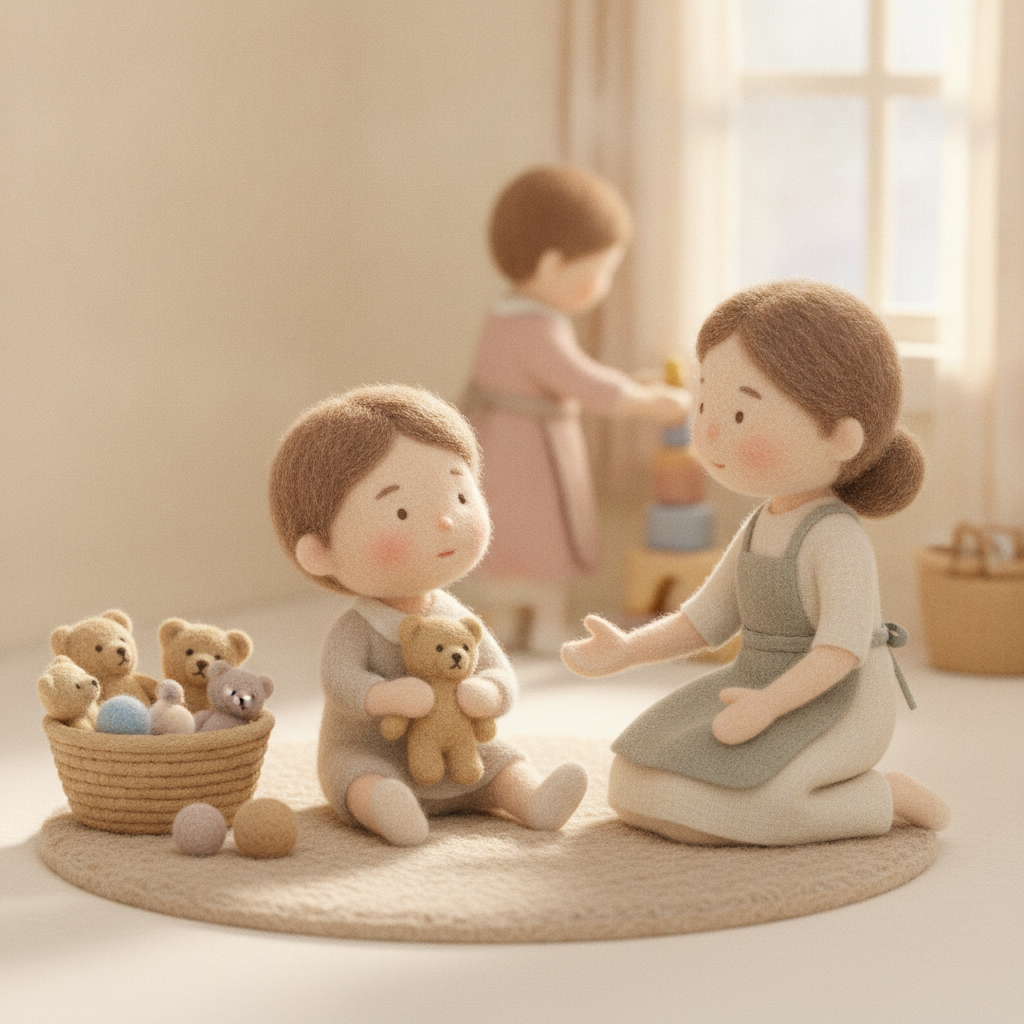
The message arrives: your toddler bit another child.
The shame can be immediate. You picture the other child, worry about what the staff think, and wonder whether your child is becoming aggressive.
Take a breath. Biting is a real safety problem, but it can also occur during normal toddler development. Your child needs a plan, not a label.
Why toddlers bite at daycare
Nursery brings toddlers close together with shared toys, noise, waiting, and fewer adults than at home. A child may bite because they are:
- Frustrated and unable to find the words
- Protecting a toy or their personal space
- Tired, hungry, crowded, or overwhelmed
- Teething or seeking oral sensation
- Curious about the reaction
The reason matters because prevention depends on the pattern. A child who bites during toy conflicts needs different support from one who bites when the room becomes noisy.
Work with the caregiver, not against them
Ask for the facts without turning the conversation into a trial:
- What happened just before the bite?
- Where and when did it happen?
- Was the same toy, child, or transition involved?
- What did the adults do afterwards?
Agree on one simple response at home and nursery:
"I won't let you bite. Biting hurts. Say stop or ask for help."
The child who was bitten needs comfort and any first aid straight away. Keep the response to your child brief, calm, and free of punishment, which does not teach self-control. The aim is to make sure biting is not the thing that summons all the adult attention in the room.
Teach when everyone is calm
Practise the replacement before it is needed. Use a toy or short role-play:
"The bear came too close. Can you say back up?"
For younger toddlers, teach a gesture for stop or help. Nursery staff may also be able to stay closer during predictable conflicts, offer duplicate popular toys, or redirect before the bite.
Avoid calling your child "a biter." It turns a behaviour into an identity and does not teach what to do instead.
When to ask for more help
Speak with your child's pediatrician, GP, health visitor, or nursery support team if biting is frequent, worsening, causing significant injuries, or not improving despite a consistent plan. Ask too if you have concerns about communication, development, sensory needs, or behaviour in several settings.
One nursery incident does not define your child. What matters is that the adults stay curious, consistent, and focused on safety while the missing skill is taught.
Related: Why Does My Toddler Hit When Angry?