Feeding
When to Start Solid Foods: Signs of Readiness
By Raised Editorial ·
Well-meaning relatives may tell you to put rice cereal in a 3-month-old's bottle to help them sleep. Here is why the clinical consensus now strictly advises waiting until 6 months, and the biological signs of readiness to look for.
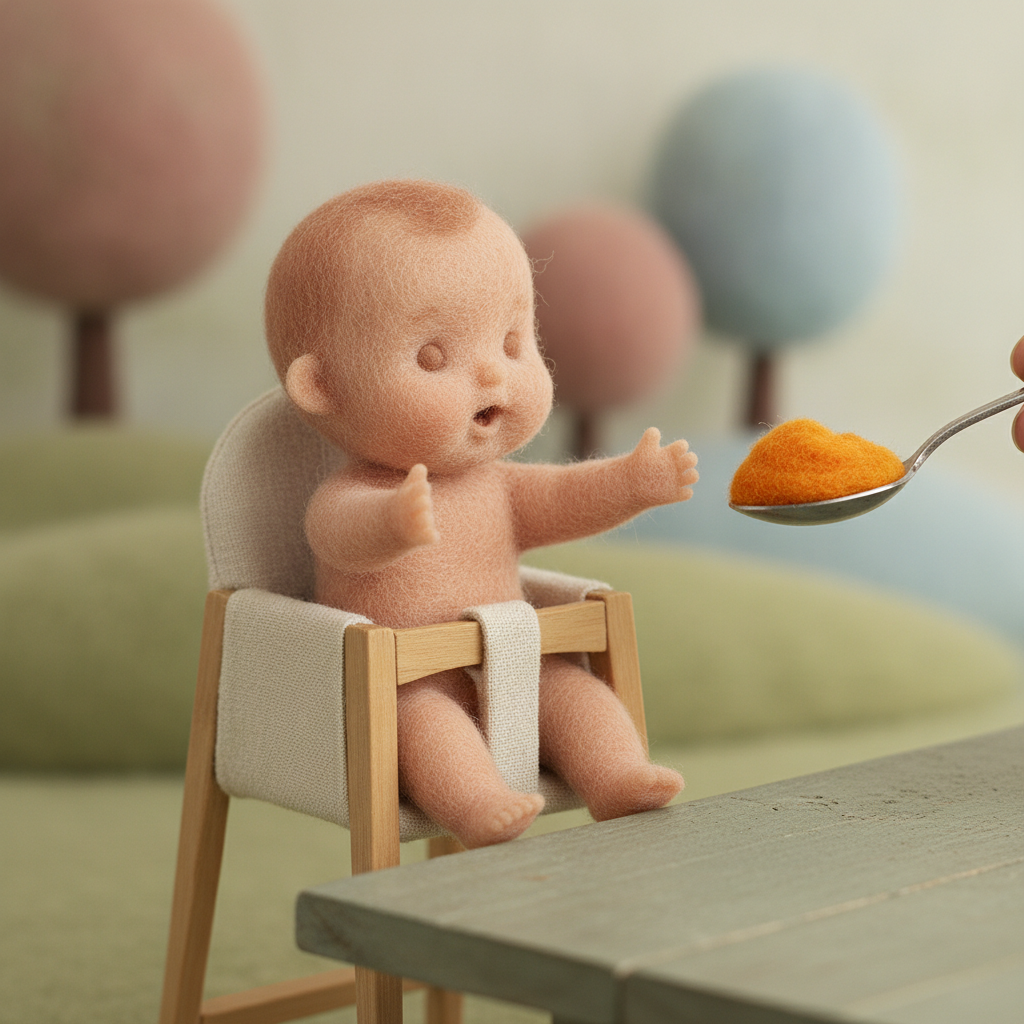
One of the most highly anticipated milestones of the first year is starting solid foods (weaning). It is exciting to watch your baby experience new flavors and textures.
However, the timeline for introducing solids is often a source of intense generational conflict. Well-meaning grandparents might advise you to start feeding rice cereal at 3 or 4 months old, often with the promise that it will "help the baby sleep through the night."
Modern pediatric science strongly disagrees. Today, the World Health Organization (WHO) and the American Academy of Pediatrics (AAP) unequivocally recommend exclusive breastfeeding (or formula feeding) for the first 6 months of life.
Starting solids too early is no longer viewed just as a feeding preference; it is a question of gastrointestinal safety. Here is the biological reason why we wait, and the developmental signs that indicate your baby is truly ready.
The Biology of the "Open Gut"
When a baby is born, their digestive system is immature. The spaces between the cells of the small intestine are relatively large. This is often referred to as an "open gut."
This open gut serves a crucial biological purpose: it allows the large, intact antibodies from breast milk to pass directly through the intestinal wall and into the baby's bloodstream, providing passive immunity.
However, because the gut is "open," it also means that if you introduce solid foods too early, large, undigested proteins (and potential pathogens) can easily slip through the intestinal wall and into the bloodstream. This can trigger an allergic response or cause gastrointestinal infections.
Around 6 months of age, a biological event occurs called "gut closure." The spaces between the intestinal cells close up and mature, creating a secure barrier that is finally capable of safely processing and filtering complex proteins from solid foods.
The Myth of Sleep and Solids
The most pervasive myth regarding early solids is that feeding a baby rice cereal will make them sleep longer.
Clinical studies have repeatedly debunked this. A baby's ability to sleep through the night is developmental and neurological; it is not solely based on how full their stomach is. In fact, feeding a 4-month-old solid food when their digestive tract is not ready often causes severe gas, constipation, and stomach cramps, leading to worse sleep.
The 3 Clinical Signs of Readiness
Age (6 months) is an important guideline, but babies develop at different rates. You should not start solids until your baby demonstrates all three of these developmental milestones simultaneously:
1. Independent Sitting (Core Strength)
To swallow food safely and prevent choking, a baby must have the core strength to sit upright in a highchair with minimal support. They must also have excellent head and neck control. If a baby is slouching or their head is bobbing, their airway is compromised, and they are not ready.
2. Loss of the Tongue-Thrust Reflex
Newborns have an innate survival reflex called the "extrusion reflex" (tongue-thrust). If anything solid touches their lips or tongue, they automatically push it out of their mouth to prevent choking. This reflex typically fades between 4 and 6 months. If you offer a spoon of puree and the baby immediately pushes it back out with their tongue, they are not being stubborn; their reflex is simply still active. Wait a week and try again.
3. Hand-to-Eye Coordination and Interest
The baby should be able to look at food, grab it, and accurately bring it to their mouth. Furthermore, they should show a keen, active interest in what you are eating, often reaching for your plate or mimicking your chewing motions.
What to Start With
When all three signs are present around the 6-month mark, you can begin.
Contrary to older advice, you do not have to start with bland rice cereal. You can start with pureed vegetables (like sweet potato or squash), pureed fruits (like avocado or banana), or iron-rich meats.
The goal of the first few months of solids is not to replace breast milk or formula (which remains their primary source of nutrition until age 1). The goal is purely sensory exploration, allergy exposure, and practicing the mechanical skill of chewing and swallowing.