Baby
When to Move From Crib to Bed: Timing and Safety
By Raised Editorial ·
Moving a toddler from a crib to a "big kid bed" is a major milestone, but doing it too early can ruin months of good sleep habits. Here is how to know when they are truly ready.
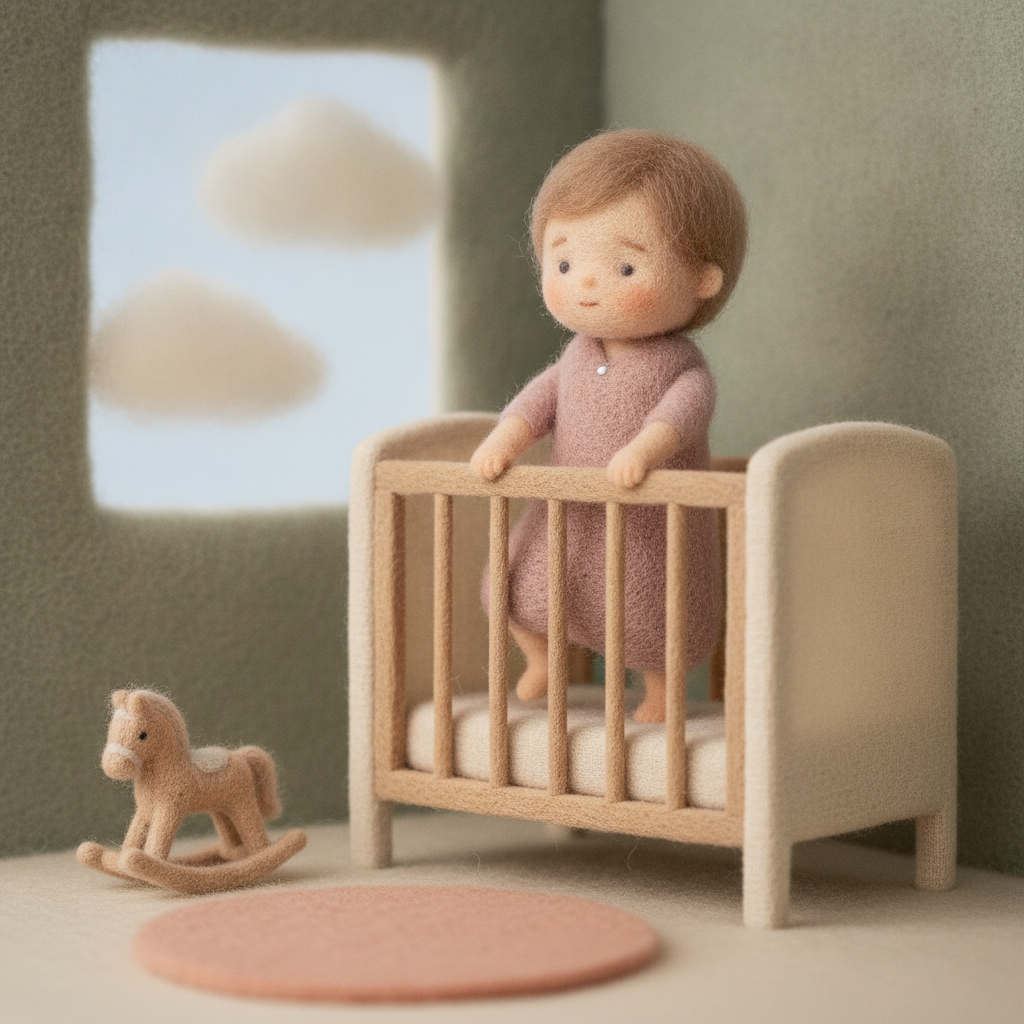
For parents, the crib is a safety net. You put the toddler in, close the door, and know exactly where they are until morning.
But eventually, every child must graduate to a "big kid bed." Many parents rush this transition, moving their 18-month-old to a toddler bed because it looks cute or because a new baby is on the way.
However, from a developmental psychology perspective, moving a child before they are neurologically ready is a recipe for sleep disaster. A toddler who lacks impulse control will treat a floor bed as an invitation to roam the house at 3:00 AM.
Here is how to know when the time is right, and how to keep them safe when the physical boundaries of the crib are removed.
The Golden Rule: Wait as Long as Possible
Pediatricians and sleep experts generally agree: Do not move your child out of a crib until they are at least 3 years old, unless it becomes a safety hazard.
Why 3 years old?
Before the age of 3, a child's brain lacks "impulse control." If an 18-month-old wakes up in the middle of the night and realizes they are not trapped by crib bars, their immediate, uncontrollable impulse is to get up and find you. They do not have the cognitive ability to understand the concept of "staying in bed until morning."
By age 3, a child can understand boundaries, follow simple rules, and begin to grasp the concept of "imaginary boundaries" (like staying in the bed even when there is no physical barrier holding them in).
The Exception: The Crib Climber
The only reason you should move a child out of a crib before age 3 is if they become a consistent "crib climber."
According to the American Academy of Pediatrics (AAP), if a child attempts to climb out of the crib, the crib immediately becomes a safety hazard. Falling from the top rail of a crib can cause severe injuries.
How to delay the climb: Before ditching the crib, try to keep them in it safely for as long as possible:
- Lower the mattress: Ensure it is on the absolute lowest setting.
- Use a sleep sack: A well-fitted sleep sack prevents a toddler from lifting their leg high enough to hook it over the rail.
- Turn the crib around: If the crib has one side that is higher than the other (like a solid backboard), turn the high side facing out into the room.
If they can still climb out despite these measures, you must transition them to a toddler bed or floor bed immediately, regardless of their age.
How to Make the Transition
When you do make the move, treat the entire bedroom as a giant crib.
1. Extreme Baby-Proofing
Since the physical boundary of the crib is gone, the bedroom door is now the physical boundary.
- Anchor all heavy furniture (dressers, bookshelves) to the wall to prevent tip-overs.
- Cover all electrical outlets.
- Remove all toys that have small parts or could be choking hazards.
- Ensure blind cords are completely out of reach or removed entirely.
2. The Door Boundary
If your child is under 3 and transitioning due to climbing, you must secure their room. The AAP supports the use of a tall baby gate at the bedroom door, or closing the door completely, to prevent a toddler from wandering the house (and potentially accessing stairs or the kitchen) unsupervised at night.
3. The "Silent Return"
During the first few weeks in the big bed, your toddler will get out. When they do, use the "silent return" method.
Take them by the hand, walk them back to their bed, tuck them in, and leave the room without making eye contact or speaking. Do not lecture them, do not scold them, and do not cuddle them. Any attention—even negative attention—is a reward for a toddler. If you silently return them to bed 50 times on the first night, they will eventually realize that getting out of bed is incredibly boring.