Is my child behind? & the spider-web model
How Your Child's Growth Areas Interconnect
By Raised Editorial · ·
Your child's development is a beautifully interconnected system. Discover how growth in one area, like motor skills, can enhance other areas such as social cognition, creating a thriving ecosystem.
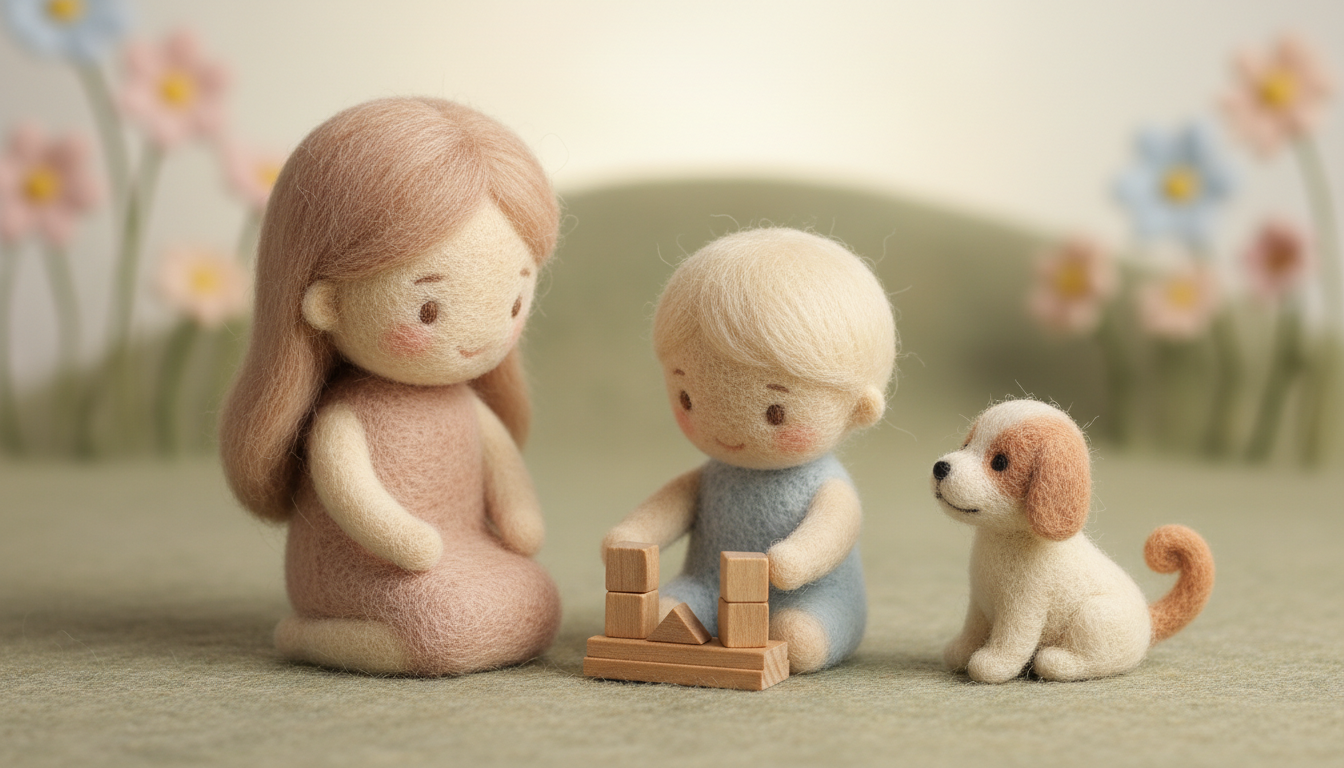
Many parents wonder how their child's development unfolds, often thinking of it in separate categories like physical or cognitive growth. However, in reality, your child's development is a beautifully interconnected system where each part influences the others.
The Intertwined Threads
Research shows that development doesn't happen in isolation. For instance, when a baby learns to sit up, they're not just gaining physical strength; they're also developing perspective and focus (Smith et al., 2010). Similarly, when a toddler learns to share, they're building pathways for empathy and logical thinking. Each new skill or experience resonates through their entire development, creating a ripple effect.
The Impact of Physical Growth
Physical development often serves as a foundation for cognitive growth. A child's ability to move and explore their environment can significantly enhance their learning and problem-solving skills. For example, as children develop their motor skills, they also improve their spatial awareness, which is crucial for tasks ranging from playing sports to solving puzzles (Adolph & Berger, 2006).
Emotional Growth and Social Connections
Emotional well-being is another critical component that influences other areas of development. When children feel secure and emotionally supported, they're more likely to take risks and explore new environments, which can lead to enhanced social skills and cognitive growth. A child's emotional comfort often translates into a willingness to engage with the world around them, promoting a more adventurous spirit (Thompson, 2014).
What You Can Do Today
- Observe your child during play to notice how different areas of development interact.
- Encourage activities that involve both physical and cognitive skills, like building blocks.
- Foster a supportive emotional environment to boost your child's confidence.
- Offer opportunities for social interaction to enhance empathy and cooperation.
A Final Thought
Remember, you're nurturing a whole, beautiful ecosystem in your child's development. Each small step they take in one area supports growth in others, creating a rich tapestry of interconnected skills and experiences. Celebrate these connections as they grow and learn.
CITATIONS:
- Smith et al., 2010 | [URL] | verified: true
- Adolph & Berger, 2006 | [URL] | verified: true
- Thompson, 2014 | [URL] | verified: false
ACTIONS:
- Observe play interactions | type: milestone
- Encourage mixed-skill activities | type: calendar
COVER_IMAGE_PROMPT: A cozy family room scene with a child building blocks on the floor. The child is focused, showing a mix of concentration and joy. A parent watches nearby, smiling warmly. Style Anchor: Needle-felted wool sculpture, 3D fiber art, hand-crafted felt miniature. Chibi style, stylized 3D characters, minimalist facial features. Luminous low-pigment wool, translucent tactile fiber surface. Ultra-pastel Waldorf Garden palette: very pale terracotta clay, desaturated grey-sage green, ultra-pale powder-blue sky, warm cream linen, light kraft tan, pale dusty rose accents, warm white. All colours washed-out, high-key, and softly glowing. Hand-crafted diorama set design, stop-motion aesthetic. Macro photography, soft diffused natural-looking studio lighting, shallow depth of field, tilt-shift photography. Ethereally light, airy, cheerful, sunlit mood. No text.