Baby
Wake Windows for Newborns: A Simple Guide
By Raised Editorial ·
Tracking time between naps is the secret to avoiding an overtired, screaming baby. Here is a simple guide to wake windows and how to read your baby's sleep cues.
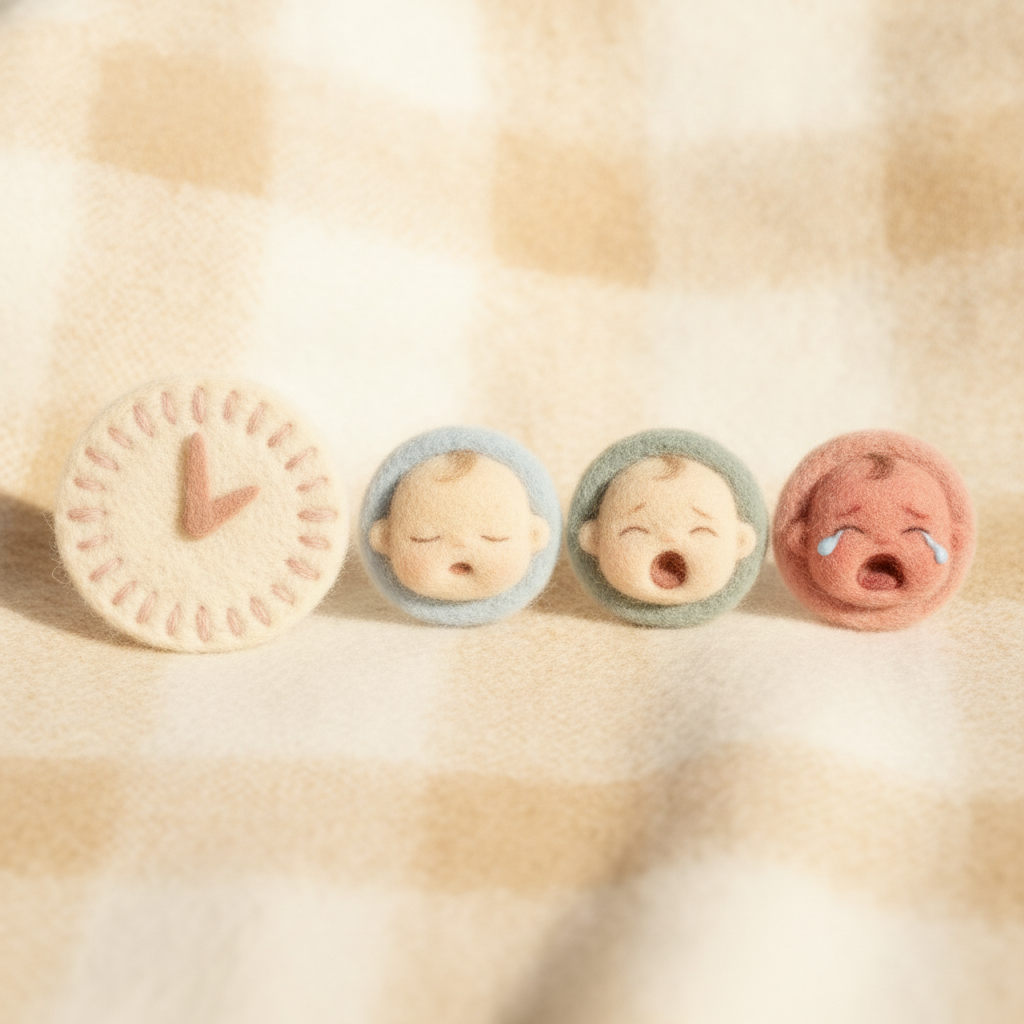
If there is one concept that will transform your life in the newborn phase, it is the "wake window."
Forget strict schedules. Forget trying to put your baby down at exactly 1:00 PM every day. In the first few months, sleep is entirely driven by biological sleep pressure.
Here is a simple, no-nonsense guide to understanding wake windows, so you can put your baby down before they turn into an overtired, screaming mess.
What is a Wake Window?
A wake window is simply the amount of time your baby can stay awake before their brain becomes biologically overloaded and they need to sleep again.
This window starts the moment their eyes open (even if they are just lying quietly in the crib) and ends the moment their eyes close for their next nap.
The Golden Rule: Sleep Begets Sleep
A common myth is that if you keep a baby awake longer, they will be "more tired" and sleep better at night.
This is biologically false. Keeping a newborn awake past their natural wake window triggers a stress response. Their body releases cortisol and adrenaline to keep them awake, making it incredibly difficult for them to fall asleep and stay asleep.
If you want your baby to sleep well at night, you must ensure they sleep enough during the day by honoring their wake windows.
Wake Windows by Age
Newborn wake windows are shockingly short. Here is what you can expect:
- 0 to 4 Weeks: 45 to 60 minutes.
- Reality Check: By the time you change their diaper, feed them, and burp them, it is already time to start rocking them back to sleep.
- 1 to 2 Months: 60 to 90 minutes.
- 3 to 4 Months: 90 to 120 minutes.
- 5 to 6 Months: 2 to 2.5 hours.
How to Combine Wake Windows with Sleep Cues
Wake windows are a guide, not a law. You must combine the clock with your baby's unique "sleep cues."
If it has been 45 minutes and your baby starts showing sleep cues, do not wait for the 60-minute mark. Put them down immediately.
Early Sleep Cues (The Ideal Time to Start Bedtime):
- Staring blankly or avoiding eye contact (zoning out).
- Pink or red coloring around the eyebrows.
- Slower, less jerky movements.
Late Sleep Cues (You Are Entering the Danger Zone):
- Yawning.
- Rubbing their eyes or pulling their ears.
- Fussing and whining.
Too Late (The Adrenaline Spike):
- Crying, screaming, and arching their back. If you reach this point, you have missed the wake window and must heavily soothe them to calm their nervous system.
The "Nap Math"
To make wake windows work for you, do the "nap math."
If your 6-week-old wakes up from a nap at 2:00 PM, look at the clock. Their wake window is 60 to 90 minutes. That means they need to be asleep between 3:00 PM and 3:30 PM.
Because it takes about 15 minutes to soothe a baby to sleep, you need to start your wind-down routine (swaddling, white noise) at 2:45 PM.
Mastering the wake window takes practice, but once you figure out your baby's rhythm, the constant battle of bedtime will finally end.