Feeding
Toddler Refuses Dinner but Wants Snacks: How to Respond
By Raised Editorial ·
It is the most common mealtime battle: the toddler pushes away a healthy dinner, then immediately demands a snack 10 minutes later. Here is the clinical feeding strategy to stop this cycle without starving your child.
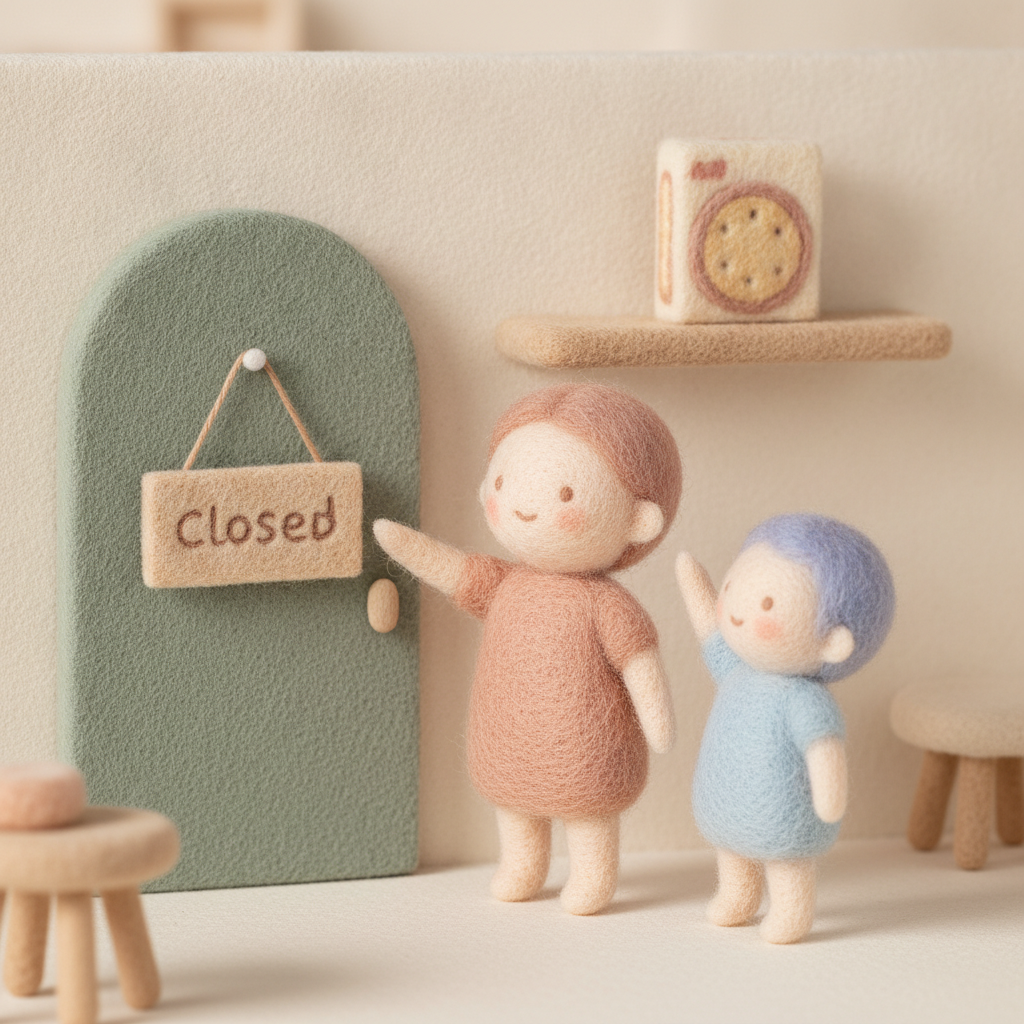
You spend 45 minutes cooking a balanced, healthy dinner. You place it in front of your toddler. They take one look at it, push the plate away, and declare, "All done!"
You take them out of the highchair. Ten minutes later, they walk into the kitchen, point at the pantry, and start screaming for fruit snacks or crackers.
This is perhaps the most universal, frustrating feeding dynamic in modern parenting. Parents are caught in an agonizing bind: if they give the snack, they reward the dinner refusal. If they don't give the snack, they are sending their child to bed hungry.
Here is a look at the clinical feeding psychology behind this behavior, and the evidence-based strategy to stop the "dinner-to-snack" pipeline.
Why Toddlers Play the Snack Game
Toddlers are incredibly intelligent boundary-testers. They are constantly running behavioral experiments to see how the world works.
If a toddler refuses dinner and you respond by offering them a bowl of goldfish crackers 10 minutes later (even if you do it begrudgingly), you have just taught them a very clear law of physics: Rejecting the boring food summons the highly preferred food.
Why would they ever eat roasted carrots if they know, with 100% certainty, that rejecting the carrots will result in crackers?
Furthermore, from a toddler's perspective, snacks are inherently superior to meals. Snacks are usually carbohydrates (quick energy), they are highly predictable (they always taste the same), and they don't require the work of chewing a complex piece of meat or a vegetable.
The Strategy: Close the Kitchen
To break this cycle, you must implement a strict, predictable feeding schedule and adhere to Ellyn Satter's Division of Responsibility.
The parent decides when food is offered. The toddler decides whether to eat it.
Step 1: The Schedule
Toddlers need to eat roughly every 2.5 to 3 hours. A typical schedule is: Breakfast, Morning Snack, Lunch, Afternoon Snack, Dinner. No grazing is allowed between these times. If the toddler constantly grazes on dry cereal all afternoon, they will legitimately not have an appetite for dinner.
Step 2: The "Safe Food" Dinner
To ensure you are not being completely unreasonable, every dinner you serve must include at least one food you know the toddler likes (e.g., bread, a preferred fruit, or a specific type of pasta).
Step 3: The Refusal
If the toddler refuses the meal, do not beg, bargain, or threaten. Say cheerfully, "Okay, you're listening to your tummy! Dinner is over." Take the plate away and let them leave the table.
Step 4: The Snack Demand
When they inevitably return 10 minutes later demanding a snack, you must hold the boundary. Say calmly: "The kitchen is closed right now. We will have food again at breakfast time." (Or "snack time," if it was lunch they refused).
Will They Starve?
This is the hardest part for parents to accept. The biological truth is: A healthy toddler will not voluntarily starve themselves.
Missing one meal will not harm a healthy child. It will, however, teach them that you are serious about the schedule. They will likely go to bed slightly hungry, and they will wake up the next morning and eat a massive breakfast.
If you cave and give them the crackers, you reinforce the behavioral loop and guarantee that they will refuse dinner again tomorrow.
The "Boring Bedtime Snack" Loophole
Some parents simply cannot bear the thought of sending their child to bed on an empty stomach. If this is you, there is a clinically approved loophole: The Boring Bedtime Snack.
If dinner is at 5:30 PM and bedtime is at 7:30 PM, you can schedule a bedtime snack at 7:00 PM. However, it comes with strict rules:
- It must be boring. It cannot be a highly preferred treat (no fruit snacks, no cookies, no favorite crackers). It should be nutritionally dense but unexciting (e.g., half a plain banana, plain yogurt, or a piece of plain whole-wheat toast).
- It must be scheduled. It happens at 7:00 PM regardless of how much they ate at dinner. It is part of the routine, not a "reward" for eating or a "punishment" for refusing.
If the toddler knows that rejecting dinner only results in a piece of plain toast an hour later, the motivation to hold out for a "better" snack evaporates.