Anxiety, fears & separation anxiety
Understanding Attachment: Building Secure Bonds with Your Child
By Raised Editorial · ·
From the first moments of life, an invisible bond forms between a caregiver and their child. This bond, known as attachment, is a foundation for emotional health and resilience. Discover how this connection shapes your child's world and how you can nurture it.
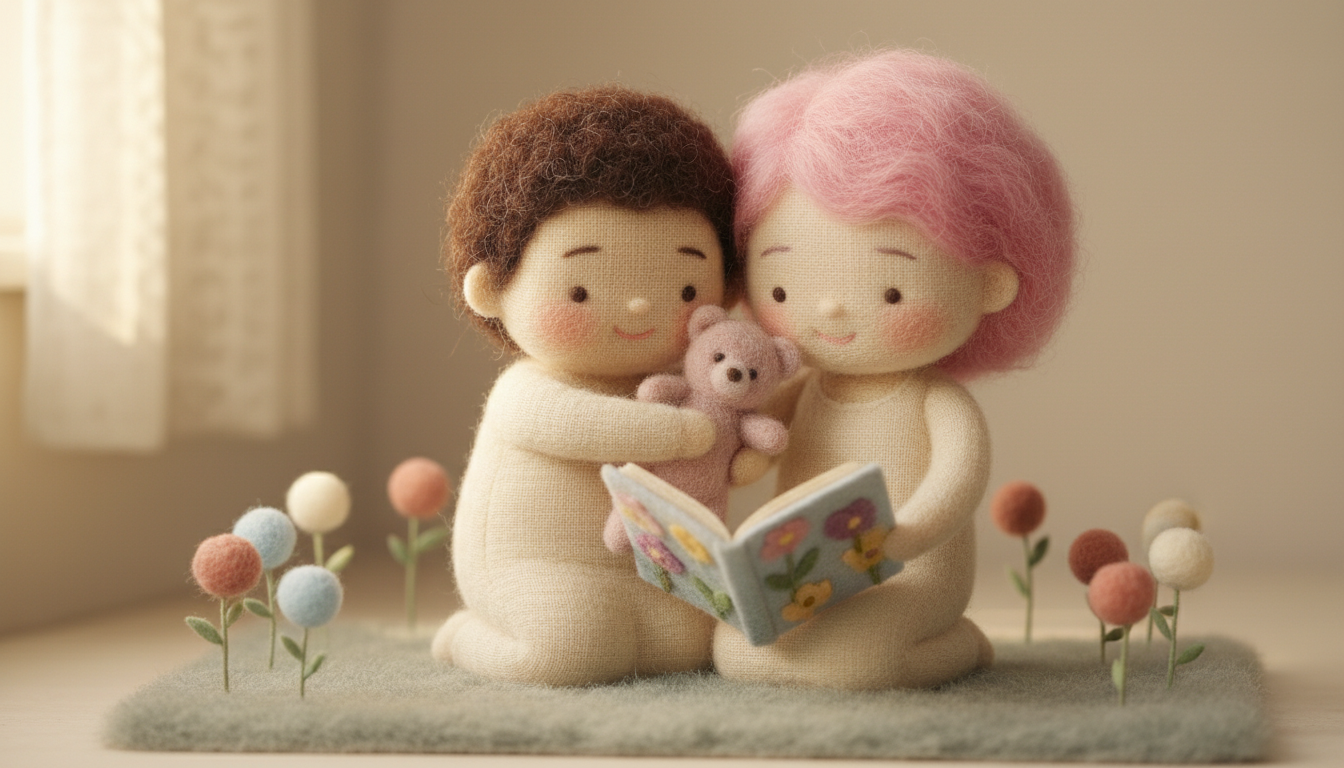
Imagine the first time your baby wraps their tiny fingers around yours. In that moment, an invisible yet profound bond begins to form between you and your child. This bond, known as attachment, goes beyond mere affection. It is a biological and psychological framework that influences how we perceive the world, manage emotions, and build relationships throughout our lives.
The Biological Drive for Proximity
John Bowlby, the pioneer of attachment theory, revealed that attachment is an innate behavioral system. Picture an infant equipped with instinctual tools—crying, clinging, smiling—all designed to keep them close to their caregiver. In our evolutionary past, this closeness was essential for protection against predators and environmental hazards. Today, the biological need for a "secure base" remains. It gives your child the confidence to explore, knowing they have a safe haven to return to when challenges arise.
The Internal Working Model
Through nurturing interactions with primary caregivers, infants start developing what Bowlby called an Internal Working Model. Think of this as a mental blueprint for understanding social relationships.
- Consistent caregiver responses teach your child they are worthy of love, making the world feel safe and predictable.
- Inconsistent or distant responses can lead children to view the world as uncertain, fostering anxious or avoidant behaviors.
These models are deeply imprinted in the developing brain, forming the foundation for personality and future relationship expectations.
The Dance of Attunement: Rupture and Repair
Modern research, led by experts like Allan Schore, emphasizes attachment's role in "affect regulation"—the ability to manage emotions. Attachment is a dynamic "dance" of attunement, where the caregiver's and infant's minds align. Yet, no parent is perfectly in sync all the time. "Ruptures" happen when cues are missed or comfort is delayed.
The science reassures us that these ruptures are not harmful. In fact, the process of rupture and repair is crucial. When you acknowledge a rupture and make amends—through comforting gestures, eye contact, and soothing words—you show your child that stress is manageable and relationships can endure conflict. This cycle nurtures self-regulation and psychological resilience.
What You Can Do Today
- Respond Consistently: Aim to respond to your child's needs with warmth and reliability.
- Embrace Repair: Don't worry if you miss a cue. Repair any ruptures with loving attention.
- Create a Secure Base: Encourage exploration by being a comforting presence when needed.
- Practice Attunement: Pay attention to your child's signals and emotions, adjusting your responses accordingly.
A Final Thought
Attachment is the unseen thread weaving our earliest experiences into lifelong well-being. By understanding and nurturing this bond, you provide your child with a foundation of security and resilience. Remember, a secure attachment isn't about perfection; it's about being a steadfast, responsive presence that tells your child, "You are safe, you are seen, and you are not alone."
CITATIONS:
- Bowlby, J., 1988 | [URL] | verified: true
- Schore, A. N., 2001 | [URL] | verified: true
- Ainsworth, M. D. S., 1978 | [URL] | verified: false
ACTIONS:
- Reflect on daily bonding moments | type: calendar
- Track child's response to repair | type: milestone
COVER_IMAGE_PROMPT: A felted doll scene depicting a parent and child in a cozy living room. The parent is gently holding the child's hand, both smiling. The setting includes soft, pastel colors with a warm cream couch and a sage green plant in the background. Style Anchor: Needle-felted wool sculpture, 3D fiber art, hand-crafted felt miniature.