Big feelings & emotion coaching
The Power of Art in Your Child's Emotional Growth
By Raised Editorial · ·
Visual arts like drawing and painting are more than just creative hobbies for children. They offer profound opportunities for emotional exploration and self-regulation, helping your child express feelings they can't yet put into words.
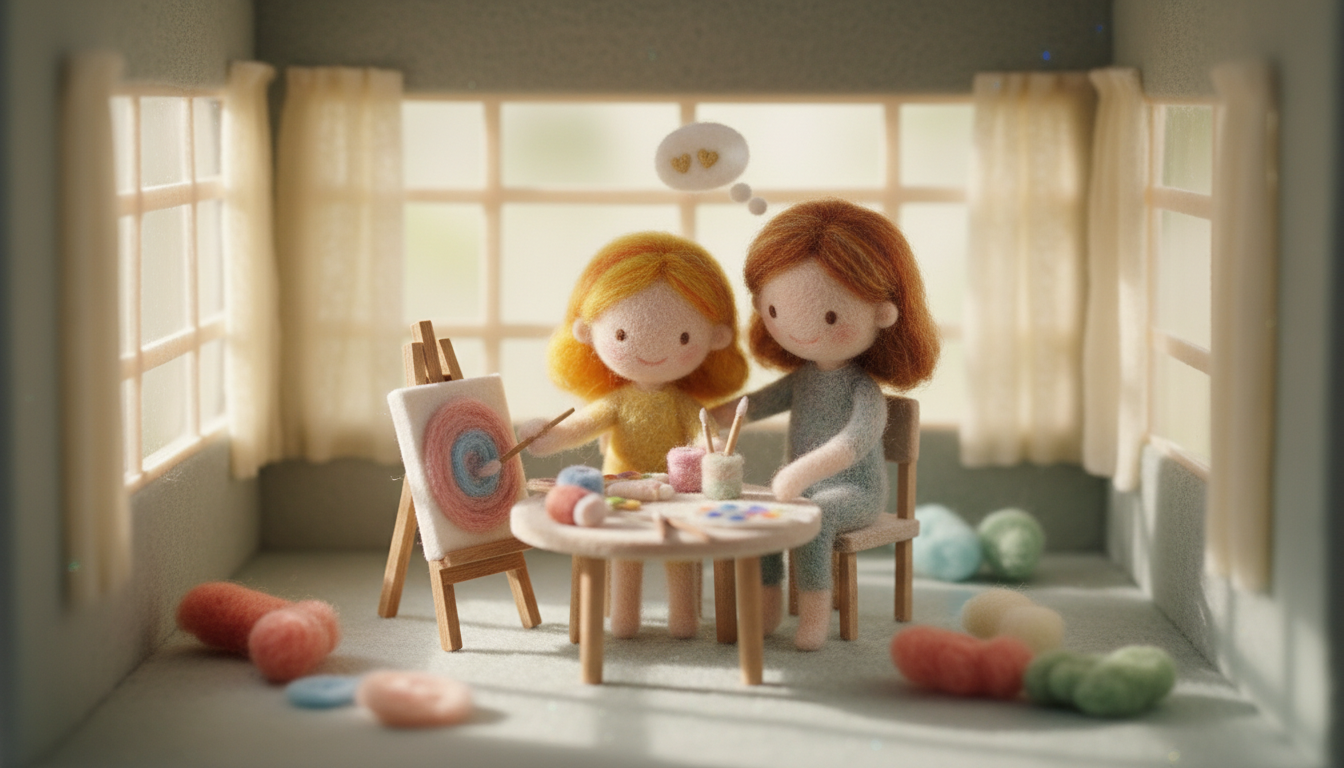
Imagine the moment your child first grips a crayon, their small hands ready to make a mark on the world. Visual arts such as drawing, painting, and sculpting are far more than creative activities; they are profound pathways for emotional exploration and self-regulation. Developmental psychology beautifully illustrates how art allows children to express their inner worlds, giving them a voice even before they can fully form words.
The Science of Emotional Expression Through Art
Consider a child drawing their feelings, engaging in the magic of "symbolic representation." According to the International Encyclopedia of Education, this process bridges the gap between abstract emotions and tangible reality. By turning a "scary" feeling into a drawing, the child becomes an artist of their emotional landscape, creating a piece that can be seen, discussed, and gently altered.
Art's Benefits Across Age Groups
Early Childhood (ages 2-5)
For our youngest artists, art is a sensory delight, much like the joy of finger painting or the satisfying squish of clay. These activities not only calm but also develop fine motor skills, providing a safe canvas for expressing frustration.
Middle Childhood (ages 6-11)
As children grow, their art begins to tell stories, weaving a narrative tapestry that helps them navigate social challenges or anxieties. In educational settings, techniques from "art therapy" highlight how the process of creation often provides more comfort than the final masterpiece.
How You Can Support Your Child's Creative Regulation
- Focus on Process, Not Product: Instead of asking "What is it?", try saying "I see you used a lot of red here," or "How did it feel to use the big brush?" This nurtures their creative spirit.
- Provide Diverse Materials: Different textures—like the smoothness of clay versus the fluidity of watercolor—offer unique sensory experiences that can align with or soothe a child's emotional state.
- Create a "No-Judgment Zone": Ensure that art-making for regulation remains a sanctuary free from grades or critiques, a place where self-expression flows freely.
A Final Thought
Integrating visual arts into your child's daily life offers them a lifelong toolkit for emotional understanding. It nurtures mindfulness, builds resilience, and strengthens the connection between their mind and body. As your child's first and greatest teacher, through art, you help them paint a world of emotional growth and understanding.