Brain-leap explainers by stage
Nurturing Your Baby’s Brain with Serve and Return
By Raised Editorial · ·
In your baby's first year, their brain forms over one million new neural connections every second. This growth is beautifully supported by "Serve and Return" interactions, where your responses to their cues build brain architecture and foster security.
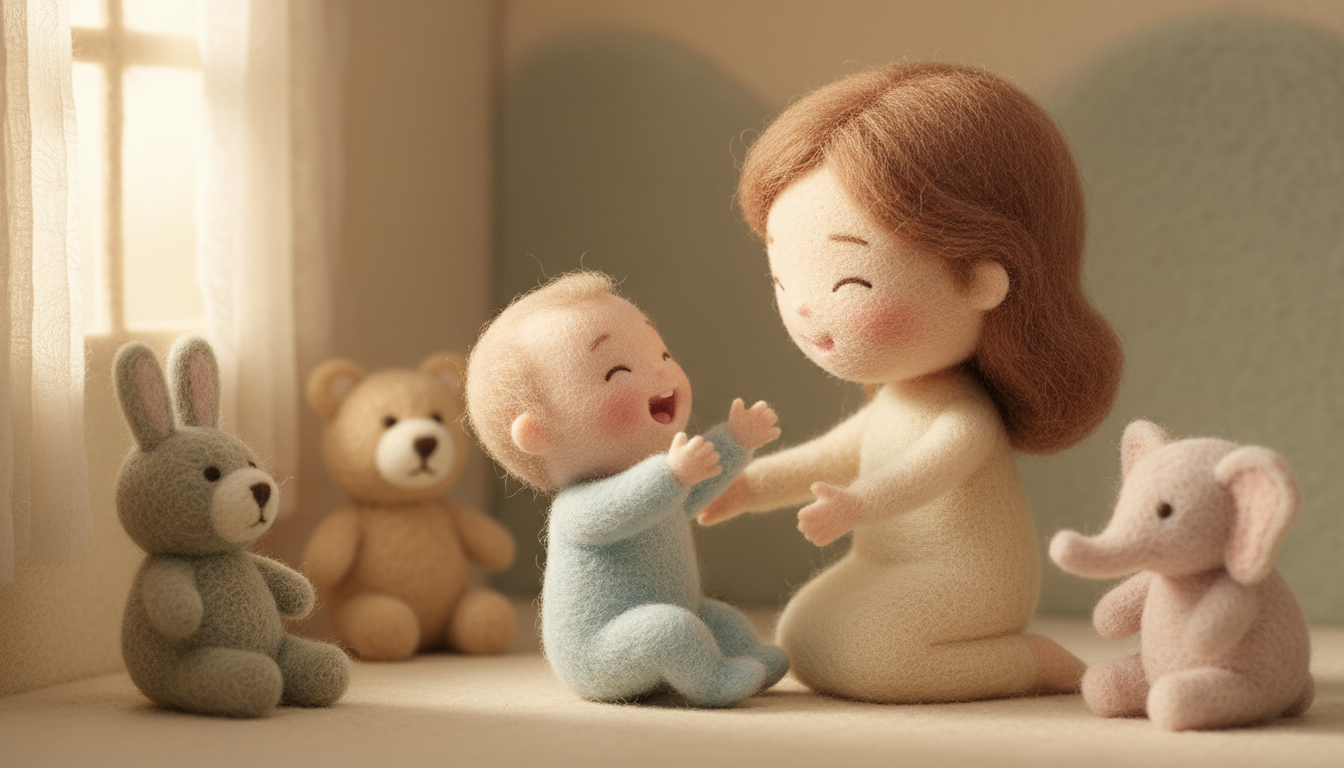
Imagine the first time your baby locks eyes with you and coos—a moment so simple yet profound. In that instant, their brain is abuzz with the creation of over one million new neural connections every second. What science tells us is beautiful: this miraculous growth is fueled not by the latest toys or flashcards, but through the heartfelt dance known as "Serve and Return" interactions.
Understanding Serve and Return
Picture a gentle game of catch between you and your baby. The serve is when your baby makes a sound, points at something, or gives you a wide-eyed gaze. The return is your response—perhaps a warm smile, a gentle word, or naming the object they find fascinating.
The Importance of Serve and Return
Every time you respond to your baby's cues, you lay the foundational stones of their brain architecture. These interactions strengthen neural pathways, forming the bedrock for language and social skills. They also provide a sense of security, assuring your baby that their needs and voices are cherished. Additionally, they lower stress hormones, creating a sanctuary where their brain can thrive in exploration rather than defense.
Practicing Serve and Return Daily
- Notice the Serve: Tune into what captures your baby's attention, whether it's a twinkling mobile or a playful puppy.
- Name it: When they point to a dog, respond with, "Yes, that's a fuzzy dog!"
- Wait for a response: Allow your baby the space to process and serve back. Even a few moments of silence can be rich with potential.
What You Can Do Today
- Pay attention to your baby's cues and respond warmly.
- Use simple language to describe what they see or hear.
- Give them time to respond in their own way.
- Enjoy these moments of interaction as opportunities for growth.
A Final Thought
Remember, you are your baby's first and greatest teacher. These simple interactions are powerful tools for their brain development, creating a loving and secure environment where they can flourish. Embrace these moments, knowing that each smile and coo is helping your baby grow.