Play as brain-building
The Power of Play: Building Skills Through Fun
By Raised Editorial · ·
While play might seem like simple fun, it's a vital tool for your child's development. From cognitive growth to social skills, play is the foundation of learning. Discover how different types of play contribute to your child's growth and how you can support their playful journey.
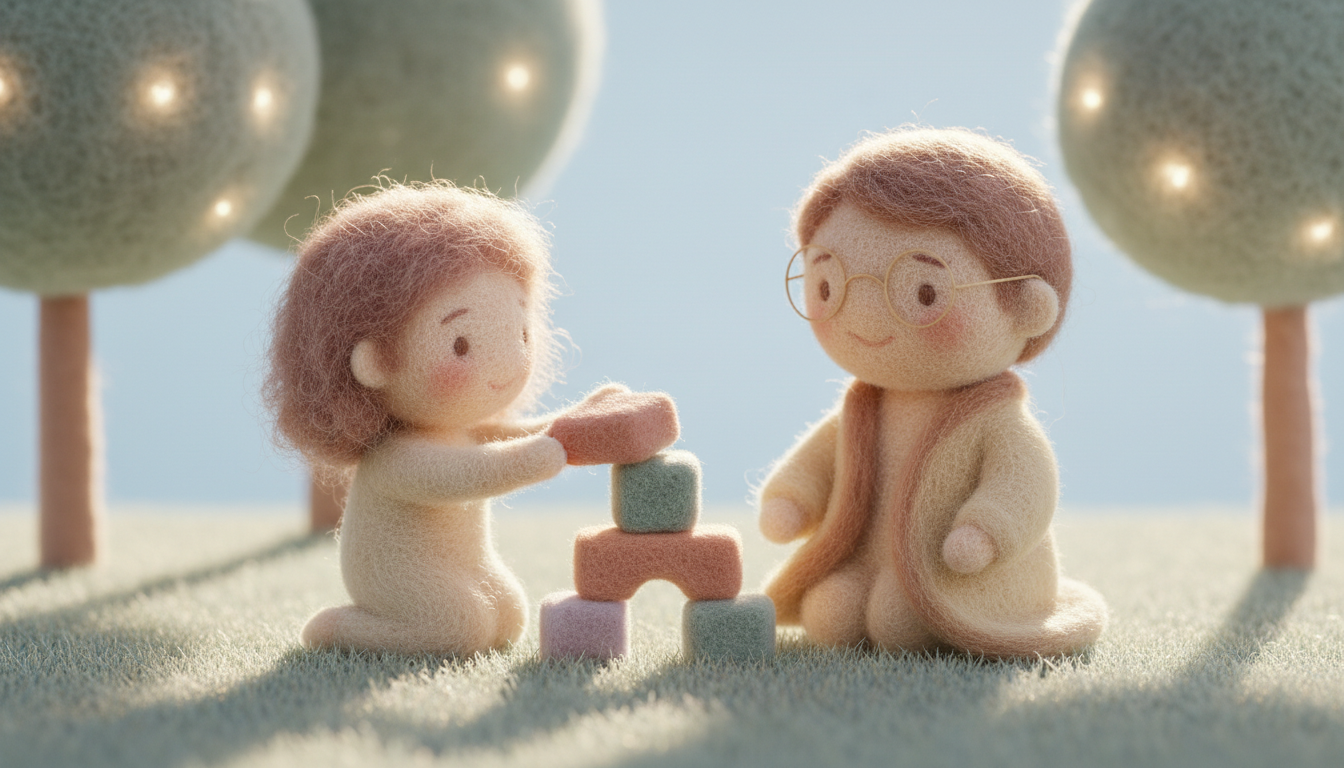
Think back to when your baby first reached for a toy. That simple act of grasping isn't merely play—it's the beginning of a journey where play becomes a powerful force in your child's development. Play is the heart of childhood, weaving together learning and social growth in delightful ways.
Play as a Growth Tool
Play isn't just amusement; it's a cornerstone of cognitive growth. Scholars like Jean Piaget and Lev Vygotsky provide insights into its importance:
Piaget's Perspective: Piaget saw play as a mirror of a child's cognitive development. Imagine a toddler joyfully banging a drum—they're exploring cause and effect. As they grow, their play evolves, becoming more abstract and complex.
Vygotsky's Perspective: Vygotsky viewed play as a stage for growth, where children push beyond their current abilities. He called this the Zone of Proximal Development. In make-believe, children explore roles and scenarios, practicing skills they'll use later in life.
The Magic of Symbolic Play
A key milestone in play is when children engage in pretend play, opening the door to symbolic thinking. Picture a child turning a stick into a "horse" or a box into a "spaceship." This isn't just play—it's a sophisticated mental exercise where objects transcend their physical form. This skill lays the groundwork for reading and math, where symbols represent sounds and quantities.
Developing Social Skills Through Play
Social-pretense play, like playing "house" or "superheroes," is a vibrant arena for developing social skills. Here, children learn metacommunication—discussing the play itself. They practice role negotiation, rule-setting, and conflict resolution. This play requires understanding different perspectives, acknowledging that others think and feel differently.
Types of Play and Their Benefits
- Functional Play: Involves repeated actions like rolling a ball. This helps develop motor skills and understanding of physical properties.
- Symbolic/Pretend Play: Imaginative scenarios foster abstract thinking, language, and creativity.
- Games with Rules: Structured play like board games teaches self-regulation, strategy, and sportsmanship.
The Role of the Adult: Guided Play
While free play is essential, research highlights the benefits of guided play, where adults gently guide exploration. By asking open-ended questions ("What might happen if we build the tower this way?") and introducing new materials, adults become partners in discovery, expanding a child's understanding.
What You Can Do Today
- Encourage different types of play, from free play to structured games.
- Join your child in pretend play, letting them lead the story.
- Introduce new materials and ask open-ended questions.
- Provide opportunities for social play with peers.
A Final Thought
Play is not just a break from learning; it's the essence of it. It's how children explore the world, test ideas, and build social-emotional foundations. By nurturing play, you give your child the tools to become creative, resilient, and harmonious individuals. You're their first and most important guide on this playful journey.