Self-esteem & confidence
Nurturing Your Child's Growing Sense of Self
By Raised Editorial · ·
When does a child begin to understand their individuality? This journey of discovering the "self" is a fascinating part of child development. Learn about the stages of self-awareness and how you can support your child's emerging identity with empathy and understanding.
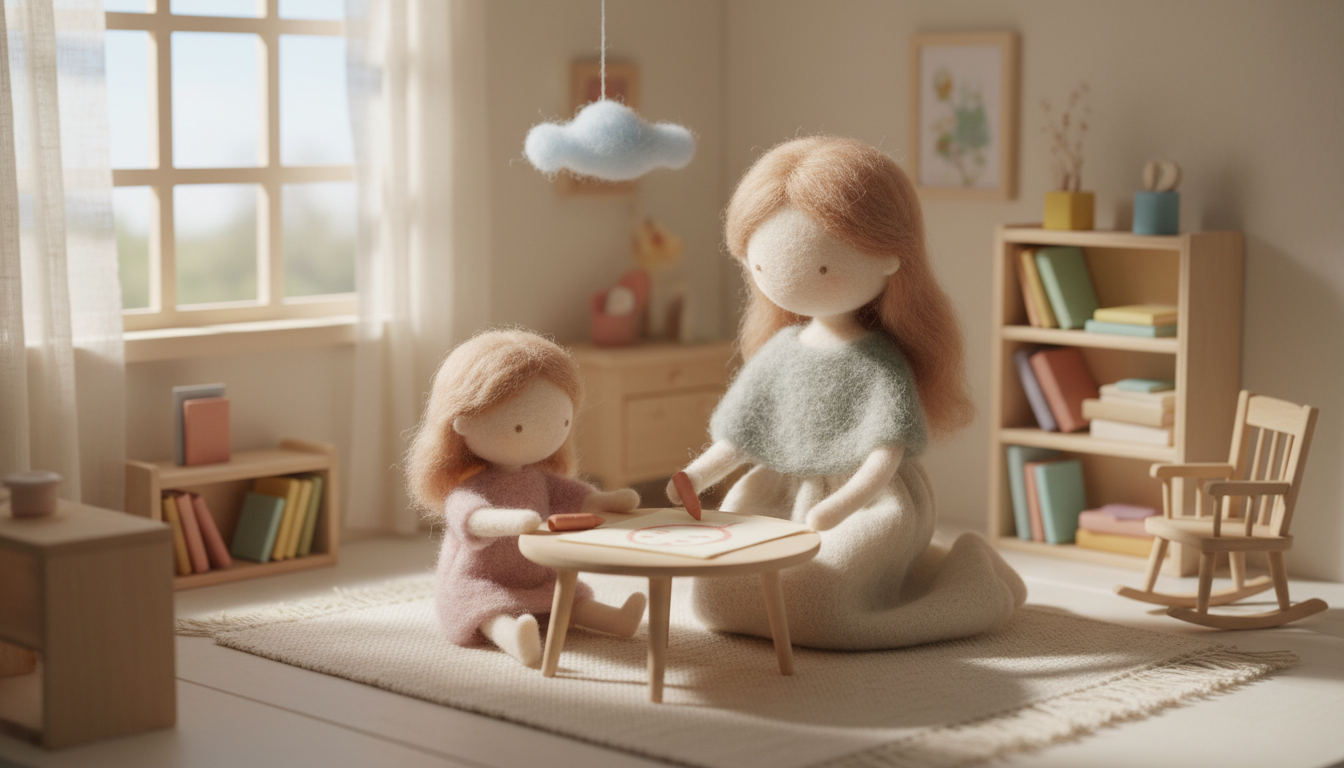
Imagine the moment your child starts to sense they are their own person, distinct from the world around them. This journey of discovering the "self" is a remarkable transformation in human development, moving from complete dependence to a complex personal identity. Let's explore the stages of self-awareness and how you can nurture this emerging identity.
The Emergent and Core Self
In the first two months, infants experience what Daniel Stern calls the emergent self. At this stage, they aren't yet aware of themselves as separate individuals, but they are actively "coming into being," like a seed germinating beneath the soil. They begin forming connections between sensations—the sound of a voice, the touch of a hand, and the warmth of feeding.
Between two and seven months, the core self starts to emerge. This is a pivotal time when infants discover they can initiate actions. They realize, "I move my hand, and the rattle makes a sound." This sense of agency forms the foundation of self-coherence. They also begin to recognize their own emotional states and the vibrant social life around them (Stern, 1985).
The Subjective Self
A significant leap occurs between seven and fifteen months with the emergence of the subjective self. At this stage, infants become aware that they have inner experiences—and that others have them too. This awareness opens the door to intimacy. A child might point at a bird and look back at you, checking to see if you are both "seeing" the same thing. This "joint attention" is the first step in understanding that minds can meet and share experiences. It's also the beginning of empathy, as your child starts to tune into the feelings of those around them (Trevarthen, 2005).
The Verbal Self
Between 15 and 30 months, language acquisition marks the birth of the verbal self. Language is a powerful tool for self-definition. When your toddler learns to say "Me" or "Mine," they are asserting their separate existence in a new way. Language allows them to represent themselves in the past and the future. They can tell stories about what they did "yesterday" and what they want "tomorrow." However, this stage also introduces a "split" in experience: the child now has a "verbal self" that can be shared through words, and a "lived self" that exists beyond language (Nelson, 2007).
What You Can Do Today
- Encourage exploration: Provide safe spaces for your child to explore their environment and discover their abilities.
- Share experiences: Engage in activities that promote joint attention, like reading or playing games together.
- Support language development: Talk to your child and encourage them to express themselves with words.
- Foster independence: Allow your child to make choices and express preferences, reinforcing their individuality.
A Final Thought
The journey of identity is a testament to the resilient, social, and ever-evolving nature of the human spirit. By honoring and supporting each stage of this journey, you help your child build a foundation that is truly their own. Remember, your empathy and understanding play a crucial role in nurturing their sense of self.