Baby
Swaddling: Is It Safe, and When Should You Stop?
By Raised Editorial ·
Swaddling is a magical tool for newborn sleep, but it becomes incredibly dangerous if used for too long. Here is the science behind swaddling, the safety rules, and when you must stop.
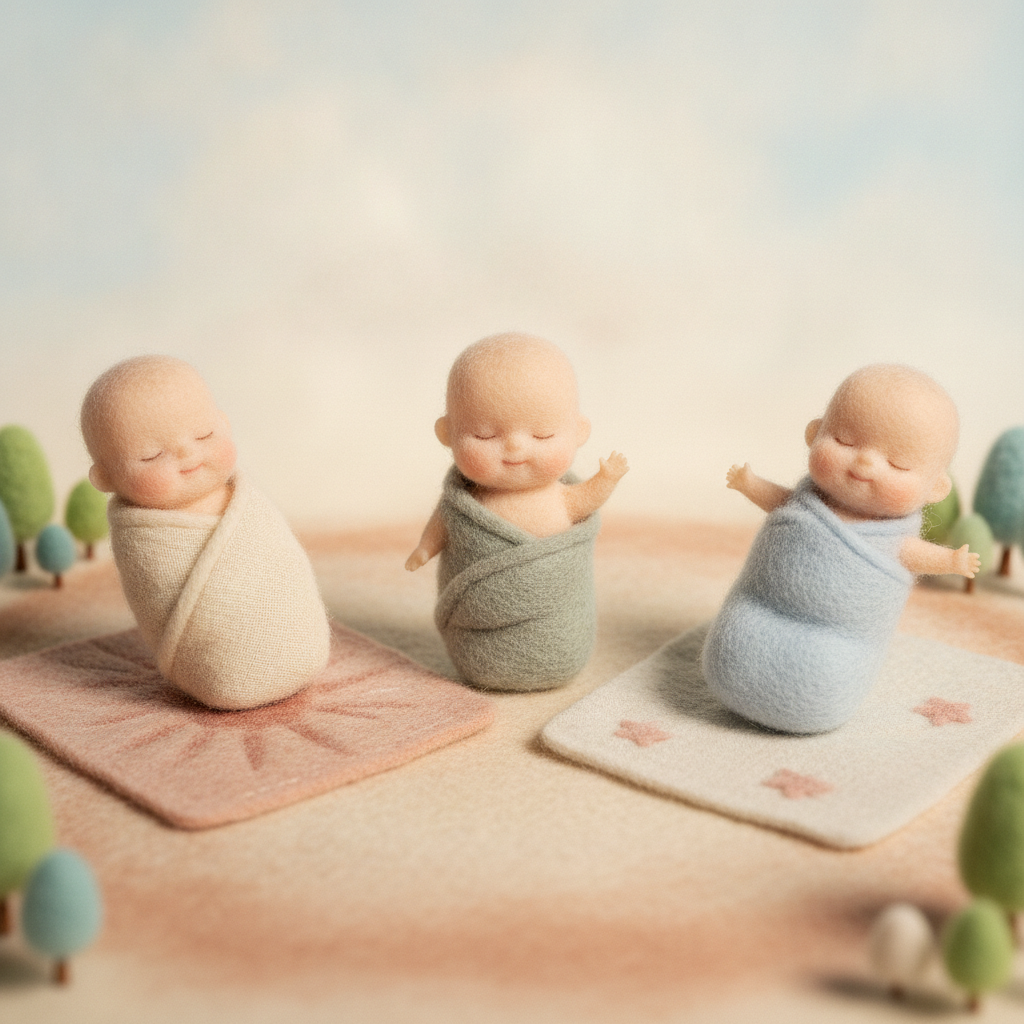
For a newborn, being swaddled feels like being back in the womb. It provides deep pressure, warmth, and crucially, it stops their "Moro reflex" (the startle reflex) from waking them up every 20 minutes.
But as your baby grows, the rules of swaddling change drastically. What is safe at 2 weeks old can become a fatal hazard at 12 weeks old.
Here is a guide to the reality of swaddling, according to the American Academy of Pediatrics (AAP).
The Myth of the "Safe" Weighted Swaddle
The Myth: Weighted swaddles or weighted blankets help babies sleep deeper and are safe to use.
The Reality: The AAP explicitly warns against using any weighted sleep products on infants. A baby's ribcage is made of soft cartilage, not hard bone. Even a small amount of weight on their chest can compress their ribs, making it difficult to breathe. Furthermore, weighted swaddles make it harder for a baby to turn their head or roll over if they need to clear their airway.
Always use a lightweight, unweighted swaddle blanket or sleep sack.
Swaddling Safety Rules
If you choose to swaddle, you must follow these rules to protect your baby from Sudden Infant Death Syndrome (SIDS) and hip dysplasia:
- Always on the Back: A swaddled baby must always be placed on their back to sleep. If a swaddled baby is placed on their stomach, or rolls onto their stomach, they do not have their arms free to push themselves up. This is a severe suffocation risk.
- Hip Health: Swaddles should be snug around the chest, but loose around the hips. A baby must be able to bend their legs up and out at the hips. Swaddling the legs tightly together and straight down can cause hip dysplasia.
- Check the Temperature: Swaddling adds a layer of clothing. Check the back of your baby's neck. If they are sweaty, they are too hot. Overheating is a major risk factor for SIDS.
When MUST You Stop Swaddling?
This is the most critical rule of swaddling: You must stop swaddling as soon as the baby shows any signs of attempting to roll over.
Many parents assume they should wait until the baby can successfully roll all the way over. This is too late. The moment your baby starts arching their back, lifting their legs and twisting, or managing to roll onto their side, the swaddle must be retired.
For many babies, this happens around 3 to 4 months of age, but it can happen as early as 2 months.
How to Transition Out of the Swaddle
Stopping the swaddle cold turkey often results in a few nights of terrible sleep as the baby gets used to their arms flailing around again.
To make the transition easier:
- One Arm Out: Start by wrapping the swaddle with one of the baby's arms left out. Do this for a few nights so they get used to the sensation.
- Both Arms Out: Next, leave both arms out, but keep the swaddle wrapped snugly around their chest.
- The Sleep Sack: Finally, transition to a wearable blanket (a sleep sack) that allows full movement of their arms while keeping them warm and safe from loose blankets in the crib.
Swaddling is a fantastic tool for the "fourth trimester," but knowing when to put that tool away is essential for your baby's survival.