Night wakings & self-settling
Helping Your Child Sleep: Building Brains Overnight
By Raised Editorial · ·
For school-aged children, sleep is more than rest—it's active brain-building time. During sleep, the brain consolidates learning, manages stress, and regulates emotions, forming the foundation for future growth.
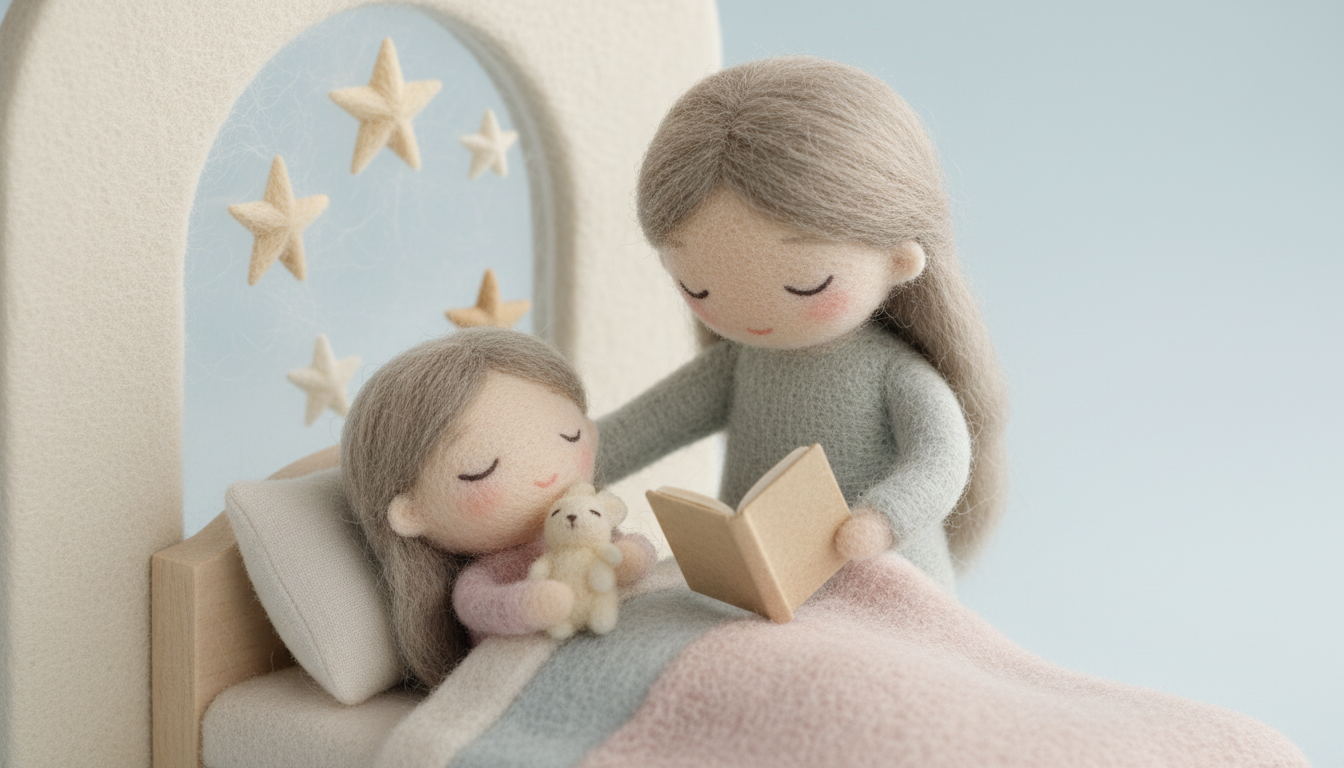
Imagine the moment your child closes their eyes each night. It's not just a pause; it's a time when their brain is actively at work. During sleep, your child's brain constructs the framework of their future—consolidating the day's learning, clearing stress, and balancing emotions.
The Impact of Sleep Deprivation
When sleep is cut short, the effects are noticeable:
- Poor Focus: Think of the prefrontal cortex as the brain's wise CEO. Without enough sleep, it struggles to manage focus and decisions, leaving your child unfocused.
- Emotional Volatility: A tired child faces emotional challenges, with each feeling more intense, leading to frequent emotional outbursts.
- Lower Academic Performance: Sleep is when the brain "saves" the day's learning for future use.
How Much Sleep Do They Need?
Children aged 6–12 thrive with 9 to 12 hours of restorative sleep each night. If your child struggles to concentrate in school or experiences "after-school meltdowns," sleep might be the missing piece of their developmental puzzle.
Tips for Better Sleep
- The "Digital Sunset": Just like the setting sun signals the end of the day, turning off screens at least an hour before bed allows melatonin, the "sleep hormone," to rise and prepare for rest.
- Consistency is Key: Like the steady rhythm of a heartbeat, maintaining a consistent bedtime and wake-up time—even on weekends—helps nurture a natural sleep pattern.
- A Relaxing Routine: A calming bedtime routine, such as a warm shower, a favorite story, or a gentle high-five, signals to the brain that it's time to transition from the day's activities to the restful night.
What You Can Do Today
- Set a consistent bedtime and wake-up time for your child.
- Implement a screen-free hour before bedtime.
- Create a calming bedtime routine with activities your child enjoys.
- Monitor your child's sleep environment for comfort and quiet.
A Final Thought
Sleep is a powerful tool in your parenting toolkit. A well-rested brain is a learning brain, and investing in 10 hours of sleep is an investment in your child's future. Encourage healthy sleep habits to help them thrive.