Baby
Separation Anxiety at Bedtime: What to Do
By Raised Editorial ·
When your baby suddenly screams in terror every time you try to leave the nursery, bedtime becomes a battlefield. Here is how to handle separation anxiety without creating bad sleep habits.
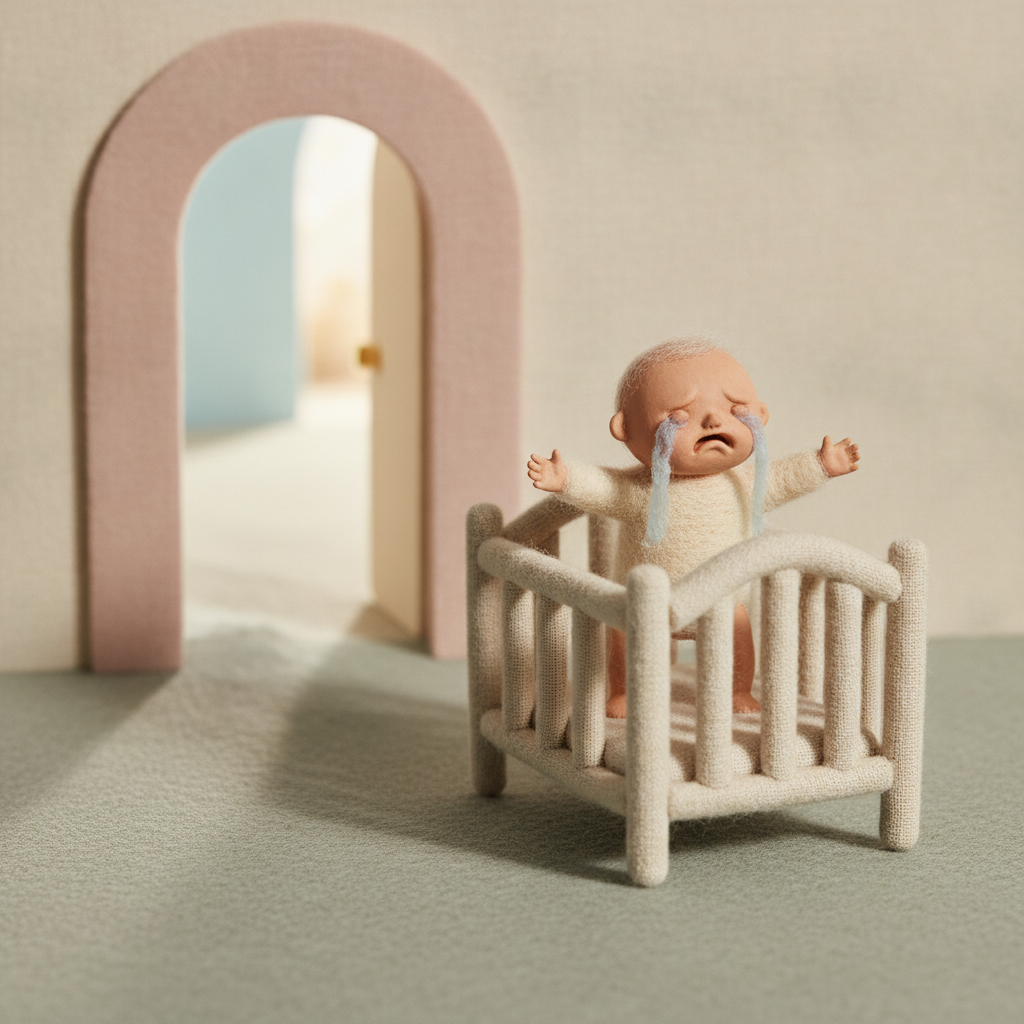
For months, you have had a perfect bedtime routine. You put your baby in the crib, turn off the light, and walk out. But suddenly, around 8 or 9 months of age, your baby starts screaming in terror the moment your hand touches the doorknob.
They aren't just fussy; they are genuinely panicked. Welcome to separation anxiety at bedtime.
This phase is biologically driven and completely normal. As your baby develops "object permanence" (the understanding that things exist even when they cannot see them), they realize that when you leave the room, you are somewhere else. And they want to be with you.
Here is how to handle bedtime separation anxiety while maintaining healthy sleep boundaries.
The Trap: Do Not Change the Rules
When a baby screams in panic, a parent's instinct is to comfort them. This is the right instinct! However, how you comfort them matters immensely.
If you normally leave the room, but suddenly start staying in the room, holding their hand until they fall asleep, you are accidentally creating a new "sleep association."
If you bring them out to the living room or let them sleep in your bed, you are teaching them a powerful lesson: Screaming gets me out of the crib.
Once separation anxiety passes (usually in 2 to 4 weeks), the baby will continue screaming at bedtime because they have learned a new, highly rewarding routine.
The Fix: Connection Before Separation
The most effective way to combat separation anxiety is to "fill their cup" before you ask them to separate from you.
- Dedicated Floor Time: Spend 15 to 20 minutes before the bedtime routine begins engaged in uninterrupted, phone-free play. Get down on the floor, make eye contact, and let them lead the interaction.
- The Routine: Keep your bedtime routine exactly the same. Predictability reduces anxiety because the child knows exactly what is coming next.
- The Exit: When it is time to leave, be confident and boring. Do not linger. If you hesitate, look worried, or keep turning back, you send the message: "Mom is worried about leaving me here. This place must be dangerous."
How to Handle the Crying
When you leave the room and they start crying, you must respond, but you must maintain the boundary of the crib.
- Wait 3 to 5 Minutes: Before rushing back in, give them a few minutes to process their emotions and attempt to self-soothe.
- The Check-In: Go back into the room. Keep the lights off. Do not pick them up. Stand next to the crib and offer calm, confident reassurance: "I am right here. You are safe. It is time to sleep."
- Keep it Brief: Leave after 1 to 2 minutes, even if they are still crying.
You are teaching them two vital lessons: first, that you will always return when they are upset (building trust); and second, that the crib is a safe place for sleep, and the rules have not changed.
Practice Separation During the Day
You can help your baby master object permanence by playing games during the day.
- Peek-a-boo: The classic game that teaches a baby that you disappear and come back.
- Hide and Seek: Hide slightly out of sight (behind a couch or a door) while continuing to talk to them, proving that you still exist even when they cannot see you.
- Brief Exits: Tell them, "I am going to the kitchen, I will be right back," leave the room for 15 seconds, and return happily.