Big feelings & emotion coaching
Cultivating Empathy: Guiding Your Child's Heart
By Raised Editorial · ·
Empathy isn't just a fixed trait; it's a skill that grows with nurturing. By understanding its stages and engaging in "serve and return" interactions, you can guide your child towards compassionate understanding and meaningful connections.
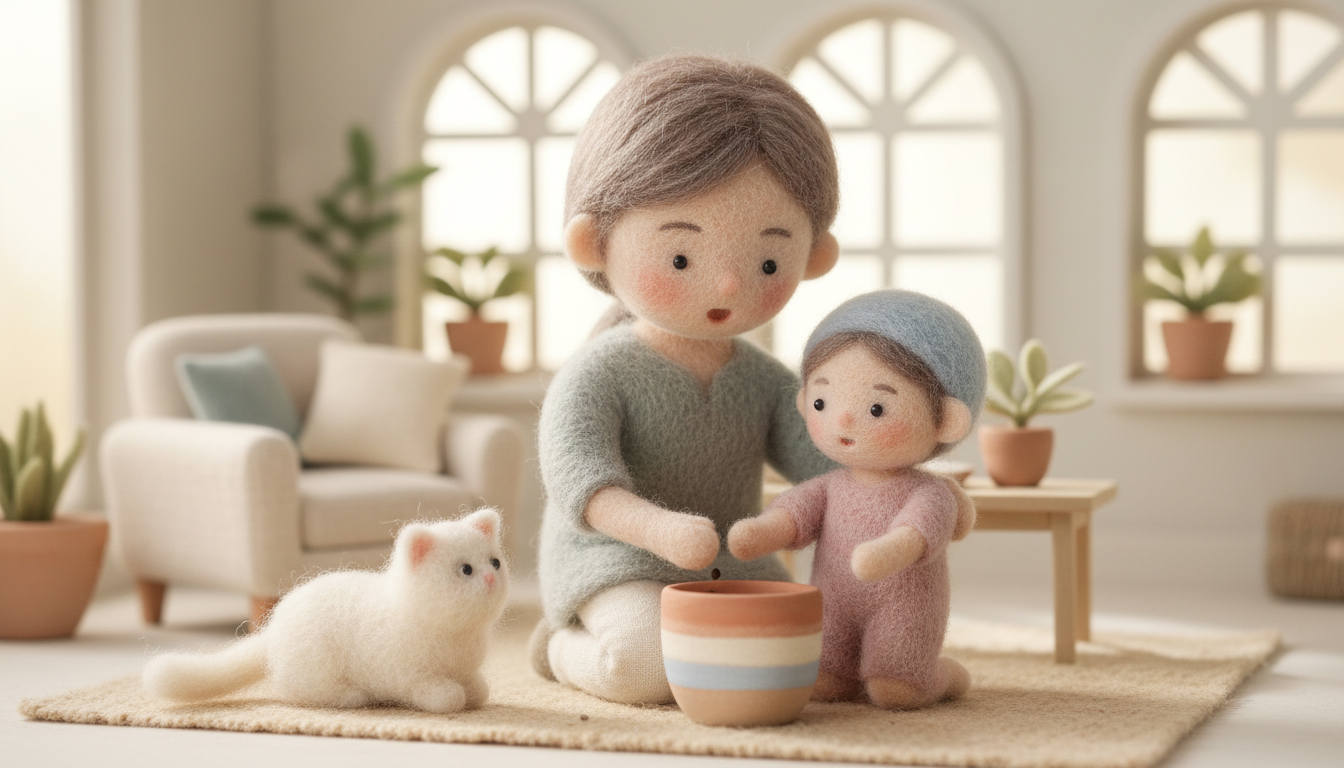
Imagine the first time your baby responds to another's cry with their own—a tender echo of shared emotion. Empathy begins here, not as a fixed trait but as a skill that blossoms through nurturing and the gentle art of perspective-taking.
Understanding Empathy Development
Empathy unfolds in stages, each offering unique opportunities to guide your child's emotional growth:
- Infancy: This stage features "Emotional Contagion," where a baby's tears can ripple through a room, touching others. It's the biological seed from which empathy sprouts.
- Toddlerhood: Here, "Egocentric Empathy" emerges. Picture a toddler offering their beloved teddy bear to soothe a crying adult, recognizing distress but assuming comfort is universal.
- Middle Childhood: This is when "Cognitive Empathy" begins. Children start understanding that others' feelings are shaped by unique stories and histories.
The Power of "Serve and Return"
Science tells us that "serve and return" interactions are the heartbeats of emotional intelligence. When you respond to your child's emotions with empathy—saying things like, "I see you are feeling frustrated right now"—you're not just comforting them. You're crafting a mirror through which they will learn to see and understand the feelings of others.
Strategies for Fostering Empathy
- Name the Feeling: Regularly enrich your child's world with a rainbow of emotional vocabulary. Dive into picture books and ask, "How do you think that character feels right now?"
- Model Perspective-Taking: Transform conflicts into lessons. Explain the why: "When you took the toy without asking, your friend felt sad because they weren't finished playing."
- Encourage Prosocial Behavior: Empathy is the "feeling"; prosociality is the "action." Encourage your child to help set the table or care for a pet, reinforcing the idea that their actions ripple out to affect others.
Why Empathy Matters
Empathetic children are like bridges in a complex world, connecting people and ideas with compassion and ethics. They are poised to build strong social bonds, thrive in collaborative environments, and navigate global challenges. By nurturing empathy, you're laying the cornerstone of a kinder, healthier society. You are your child's first and greatest teacher on this beautiful journey.
What You Can Do Today
- Introduce a new emotion word during storytime.
- Practice perspective-taking during daily routines.
- Encourage your child to participate in a small act of kindness.
- Reflect on a recent conflict and discuss feelings involved.
A Final Thought
Empathy is a journey that starts with a single step. By nurturing this vital skill, you’re helping your child build a foundation of understanding and compassion. Remember, every moment of connection is a chance to grow together.