Postpartum & Recovery
Postpartum Checklist for the First Month
By Raised Editorial ·
What do you actually need to survive the first four weeks with a newborn? Here is a practical, no-nonsense postpartum checklist focused entirely on the birthing parent's recovery.
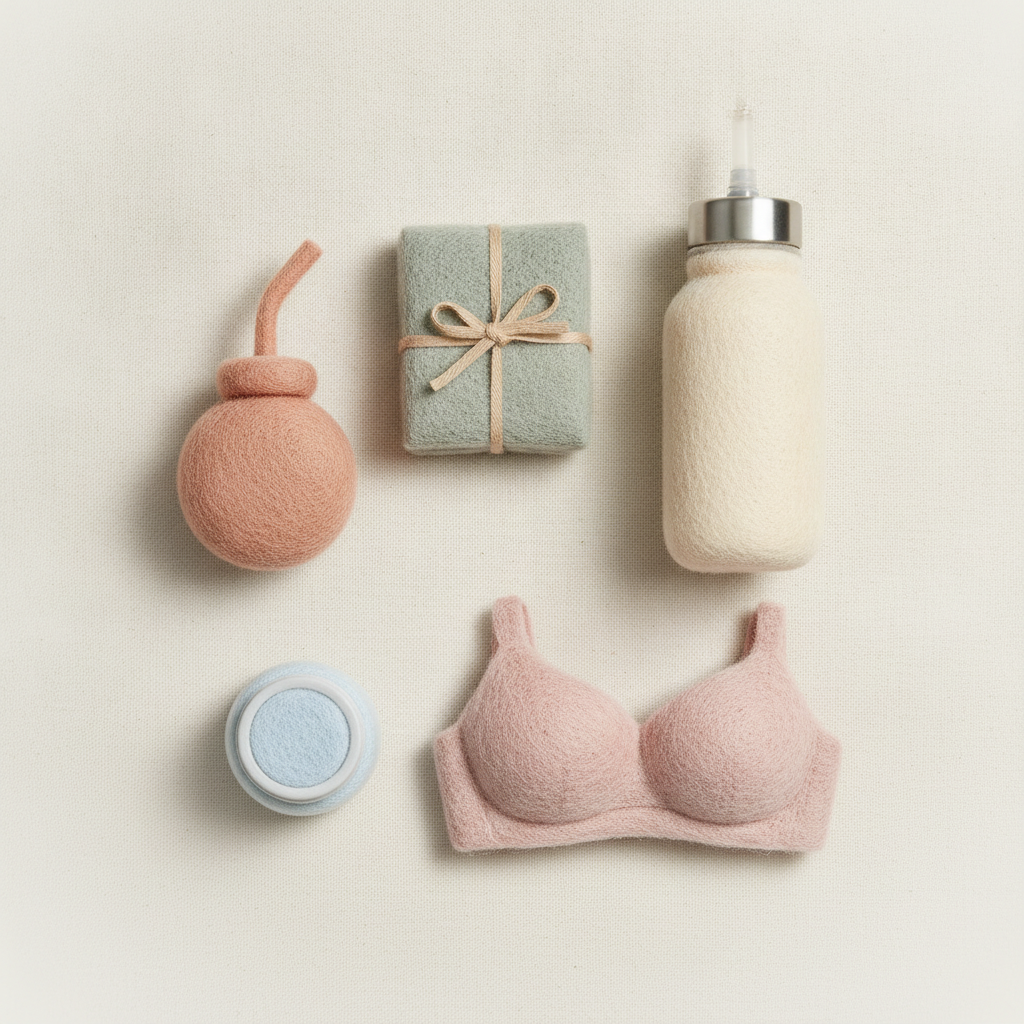
When preparing for a baby, it is easy to spend hours agonizing over which stroller to buy or whether the nursery curtains match the rug. But often, parents completely forget to prepare for the person who is actually giving birth.
The first month postpartum is a time of intense physical recovery. You will bleed, you will ache, and you will be exhausted. You need a "recovery station" set up before you go into labor.
Here is a practical, no-nonsense checklist of what you actually need to survive the first four weeks postpartum, focusing entirely on you.
1. Bathroom & Perineal Care
If you have a vaginal birth, your perineum (the area between your vagina and anus) will be swollen, bruised, and potentially stitched. Even if you have a C-section, you will still experience heavy vaginal bleeding (lochia).
- Heavy-Duty Maternity Pads: You will need the thickest, longest pads you can find for the first two weeks. Do not use tampons or menstrual cups, as they carry an infection risk.
- Disposable Underwear: The mesh underwear they give you at the hospital is legendary for a reason. Buy extra. Alternatively, buy a pack of large, cheap cotton underwear that you don't mind throwing away.
- A Peri Bottle: An angled squirt bottle is essential. You will use this to spray warm water on your perineum while you pee, which dilutes the urine and stops it from stinging your stitches.
- Witch Hazel Pads (e.g., Tucks): These provide cooling, soothing relief for hemorrhoids and perineal swelling.
- Stool Softeners: The first postpartum bowel movement is often terrifying. Drink plenty of water and take the stool softeners your doctor recommends.
2. Breast and Nipple Care
Whether you are breastfeeding, pumping, or formula-feeding, your breasts will undergo massive changes.
- Nursing Bras: Buy soft, wire-free nursing bras that are at least one size larger than your third-trimester size.
- Nipple Cream: Lanolin or a plant-based nipple balm is critical for soothing cracked, sore nipples in the first few weeks of breastfeeding.
- Breast Pads: To absorb leaks. You can buy disposable or washable bamboo pads.
- Cold/Warm Compresses: Essential for managing the pain of engorgement when your milk comes in (around day 3 or 4).
3. Hydration and Nutrition
You cannot recover if you are not fueled.
- An Enormous Water Bottle: Preferably one with a straw so you can drink one-handed while holding the baby.
- One-Handed Snacks: Stock up on granola bars, nuts, bananas, and pre-sliced apples. You will often be "nap trapped" and unable to use both hands to eat.
- Freezer Meals: Before the baby arrives, batch-cook and freeze as many meals as possible, or set up a "meal train" with friends and family.
4. Emotional Support
The most important item on your checklist cannot be bought in a store.
- A "Gatekeeper": Someone (usually your partner) who manages visitors and guards your sleep.
- Emergency Contacts: Have the numbers for a lactation consultant, your OB-GYN, and a perinatal mental health hotline saved in your phone before the baby arrives.
The first month is about survival and healing. The nursery curtains don't matter. Focus on your recovery, and let everything else go.