Postpartum & Recovery
Postpartum Anxiety: Signs, Causes, and When to Get Help
By Raised Editorial ·
While postpartum depression is widely discussed, postpartum anxiety (PPA) is often overlooked. Here is how to recognize the symptoms of PPA and why you do not have to live in a state of constant panic.
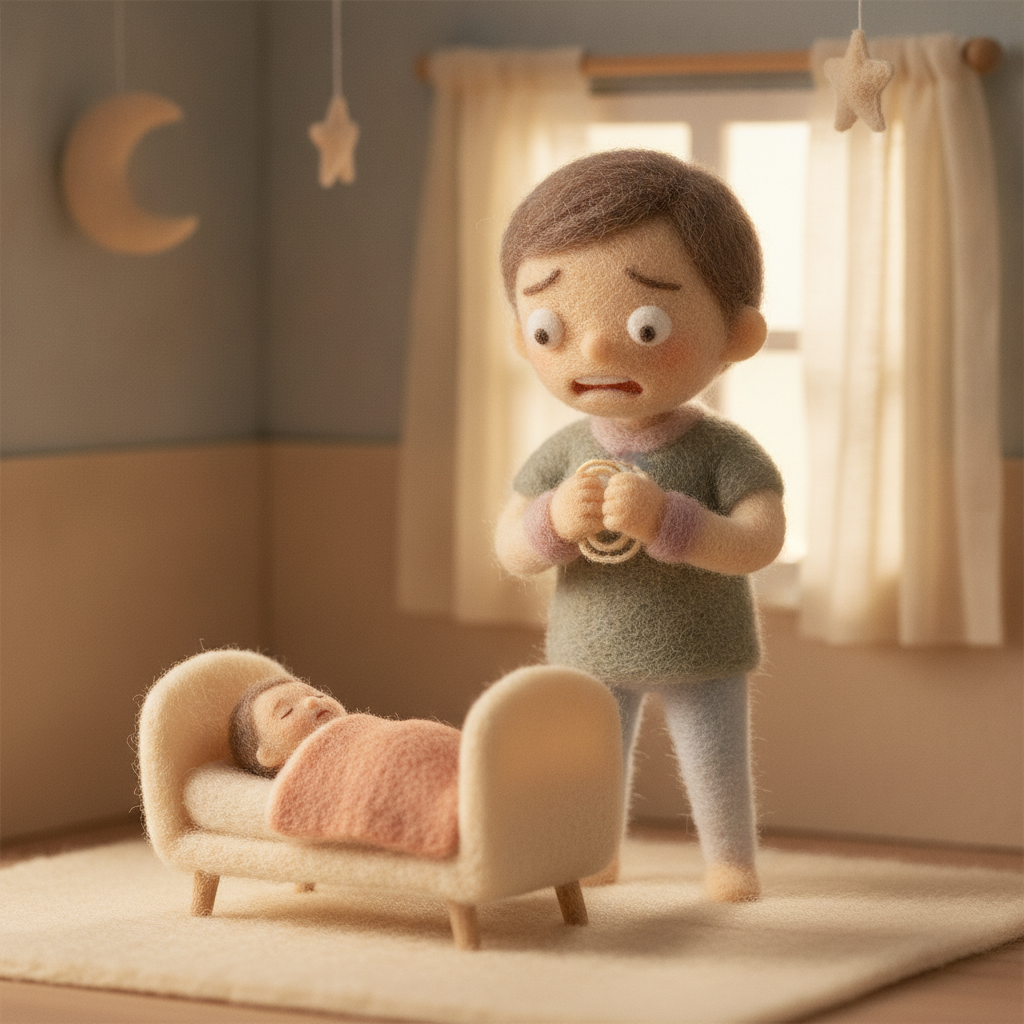
When we talk about maternal mental health, the conversation usually focuses on postpartum depression (PPD)—feelings of deep sadness and lethargy.
But what if you aren't crying all day? What if, instead, your heart is constantly racing, you cannot sleep because you are checking the baby's breathing every ten minutes, and your mind is flooded with terrifying "what if" scenarios?
You might be experiencing Postpartum Anxiety (PPA).
While some worry is entirely normal when you bring home a fragile newborn, PPA is an intense, consuming state of hyperarousal. The American College of Obstetricians and Gynecologists (ACOG) recognizes PPA as a common and highly treatable perinatal mood disorder. Here is what you need to know.
The Difference Between Normal Worry and PPA
It is biologically hardwired into new parents to be vigilant. Worrying about whether the baby is eating enough or if the car seat is installed correctly is normal.
Postpartum Anxiety crosses the line when the worry becomes irrational, uncontrollable, and interferes with your ability to function.
Signs of Postpartum Anxiety include:
- Constant Dread: A persistent feeling that something terrible is about to happen to you or the baby, even when everything is fine.
- Physical Symptoms: A racing heart, shortness of breath, dizziness, nausea, or a tight feeling in your chest (panic attacks).
- Sleep Disruption: Extreme exhaustion, but an inability to fall asleep because your mind is racing or you feel the need to stand over the baby's crib.
- Hyper-Vigilance: Refusing to let anyone else (even your partner) hold the baby because you fear they will drop them, or refusing to leave the house due to fear of germs or accidents.
What Causes Postpartum Anxiety?
PPA is not a sign that you are "overreacting." It is caused by a complex storm of biological and environmental factors:
- Hormones: The massive drop in estrogen and progesterone after birth severely impacts the brain's regulation of mood and stress responses.
- Sleep Deprivation: Severe lack of sleep biologically triggers the body's "fight or flight" response, pumping your system full of adrenaline and cortisol.
- The Shift in Responsibility: Moving from a pregnant person (where the baby is safe inside you) to a parent responsible for keeping a newborn alive on the outside is a massive psychological shift.
- Medical Trauma: If you had a traumatic birth or a baby in the NICU, the lingering adrenaline and trauma can easily manifest as PPA.
Intrusive Thoughts
Many people with PPA experience "intrusive thoughts." These are sudden, unwanted, and often terrifying images of harm coming to the baby (e.g., dropping them down the stairs or drowning them in the bath).
Having an intrusive thought does not mean you want to hurt your baby. In fact, people with PPA are usually horrified by these thoughts and go to extreme lengths to avoid the scenarios they picture. (Note: If you ever feel compelled to act on these thoughts, or if they feel like commands, seek emergency medical care immediately, as this could be a sign of postpartum psychosis).
When and How to Get Help
You do not have to white-knuckle your way through the first year of parenthood. If your anxiety is preventing you from sleeping, eating, or enjoying your baby, it is time to seek help.
- Talk to your doctor or midwife: They can screen you for PPA and discuss treatment options, which may include therapy (like Cognitive Behavioral Therapy) and/or medication.
- Therapy works: A therapist specializing in perinatal mental health can teach you tools to ground yourself when the panic sets in.
- Medication is safe: There are many anti-anxiety medications that are entirely safe to take while breastfeeding.
PPA lies to you. It tells you that you are the only one who can keep the baby safe, and that if you relax for one second, disaster will strike. Reaching out for help is the fastest way to quiet that voice and get your life back.