Gentle, positive & authoritative parenting
Nurturing Parenting: Science and Love Combined
By Raised Editorial · ·
What defines a "good" parent? While there's no single right way, parenting science has revealed core principles that help children thrive. Embrace these insights to nurture your child's development with love and understanding.
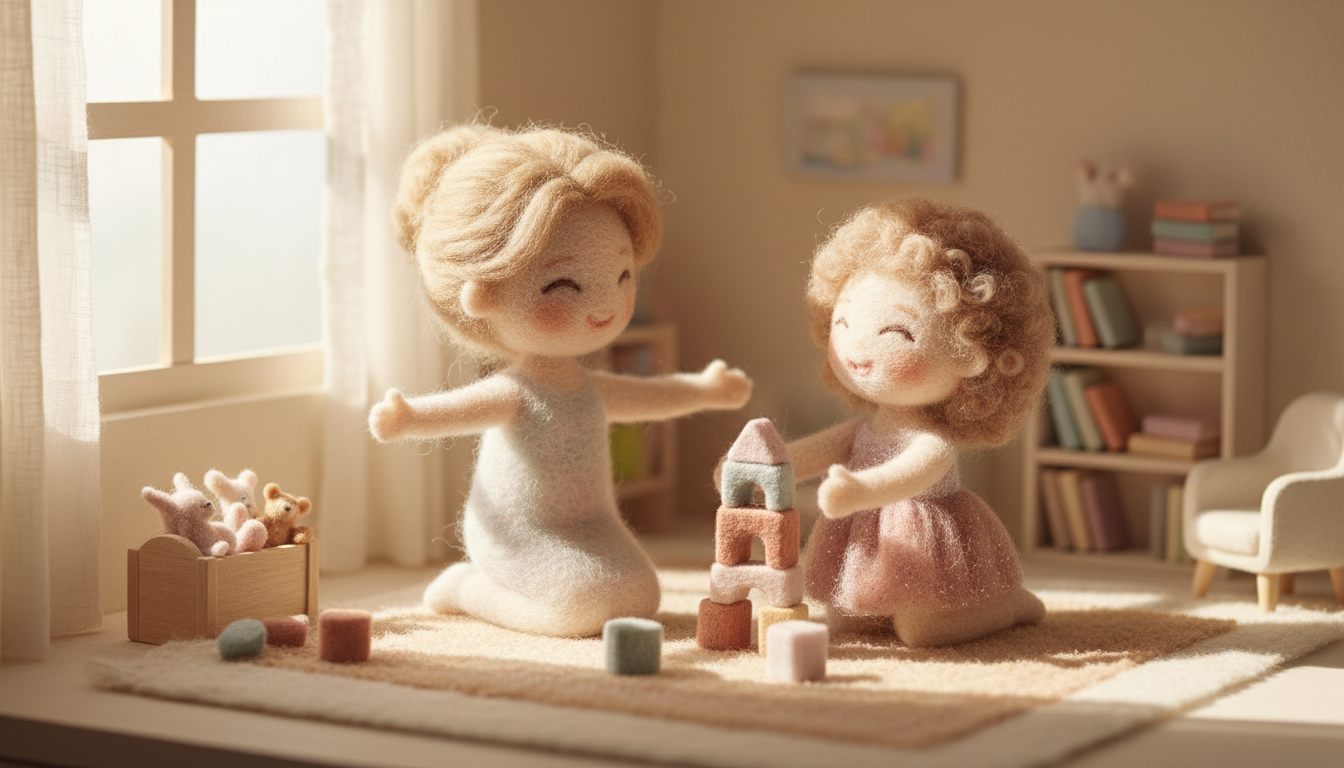
Imagine the first time your baby gazes into your eyes, a tiny universe of potential waiting to unfold. What defines a "good" parent in such moments? While there's no single path to perfect parenting, decades of research highlight principles that help children flourish like wildflowers in a well-tended garden.
Beyond Nature vs. Nurture
Once, development was seen as a tug-of-war between genes and environment. Today, we understand it as a dance of epigenesis—an elegant interplay where your child's surroundings influence the expression of their genetic symphony. You, dear parent, are the conductor at the heart of this process.
The Three Pillars of Positive Parenting
Connection (Nurturance)
This is the "active ingredient," the sunlight and water for your child's growth. It involves warmth, responsiveness, and emotional availability. When you tune into your child's signals, you help shape the architecture of their attachment system, crafting a foundation of security.
Autonomy Support
Self-Determination Theory suggests children need to steer their own ship. Instead of control, offer choices and share the "why" behind your guidance. This empowers children to weave values into their own sails, rather than simply avoiding the storm of punishment.
Structure (Guidance)
Positive parenting is active, like a gardener's careful pruning. It involves setting clear, consistent boundaries and providing the scaffolding children need to navigate life's challenges. By anticipating challenges and guiding children through them, you plant seeds of resilience before they sprout into "issues."
The "PACEs" Framework
New research reveals the magic of Positive Childhood Experiences (PACEs), those precious moments that build resilience like hidden treasures in your child's heart:
- Feeling safe and protected in the home.
- Having a parent who listens and understands.
- Having routines that provide a comforting rhythm.
What You Can Do Today
- Prioritize warm, responsive interactions to build a secure attachment.
- Encourage your child's independence by offering choices and explanations.
- Set clear, consistent boundaries to help your child navigate challenges.
- Create routines that foster a sense of security and predictability.
A Final Thought
Parenting isn't about perfection; it's a beautiful dance where you and your child grow and adapt together over time. Embrace the journey with love and understanding, and watch your child blossom.