Picky eating & food refusal
Picky eating is biology: why your toddler lives on beige food
By Raised Editorial · ·
Toddler picky eating is a predictable biological stage, not defiance. Why it happens, the division of responsibility, and why pressure makes it worse.
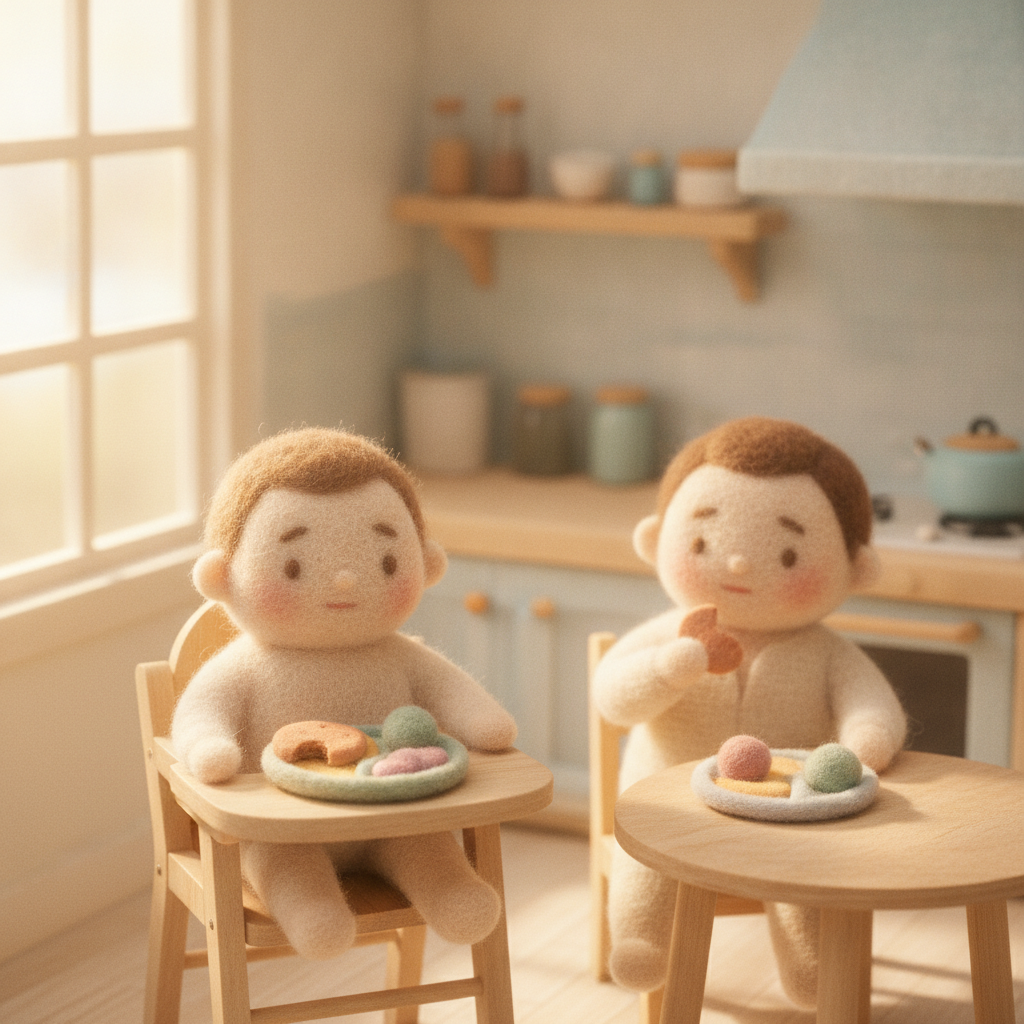
You made a balanced, colourful dinner. Your toddler ate three crackers and a look of betrayal. Yesterday they loved pasta; today pasta is apparently an insult. If mealtimes have become a nightly standoff, it helps to know this: your child is not broken, and you are not failing. Toddler picky eating is one of the most predictable, well-documented stages there is, and it is written into their biology.
Why toddlers reject food
Two things collide around age two. The first is neophobia, a wariness of new foods that appears in toddlerhood for a good evolutionary reason: a newly mobile little human who ate everything they found would not have lasted long, so caution around unfamiliar food kept our ancestors alive. The second is autonomy. A two year old has just discovered they are a separate person with their own will, and food is one of the very few things they fully control. Refusing broccoli is often less about broccoli and more about "I get to decide."
The division of responsibility
There is a simple, well-researched framework that takes the fight out of meals, often called the division of responsibility. It splits the job in two. The parent decides what food is offered, and when and where meals happen. The child decides whether to eat, and how much. That is the whole thing, and it is freeing. Your job is to reliably put a reasonable spread on the table, always including at least one food you know they will accept. Their job is to listen to their own hunger. When you try to control the last two decisions too, how much and whether, you step onto their turf, and the standoff begins.
Why pressure backfires
Every instinct says push: one more bite, no dessert until you finish, the airplane spoon. But pressure reliably makes picky eating worse, not better. A pressured child ties the food, and the table, to stress, which lowers the odds they ever come to like it. Bribing with dessert quietly teaches that vegetables are the toll and dessert is the prize. The counterintuitive truth: the fastest route to an adventurous eater is to stop trying to make them eat.
What actually helps
- Serve it and let it go. Offer the food, including a safe option, and let their body decide. No commentary.
- Keep offering, without pressure. It can take many neutral exposures before a child accepts a new food. Rejection today is not rejection forever.
- Eat it yourself. Children learn to like foods by watching trusted people enjoy them, far more than by being told to.
- Stay neutral about wins and losses. Big praise for eating broccoli can backfire as much as pressure; it signals the food was a hurdle.
- Zoom out to the week. Toddlers balance their intake across days, not meals. A day of beige is not a nutritional emergency.
When to check with a doctor
Ordinary picky eating is a phase, not a medical problem. But talk to your doctor if your child is losing weight or not growing, gags or chokes often, has a very small range of accepted foods that keeps shrinking, or if eating seems painful. Those can point to something beyond typical toddler pickiness that is worth a look.
The relief
You are not responsible for how much goes in; you are responsible for what is offered and the calm around the table. Take the pressure off, keep the meals pleasant, and trust that the beige phase, like all the others, passes.