Feeding
Picky Eating in Toddlers: What Is Normal and What Helps
By Raised Editorial ·
Almost every toddler goes through a phase of refusing foods they used to love. Discover the biological reason behind 'neophobia,' and the clinical strategies to prevent it from becoming a lifelong habit.
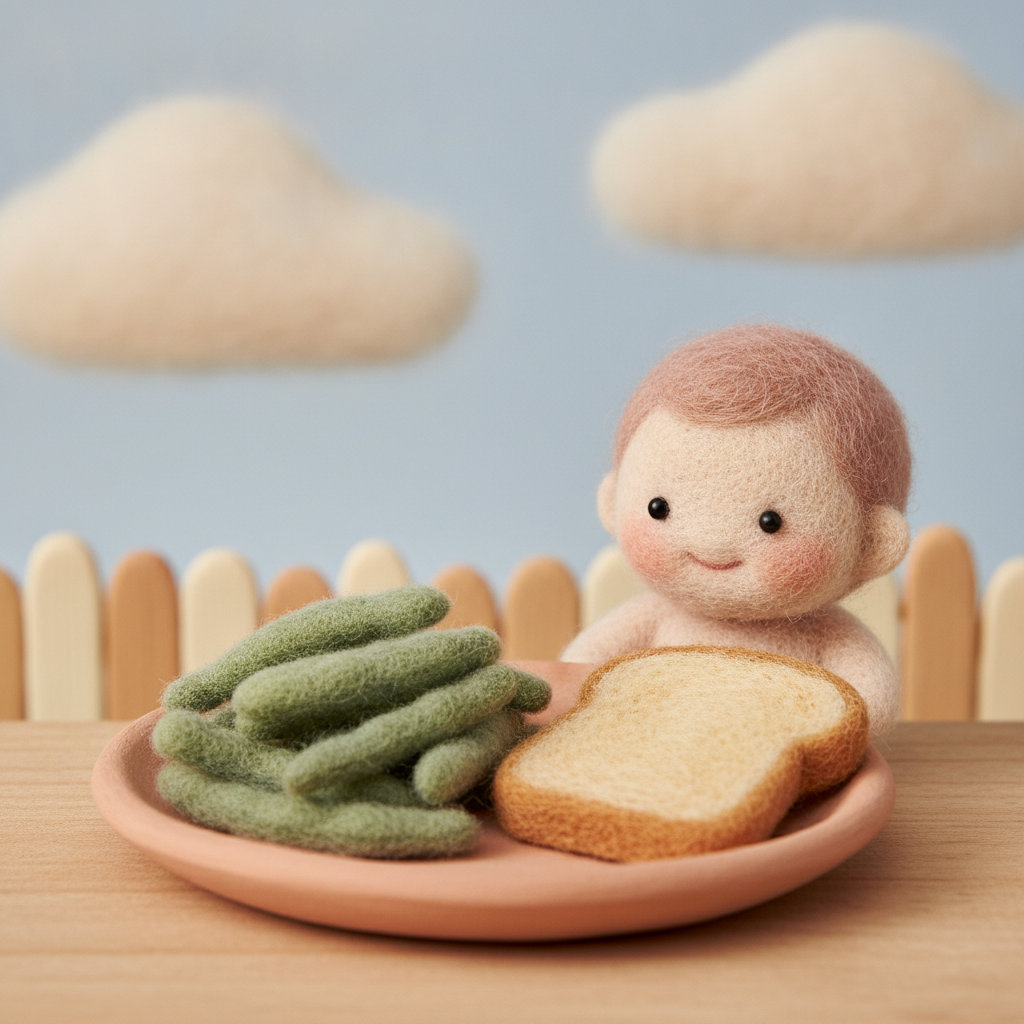
It happens in almost every household. Your 10-month-old happily eats avocado, salmon, and broccoli. Then, they turn 18 months old, and suddenly, they will only eat dry crackers and cheese, crying hysterically if a green bean touches their plate.
Parents often blame themselves, assuming they failed to expose their child to enough flavors.
However, pediatric dietitians and evolutionary biologists agree: sudden picky eating in toddlerhood is not a parenting failure. It is a biologically hardwired survival mechanism known as neophobia (the fear of new things).
Here is the clinical truth about why toddlers become picky eaters, how to differentiate normal pickiness from a medical feeding disorder, and the evidence-based strategies to fix it.
The Evolutionary Biology of Neophobia
To understand a toddler's eating habits, you must look at human evolution.
When a baby is crawling, they are usually within arm's reach of a caregiver. When a child becomes a toddler (around 18 to 24 months), they gain the physical ability to walk away from their parents and forage on their own.
From an evolutionary standpoint, if an ancestral toddler wandered off and eagerly ate a strange, new, bitter-tasting plant, they could die from poisoning. Therefore, humans evolved a protective mechanism: neophobia.
As toddlers become mobile, their brains automatically become highly suspicious of new or bitter foods (like vegetables). They biologically prefer sweet and carbohydrate-heavy foods (like fruit and bread) because those are universally safe, high-energy, and non-poisonous in nature.
Your toddler is not rejecting broccoli to spite you; their primitive brain is telling them the broccoli might be toxic.
Normal Pickiness vs. ARFID
While neophobia is normal, some children develop a severe medical condition called Avoidant/Restrictive Food Intake Disorder (ARFID) or pediatric feeding disorder (PFD).
Normal Pickiness:
- The child eats at least 30 different foods.
- They will eventually eat a food if they get hungry enough.
- They go through "food jags" (eating only one food for a week, then refusing it entirely), but eventually replace it with a new food.
When to Call a Doctor (Signs of a Feeding Disorder):
- The child eats fewer than 20 foods total.
- They drop foods from their diet and never replace them, constantly shrinking their "safe list."
- They gag, vomit, or have extreme panic attacks at the mere sight or smell of a new food.
- They lose weight or fall off their growth curve.
Clinical Strategies to Overcome Picky Eating
If your child is experiencing normal toddler neophobia, you must manage it correctly. If you pressure them, the temporary phase will harden into a permanent habit.
1. The Division of Responsibility
Adhere strictly to Ellyn Satter's Division of Responsibility. You decide what, when, and where to eat. The toddler decides whether and how much to eat. Never bribe, bargain, or play the "airplane game" to force a bite.
2. The "Safe Food" Rule
Every single meal must include at least one "safe food"—something you know the toddler will reliably eat (like a piece of bread or some fruit). This lowers their anxiety when they come to the table. If they only eat the bread and ignore the chicken, do not comment on it.
3. Exposure Without Pressure
It can take 15 to 20 exposures to a new food before a toddler will even taste it. An "exposure" does not mean eating it. Looking at it is an exposure. Touching it is an exposure. Licking it and spitting it out is an exposure.
- Serve a tiny, pea-sized amount of the rejected vegetable on their plate every night.
- Do not tell them to eat it. Do not even look at them while they interact with it.
- If they throw it on the floor, calmly say, "Food stays on the table or the 'no thank you' bowl," and move on.
4. Food Chaining
If your toddler only eats chicken nuggets, you cannot suddenly serve them baked salmon. You must use "food chaining"—making tiny, incremental changes.
- Start with their favorite dinosaur chicken nuggets.
- Change the brand (a new shape).
- Change the cooking method (bake instead of fry).
- Offer a homemade breaded chicken strip.
- Offer a grilled chicken strip. By making microscopic changes over weeks, you gently stretch their tolerance without triggering their neophobia.