Burnout & mental load
Parenting Stress and Burnout: How to Cope When You Feel Done
By Raised Editorial ·
When the mental load becomes too heavy, parenting stops feeling like a joy and starts feeling like a never-ending shift. Here is how to recognize the signs of parental burnout, and what you actually need to do to recover.
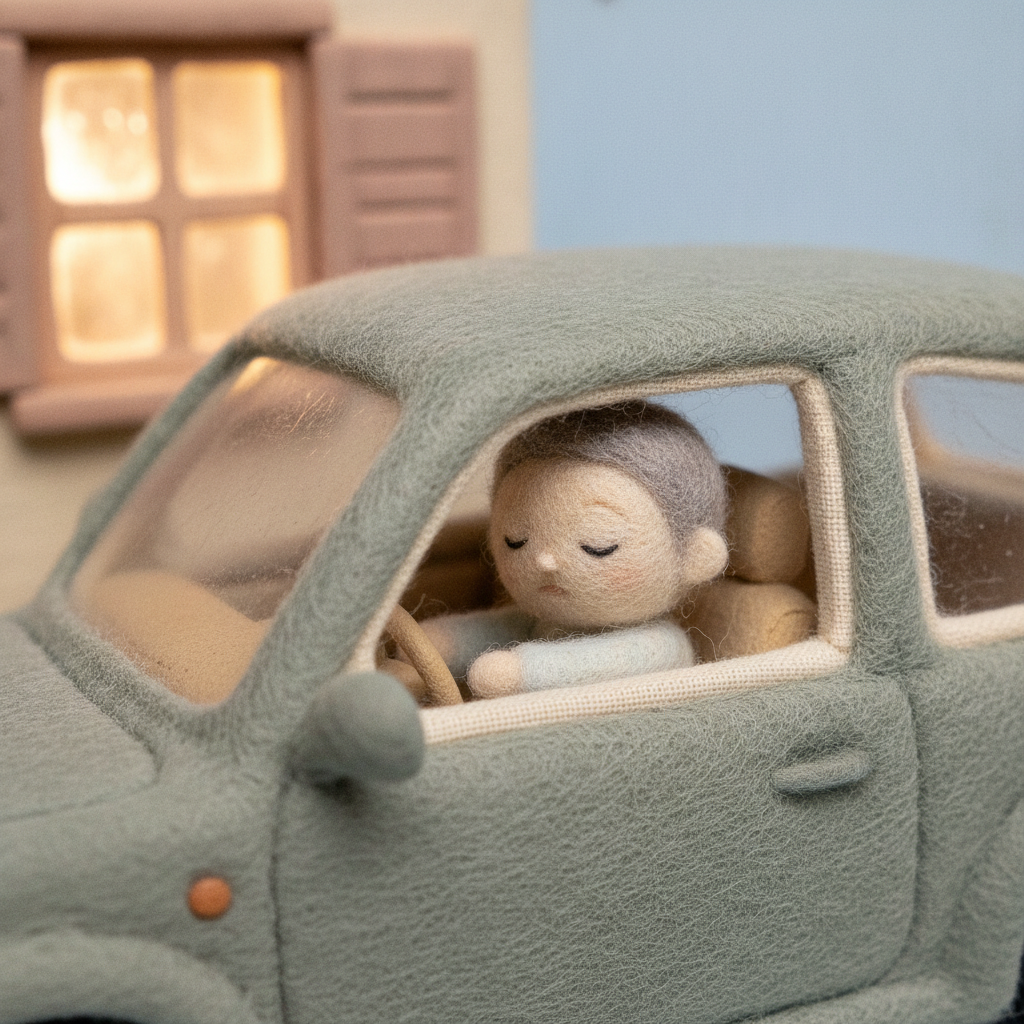
You are sitting in the car outside your house. The engine is off. You know you need to go inside, start dinner, referee the kids, and begin the bedtime routine. But you physically cannot open the car door. You just want ten more minutes of silence.
If you have ever felt this way, you are not a bad parent. You are experiencing parental burnout.
Parental burnout is more than just being tired. It is a profound physical, mental, and emotional exhaustion that leaves you feeling detached from your children and doubting your ability to be a good parent. And it is incredibly common.
The Warning Signs of Burnout
Burnout doesn't happen overnight. It is the result of prolonged, chronic stress—often fueled by the invisible "mental load" of remembering appointments, anticipating needs, and constantly shifting between work and family demands.
The signs that you have crossed from "stressed" to "burned out" include:
- Emotional distancing: You feel numb or disconnected from your children. You go through the motions of parenting (feeding, bathing) but struggle to muster any affection or joy.
- Overwhelming exhaustion: A full night of sleep doesn't fix it. The tiredness is deep in your bones.
- Loss of fulfillment: You no longer find any part of parenting rewarding.
- A shorter fuse: You find yourself snapping or yelling over minor infractions that you normally wouldn't notice.
Why "Self-Care" Isn't the Answer
When parents admit they are burned out, society often tells them to "take a bubble bath" or "practice self-care." This advice is not just unhelpful; it can feel insulting. You cannot bubble-bath your way out of chronic systemic exhaustion.
Burnout requires boundaries, not bath bombs.
1. Drop the Glass Balls
Imagine you are juggling dozens of balls. Some are made of plastic (they will bounce if you drop them) and some are made of glass (they will shatter). Your child's physical safety is glass. A home-cooked meal every single night is plastic. Sorting laundry into matching piles is plastic.
When you are burned out, intentionally drop the plastic balls. Serve cereal for dinner. Let the screen time limits slide for a weekend. Lower your standards to the floor until you catch your breath.
2. Share the Mental Load
If you have a partner, the division of labor often focuses on physical tasks (who does the dishes). But the mental task of noticing we are out of dish soap, putting it on the list, and remembering to buy it is just as exhausting. Sit down and explicitly assign entire categories of responsibility (e.g., "You are the project manager for all school lunches and doctor appointments").
3. Seek the Right Kind of Support
If you are feeling completely depleted, isolation makes it worse. The American Academy of Pediatrics emphasizes that reaching out is a sign of strength, not failure. Talk to a trusted friend who won't judge you, or join a support group.
If your burnout is leading to thoughts of harming yourself or your children, or if you feel completely hopeless, please contact your doctor or a mental health professional immediately. This is a medical crisis, and you deserve help.
You Are Still a Good Parent
Burnout lies to you. It tells you that because you are struggling, you are failing. The opposite is true. The reason you are burned out is because you care so much, and you have been trying so hard, for so long, without a break.
Taking time to recover isn't selfish. You are the engine of your family. The engine cannot run if it has no fuel.