School years
Parenting Through School Years: Emotions, Friendships, Learning, and Routines
By Raised Editorial ·
When your child starts school, the physical exhaustion of the toddler years is replaced by the emotional complexity of friendships, homework, and big feelings. Here is how to navigate the shift.
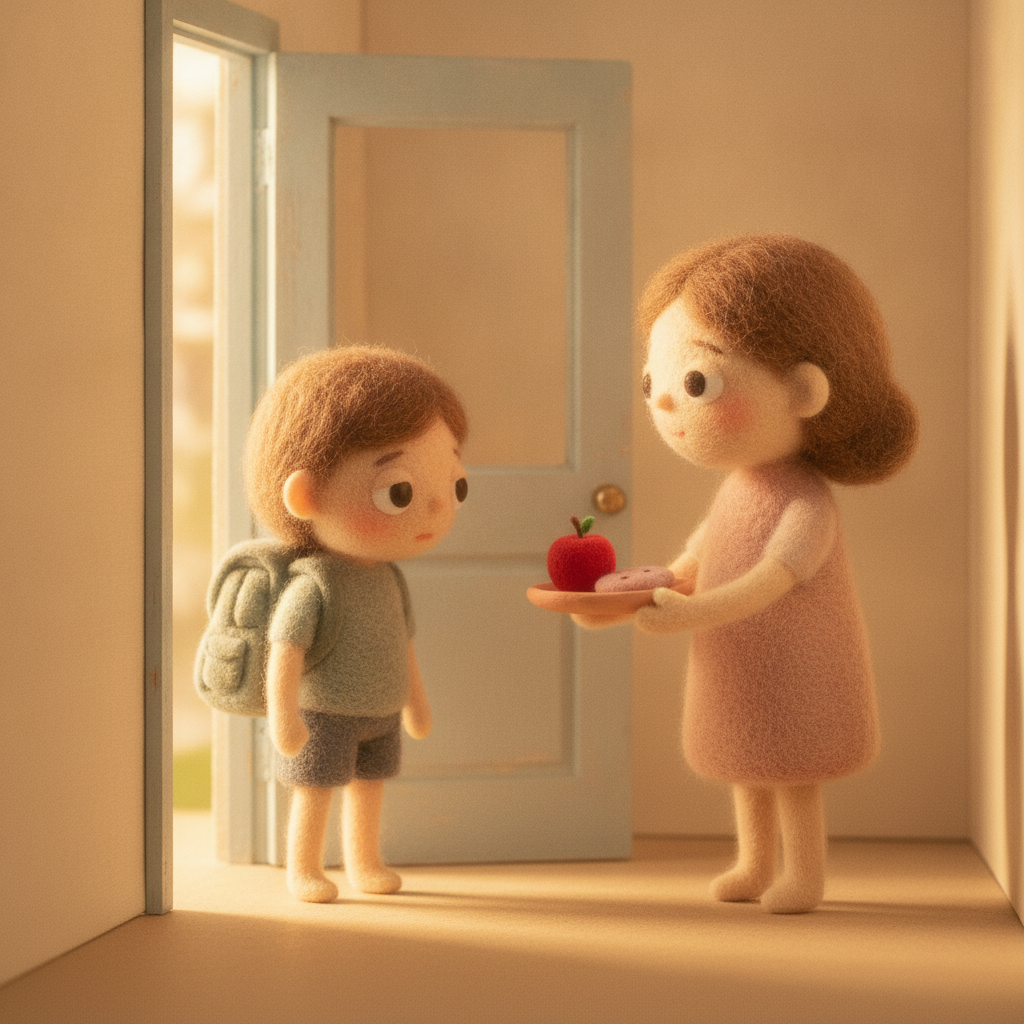
You watch them walk through the school gates with their oversized backpack, trying to look brave. A few hours later, they come out, get in the car, and immediately melt down because you bought the wrong brand of crackers.
Welcome to the school years. The physical exhaustion of carrying a toddler has ended, but it has been replaced by something much heavier: the emotional complexity of navigating a world that doesn't revolve around you.
The "After-School Restraint Collapse"
If your child is an angel for their teacher but a holy terror for you between the hours of 3 PM and 6 PM, you are experiencing what psychologists call the "after-school restraint collapse."
For six hours, your child has to share, sit still, follow complex instructions, and navigate playground politics. It requires immense cognitive and emotional control. By the time they see you—their safe space—they have no restraint left.
The fix? Don't ask "How was school?" the second you see them. Offer food immediately, lower your demands, and give them time to decompress before starting homework or chores.
Navigating Friendship Turbulence
In the preschool years, friendships are based on proximity: We both like the sandbox, let's be friends. In the school years, friendships become complex. They involve loyalty, exclusivity, and hurt feelings.
When your child comes home and says, "Nobody played with me today," your instinct is likely to fix it—to call the teacher or orchestrate a playdate. But the American Academy of Pediatrics advises that while children need our guidance, they also need the space to practice managing peer conflict themselves.
Instead of solving it, coach them. Validate the feeling first: "That sounds really lonely." Then, brainstorm together: "What could you try tomorrow if that happens again?"
The Homework Battleground
Homework is often the flashpoint for the worst fights in a household. If homework ends in tears every night, something needs to change.
Your job is not to ensure the homework is 100% correct; your job is to help them establish the routine of doing it. If a worksheet is taking three times longer than the teacher suggested and your child is dysregulated, close the book. Write a short note to the teacher explaining that you stopped after 20 minutes to preserve family harmony.
Building Independence
The ultimate goal of the school years is gradually transferring responsibility from you to them. A child cannot learn how to remember their gym kit if you always drive it to school when they forget.
Let them experience the natural consequences of minor failures while the stakes are still low. A forgotten lunchbox or a missed homework assignment in third grade is a powerful, safe teacher.
When to Seek Support
While social turbulence and occasional academic struggles are normal, watch for signs of deeper distress. Speak to your pediatrician or the school counselor if your child develops a persistent dread of going to school, shows a sudden change in eating or sleeping habits, or if their anxiety prevents them from participating in activities they used to love.
Parenting a school-aged child requires a shift in stance: you are no longer the manager of their every move. You are now a consultant, offering a safe harbor and steady guidance as they sail into the wider world.