Motor, language, cognitive & social milestones
Playgrounds: Nurturing Social Skills in Childhood
By Raised Editorial · ·
During middle childhood, the playground becomes a rich environment for developing social skills. Conflicts are not just drama but essential opportunities for growth. Discover how to support your child as they navigate this social classroom.
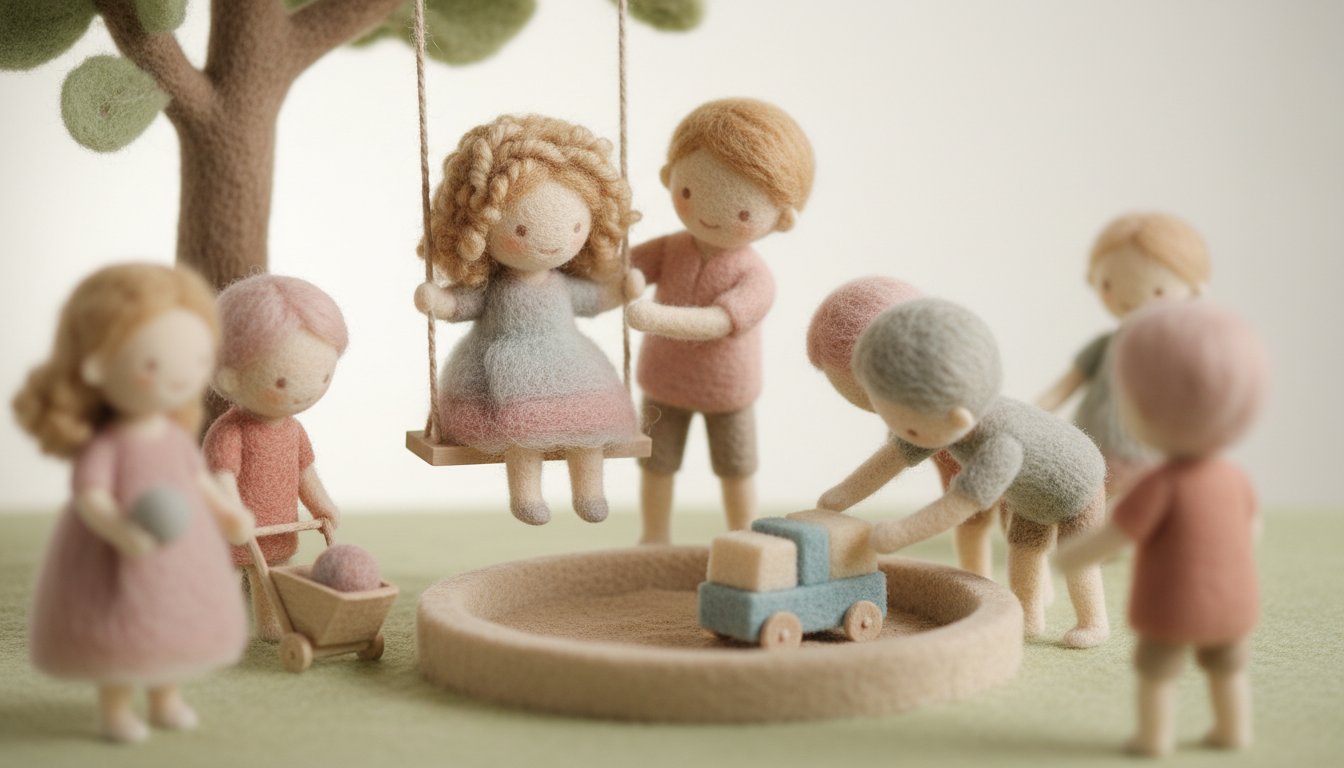
Picture your child stepping into the playground, a vibrant arena where the dance of social relationships begins. In middle childhood, ages 6 to 11, this space becomes a bustling laboratory where each conflict is a lesson in conflict resolution and empathy. Here’s how you can guide them through this vital stage.
The Shift in Social Dynamics
As children grow, their peer connections become increasingly important. What some might call "playground politics" is actually a complex tapestry woven with negotiation, exclusion, and leadership. Negotiating game rules, dealing with exclusion, and learning leadership are all part of this intricate process.
How Parents Can Support
Consider your child's social skills like a muscle that grows stronger with use. Here are some ways you can support them:
- The "Wait and See" Approach: Allow your child to navigate their own social conflicts when there's no risk of harm. This strengthens their "social muscle."
- Problem-Solving Framework: Encourage them to use "I statements" ("I feel hurt when you don't share the ball") to express feelings and foster communication over confrontation.
- Empathy Building: Ask questions like, "How do you think your friend felt when the game stopped?" to nurture emotional insight.
Knowing When to Step In
Sometimes, conflicts can become overwhelming. If persistent issues like bullying arise or your child is consistently distressed, it's time to collaborate with teachers or other parents. The goal is to shift from "fixing it for them" to "coaching them through it."
What You Can Do Today
- Encourage your child to express feelings with "I statements."
- Discuss the importance of empathy by asking reflective questions.
- Allow your child to handle conflicts independently, stepping in only when necessary.
- Collaborate with teachers if persistent conflicts arise.
A Final Thought
Social skills develop over a lifetime, composed through years of practice. Each playground conflict is a vital session in the science of human relationships. Embrace these moments as opportunities for growth and learning.