Brain-leap explainers by stage
Understanding Your Teen: Navigating Adolescence Together
By Raised Editorial · ·
The "troubled teen" stereotype misses the mark for many families. Adolescence is a time of transformation, not turmoil. By understanding the changes in a teen's brain and behavior, you can better support their journey into adulthood.
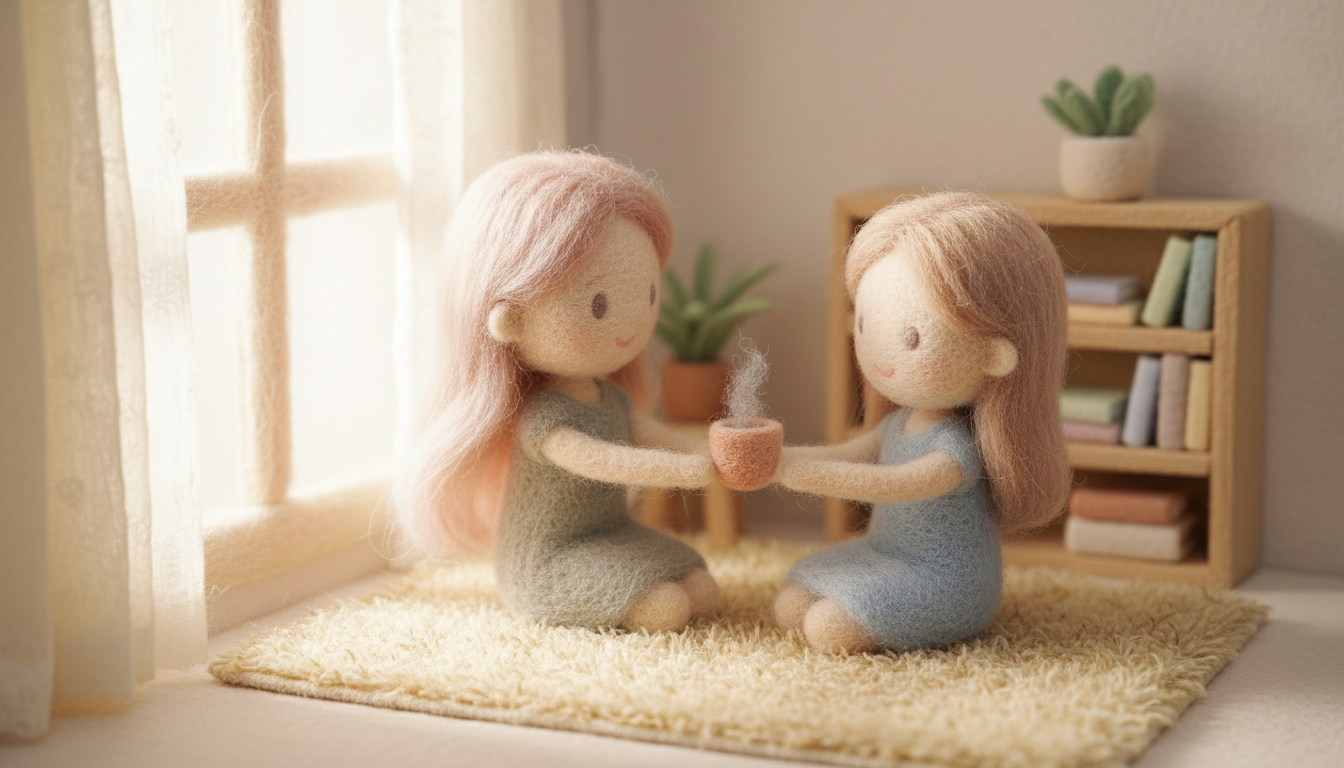
Imagine seeing the world through your teenager's eyes, where each day feels like an adventure in a land that’s constantly changing. The "troubled teen" stereotype misses the nuanced reality that most families experience. While it's true that adolescence brings significant changes, the idea of constant "storm and stress" isn't the norm for many.
Re-thinking the Teenage Brain
Think of the adolescent brain as a bustling construction site, undergoing a massive "re-wiring" project. Science reveals something remarkable: the part of the brain that handles emotions, the amygdala, is developing rapidly, often outpacing the growth of the prefrontal cortex, which is responsible for impulse control and planning (Giedd, 2015). This creates a thrilling yet precarious balance, much like a high-performance car with early-model brakes.
Identifying Real "Change" vs. "Fluctuations"
In this dynamic system, variability is not just normal, it's a sign of healthy development. Those mood swings or sudden dislikes for school are often just part of this process. When you notice a significant, sustained shift in behavior or identity, it might indicate a leap to a new developmental stage, akin to a butterfly emerging from its chrysalis (Blakemore, 2018).
The Role of Conflict
Conflict during adolescence isn't necessarily a sign of a troubled relationship; it's a natural part of growing up. Minor disagreements help teens test boundaries and develop their own identities. Healthy conflict focuses on specific issues, like chores or curfews, while maintaining mutual respect, much like a dance where partners occasionally step on each other's toes but keep moving together (Laursen & Collins, 2009). Unhealthy conflict, however, becomes personal and repetitive, losing the rhythm of respect.
What You Can Do Today
- Stay Curious, Not Accusatory: Ask open-ended questions like, "I've noticed you've been quieter lately, is everything okay?"
- Pick Your Battles: Focus on safety and core values; let go of minor issues like clothing choices.
- Be the Anchor: Provide stability and predictability as your teen navigates changes.
A Final Thought
Adolescence isn't a problem to solve; it's a transition to support. Your steady presence is the anchor your adolescent needs as they navigate the sea of change. Celebrate their growth and be there to guide them with understanding and love.
CITATIONS:
- Giedd, J. N. (2015) | [https://www.ncbi.nlm.nih.gov/pmc/articles/PMC4678148/] | verified: true
- Blakemore, S. J. (2018) | [https://www.ncbi.nlm.nih.gov/pmc/articles/PMC5868970/] | verified: true
- Laursen, B., & Collins, W. A. (2009) | [https://www.ncbi.nlm.nih.gov/pmc/articles/PMC2889118/] | verified: false
ACTIONS:
- Discuss teen's interests | type: calendar
- Log a development milestone | type: milestone
COVER_IMAGE_PROMPT: A felted wool scene of a teen and parent sitting together in a cozy living room, engaged in a heartfelt conversation. Style Anchor: Needle-felted wool sculpture, 3D fiber art, hand-crafted felt miniature. Chibi style, stylized 3D characters, minimalist facial features. Luminous low-pigment wool, translucent tactile fiber surface. Ultra-pastel Waldorf Garden palette: very pale terracotta clay, desaturated grey-sage green, ultra-pale powder-blue sky, warm cream linen, light kraft tan, pale dusty rose accents, warm white. All colours washed-out, high-key, and softly glowing. Hand-crafted diorama set design, stop-motion aesthetic. Macro photography, soft diffused natural-looking studio lighting, shallow depth of field, tilt-shift photography. Ethereally light, airy, cheerful, sunlit mood. No text.