Tantrums & meltdowns
Embracing the "Terrific Twos": Fostering Emotional Growth
By Raised Editorial · ·
The age of two is often seen as challenging, but it's actually a time of significant growth in independence and emotional understanding. This period, often called the "terrific twos," is crucial for nurturing your child's emotional development and resilience.
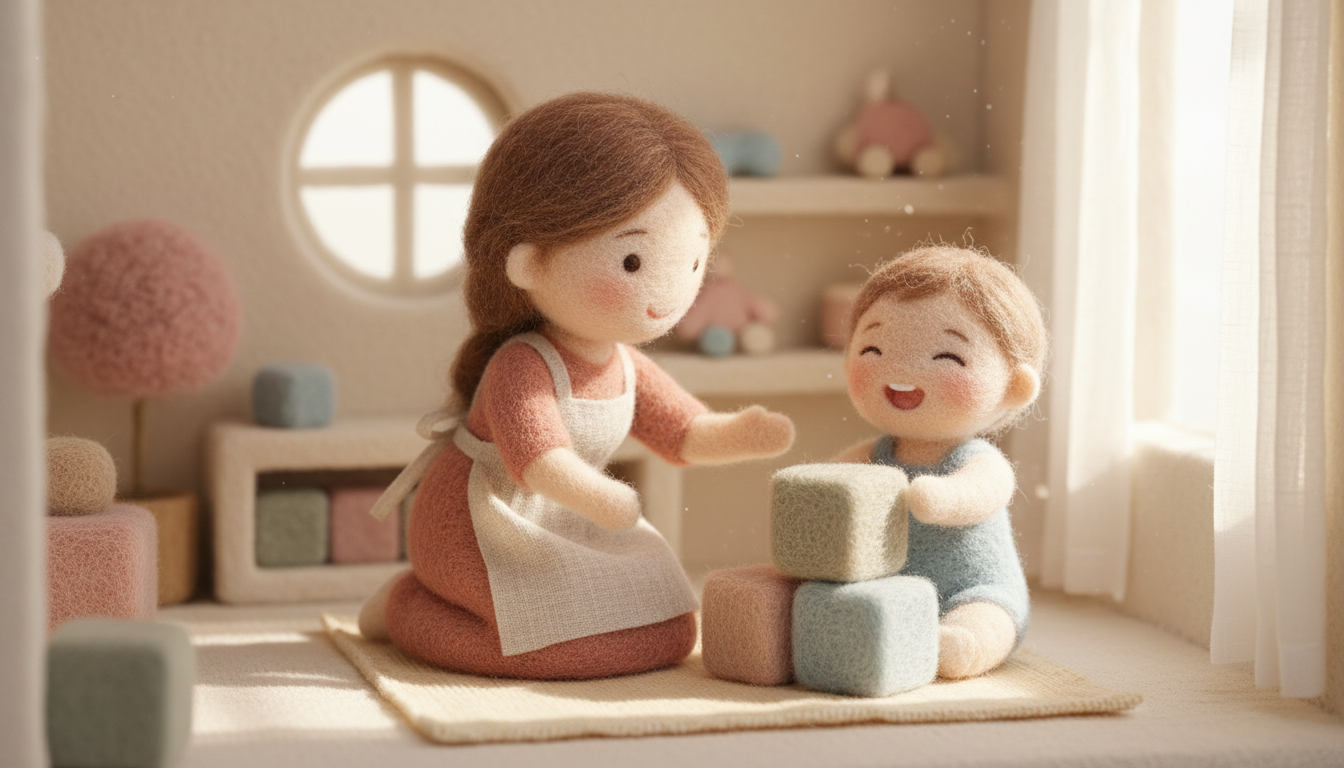
Imagine the first time your toddler steps into the vast world of emotions. Science reveals something beautiful: the age of two is less about being "terrible" and more about being "terrific"—a profound period of growing independence and emotional depth. Those tantrums you witness are not just outbursts but signs that your child's emotional brain is racing ahead of their logical brain.
The Gap: Why Tantrums Happen
Picture a small explorer navigating a vast emotional sea. Between the ages of 1 and 3, children experience big emotions like frustration, anger, and excitement. However, they lack the "anchors" in their prefrontal cortex to steady their ship. Their "upstairs brain" (logic) is still building connections to their "downstairs brain" (feelings).
Guiding Emotional Growth
- Co-regulation: Like a lighthouse guiding a ship, your calm presence helps your child find their way. They need to "borrow" your tranquility to regulate their own emotions. Stay close and let your voice be the soothing sound of safety.
- Validate Emotions: Instead of saying "don't cry," try reflecting their world back to them: "I can see you're really frustrated because the tower fell." This not only names the emotion but also invites the logical brain to join the conversation.
- Create a "Yes" Environment: Encourage exploration by toddler-proofing your home. This reduces frustration and the need to say "no," allowing them to sail smoothly through discovery.
Building Emotional Intelligence
When we guide toddlers through their emotional storms without judgment, we are building the foundation of emotional intelligence. Over time, those neural pathways will strengthen, transforming the "terrific twos" into a resilient child who navigates frustration with grace.
What You Can Do Today
- Stay Calm: Your calmness helps your child regulate their emotions.
- Acknowledge Feelings: Name and validate their emotions to help them understand.
- Encourage Exploration: Ensure a safe environment for your child to explore freely.
A Final Thought
The "terrific twos" are a remarkable journey of growth and discovery. Embrace this period with patience and empathy, knowing that your support is nurturing a foundation for emotional resilience that will last a lifetime.