Pregnancy
Hospital Bag Checklist for Labour, Birth, and Postpartum
By Raised Editorial ·
Packing your hospital bag can feel like preparing for an unknown expedition. Here is a practical, no-nonsense checklist of what you actually need for labour, birth, and those first hazy days postpartum.
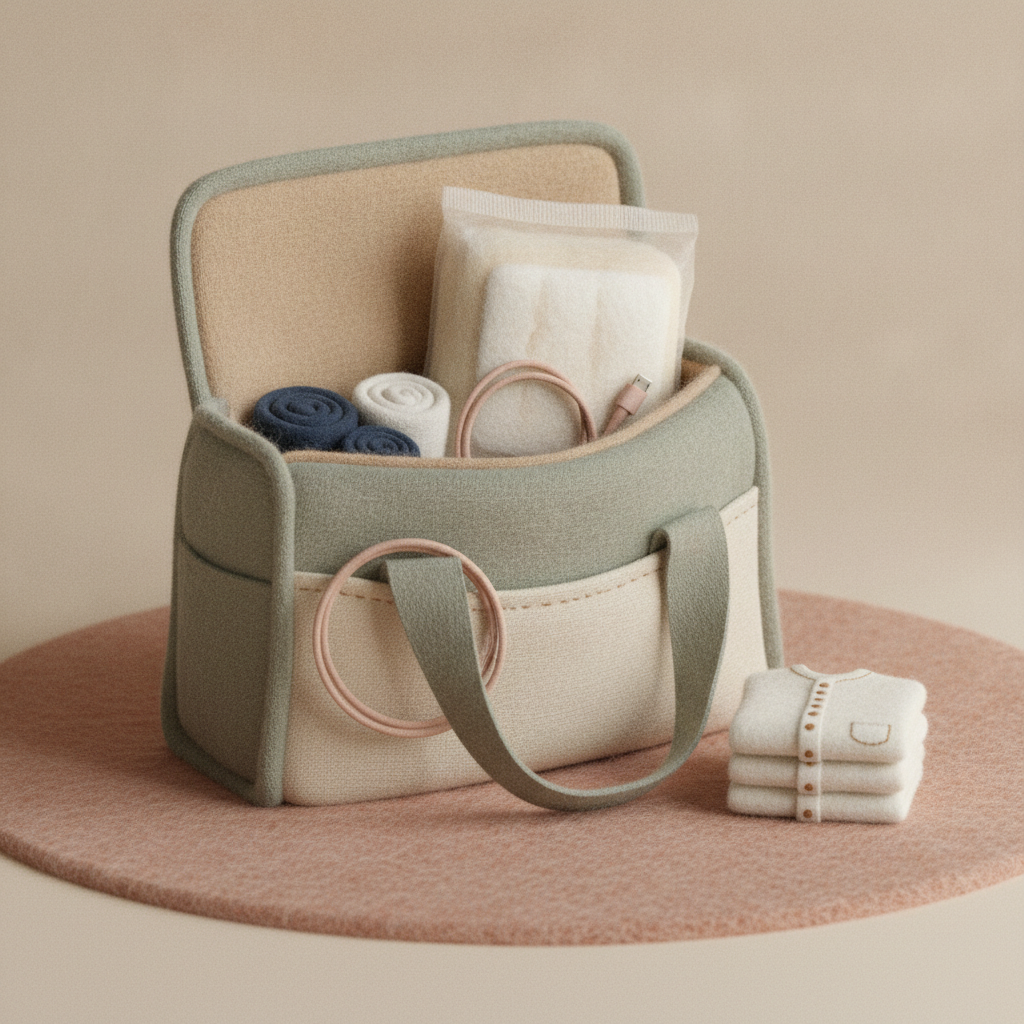
If you look at the hospital bag packing lists on Pinterest, you might think you are moving to a remote island for a month. You do not need to pack a matching silk robe set or a designer changing bag.
What you do need is a highly practical, easily accessible bag (or two) that will support you through the sweat of labour and the messiness of postpartum recovery. It is a good idea to have your bags packed by 36 weeks.
Based on NHS recommendations and the lived reality of birth, here is exactly what you should pack, divided into three categories.
1. The "Labour" Bag
This is the bag you want access to the moment you are admitted. Your birth partner should know exactly where everything in this bag is.
- Your maternity notes and birth plan: These are the most important items you will bring.
- An old, loose T-shirt or nightdress: Labour is messy and sweaty. Bring something you do not mind ruining.
- A TENS machine: If you are planning to use one for pain relief.
- Snacks and drinks: Labour is a marathon. Pack isotonic sports drinks, cereal bars, and easily digestible snacks (like bananas) for both you and your birth partner.
- A long phone charging cable: Hospital plug sockets are notoriously far from the beds.
- Lip balm and a hair tie: Gas and air (Entonox) can dry your lips out severely, and you will want your hair off your face.
- A portable fan or water spray: Labour wards are often kept very warm.
2. The "Postpartum Recovery" Bag
This is for after the baby is born, when you are recovering on the postnatal ward.
- Super-absorbent maternity pads: Do not buy regular sanitary pads; they are not thick enough. You will need 2 to 3 packs of heavy-duty maternity pads.
- Disposable or "granny" knickers: Pack several pairs of very large, dark-coloured, comfortable cotton underwear, or buy disposable maternity pants.
- A dark-coloured towel: Hospital towels are famously small and scratchy.
- Front-opening nightwear: Essential if you are planning to breastfeed.
- Toiletries: Travel-sized shampoo, shower gel, toothbrush, toothpaste, and deodorant. The first post-birth shower is legendary—make it a good one.
- Breast pads: Even if you aren't breastfeeding, your milk will come in, and you may leak.
- Comfortable clothes to go home in: You will still look about 5 months pregnant when you leave the hospital, so pack maternity leggings or loose joggers.
3. The "Baby" Bag
Keep this simple. Newborns do not need much in the first 48 hours.
- Nappies and wipes: One pack of newborn nappies and a pack of "Water Wipes" or cotton wool (for cleaning their delicate skin with warm water).
- Clothing: 3 sleepsuits (babygrows), 3 short-sleeved vests, a cardigan, a hat, and scratch mitts.
- Muslin squares: Essential for wiping up spit-up.
- A blanket: Hospitals can be drafty.
- An outfit to go home in: Including a warm snowsuit or jacket if it is winter.
- The car seat: You cannot legally drive your baby home without a properly fitted infant car seat.
Leave the valuables, large amounts of cash, and uncomfortable clothes at home. The goal is comfort, hydration, and survival.