Baby
Gentle Sleep Training Methods Explained
By Raised Editorial ·
Do you want to help your baby sleep independently without leaving them to cry alone? Here is a breakdown of the most popular 'gentle' sleep training methods.
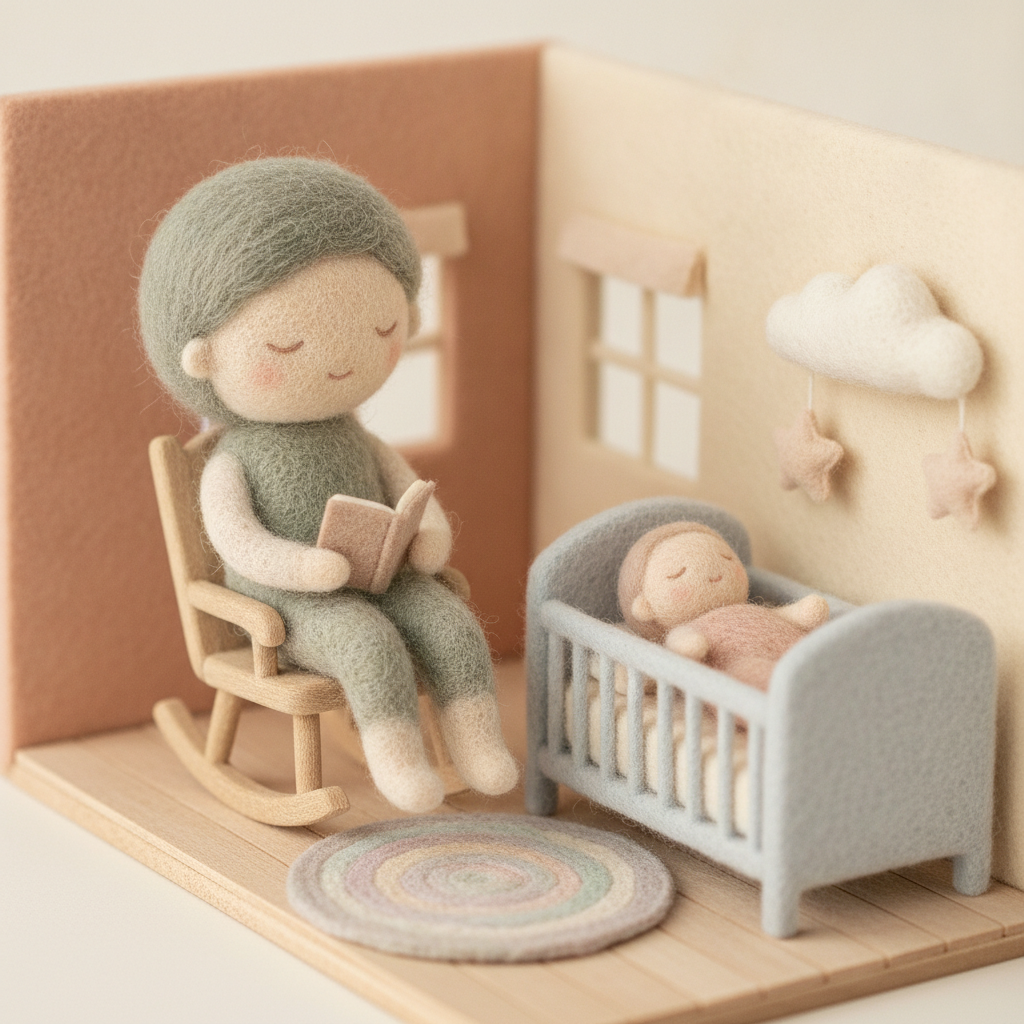
For many parents, the idea of leaving their baby to "cry it out" feels fundamentally wrong. They want to teach their baby the vital skill of independent sleep, but they want to do it while remaining physically present and emotionally available.
This is where "gentle" sleep training methods come in.
Gentle sleep training (also known as low-tears or high-intervention training) focuses on slowly fading the parent's presence over time. The goal is to gradually transfer the work of falling asleep from the parent to the baby.
While these methods result in fewer tears in the short term, parents must understand the trade-off: gentle methods take much longer (usually 2 to 4 weeks) and require intense, unwavering consistency.
Here are the three most popular gentle sleep training methods.
1. The Chair Method (The Sleep Lady Shuffle)
The Chair Method is the most famous gradual fade technique. It works best for babies over 6 months old who suffer from separation anxiety.
- How it works: You put the baby in the crib awake. Instead of leaving the room, you sit in a chair right next to the crib. You can offer verbal reassurance ("I'm right here, it's time to sleep") or occasionally pat their mattress, but you do not pick them up.
- The Fade: Every three days, you move the chair further away from the crib. First to the middle of the room, then to the door, then out into the hallway, until you are entirely out of sight.
- The Catch: For some highly sensitive babies, having you in the room but refusing to pick them up is actually more frustrating than if you left entirely. If this method makes your baby enraged, it might not be the right fit.
2. Pick Up, Put Down (PUPD)
Made popular by the "Baby Whisperer" Tracy Hogg, this method is ideal for younger babies (4 to 6 months) who are not yet capable of self-soothing without physical touch.
- How it works: You put the baby in the crib awake. If they start to cry, you wait a minute to see if they settle. If they escalate, you pick them up and soothe them just until they stop crying. The moment they are calm, but still awake, you put them back down.
- The Fade: You repeat this process as many times as necessary until they fall asleep in the crib. On the first night, you might pick them up 50 times.
- The Catch: This method is physically exhausting for the parent. You must have a strong back and incredible patience. It also becomes ineffective and overly stimulating for babies older than 7 months.
3. The Bedtime Fading Method
If your baby actively fights sleep for hours, their internal clock might be out of sync. Bedtime fading works by manipulating their sleep pressure rather than their environment.
- How it works: Instead of forcing a 7:00 PM bedtime, you temporarily move bedtime to the exact time they naturally fall asleep (even if it's 9:30 PM). You put them in the crib awake at this later time. Because their sleep pressure is so overwhelmingly high, they usually fall asleep quickly without crying.
- The Fade: Once they successfully fall asleep independently at 9:30 PM for a few nights in a row, you move bedtime 15 minutes earlier (to 9:15 PM). You continue inching bedtime earlier every few days until you reach your desired time (like 7:30 PM).
- The Catch: It requires detailed tracking of sleep times and can lead to a few weeks of late nights for the parents.
The Reality of "Gentle" Methods
It is important to set realistic expectations: there is no such thing as a "no-cry" sleep training method.
When you change a baby's sleep habits, they will protest. Crying is their only way of saying, "I don't like this change! I want to go back to the old way!"
Gentle methods do not prevent crying; they simply allow you to be present to support your baby while they cry, ensuring they always know they are safe and loved while they learn this new skill.