Feeding
First Foods for Babies: What to Offer and What to Avoid
By Raised Editorial ·
Gone are the days when bland rice cereal was the only acceptable first food. Discover the clinically recommended first foods that maximize nutrition, and the dangerous foods you must avoid.
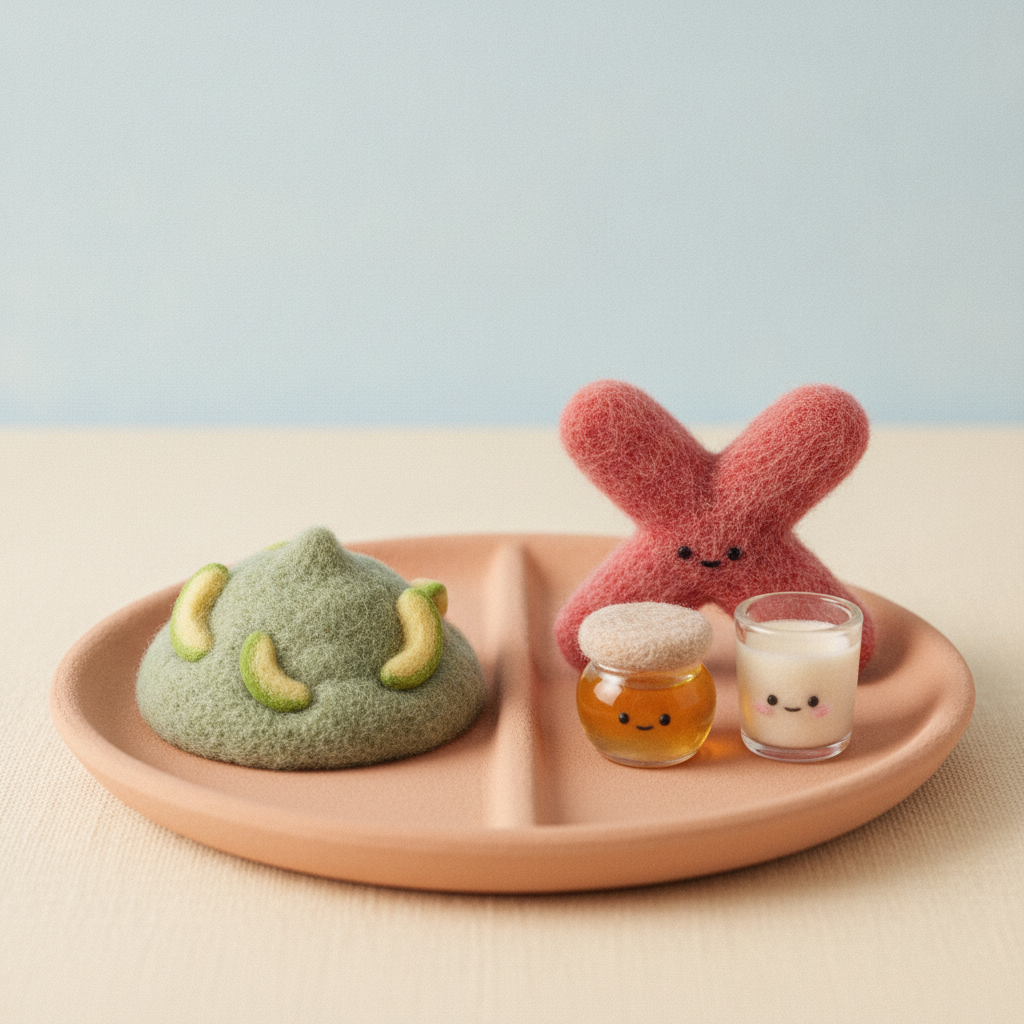
For decades, parents were given a strict, inflexible schedule for introducing solid foods: start with bland, iron-fortified rice cereal, wait a few weeks, introduce yellow vegetables, wait a month, and maybe try some fruit.
Modern pediatric nutrition has entirely abandoned this rigid approach. According to the American Academy of Pediatrics (AAP) and pediatric dietitians, there is no medical evidence that foods must be introduced in a specific, restrictive order.
Once your baby shows all the clinical signs of readiness (around 6 months of age), the world of food is remarkably open to them.
Here is a guide to the most nutritious first foods to offer, and the very few, but highly dangerous, foods you must avoid during the first year.
The Best First Foods to Offer
When choosing first foods, your primary goals are maximizing nutritional density (specifically iron and zinc) and providing safe sensory exposure.
1. Iron-Rich Foods
Around 6 months of age, the natural iron stores a baby built up in utero begin to deplete. Breast milk is notoriously low in iron. Therefore, iron is the most critical nutrient to introduce first.
- Options: Pureed or slow-cooked meats (beef, lamb, dark meat chicken), lentils, beans, or iron-fortified oatmeal (which has a better nutritional profile and less arsenic exposure than rice cereal).
2. Healthy Fats for Brain Development
A baby's brain doubles in size during the first year, and that rapid growth requires massive amounts of fat. Do not feed babies "low-fat" or "diet" foods.
- Options: Mashed avocado, full-fat unsweetened Greek yogurt (dairy is fine as a food, just not as a drink before age 1), and nut butters thinned out with breast milk or water.
3. Fruits and Vegetables
You do not need to delay fruits out of fear that your baby will "develop a sweet tooth" and refuse vegetables. Human breast milk is incredibly sweet; babies already have a biological preference for sweetness.
- Options: Roasted and mashed sweet potatoes, steamed broccoli florets, ripe bananas, and steamed carrots.
The "Never" Foods: What to Avoid Before Age 1
While the list of approved foods is vast, there are three categories of foods that are strictly forbidden before a baby's first birthday due to severe medical risks.
1. Honey (The Risk of Botulism)
Never give a baby under 12 months old honey. This includes raw honey, pasteurized honey, or honey baked into goods (like graham crackers). Honey frequently contains the spores of the Clostridium botulinum bacteria. An adult's mature digestive system easily destroys these spores. However, a baby's immature gut cannot. The spores will colonize the baby's intestines and produce a lethal neurotoxin, leading to Infant Botulism, which causes muscle paralysis and respiratory failure.
2. Cow's Milk as a Drink (Intestinal Bleeding)
While yogurt and cheese are fine, do not replace breast milk or formula with cow's milk before 12 months of age. Cow's milk contains high concentrations of proteins and minerals that severely stress a baby's immature kidneys. Furthermore, clinical studies show that drinking cow's milk before age 1 can irritate the lining of the stomach and intestines, causing microscopic bleeding that eventually leads to severe iron-deficiency anemia.
3. High Choking Hazards
Until a child is 4 years old, you must avoid foods that are round, firm, and roughly the size of a baby's airway (the size of a blueberry).
- Avoid: Whole grapes, cherry tomatoes, hot dogs cut into "coins," whole nuts, large globs of sticky peanut butter, popcorn, and hard candies. (Grapes and tomatoes must always be quartered lengthwise).
The "One New Food Every 3 Days" Rule
Historically, parents were told to wait 3 to 5 days between introducing new foods to monitor for allergic reactions.
Today, allergists recommend using this waiting period only for the Top 9 highly allergenic foods (like peanuts, eggs, or dairy). For low-risk foods like bananas, carrots, or chicken, you can introduce multiple new foods in the same week without fear.