Baby
Contact Naps: Are They Bad or Normal?
By Raised Editorial ·
Are you creating a 'bad habit' by letting your baby sleep on your chest? Here is the scientific truth about contact napping and why it is completely normal.
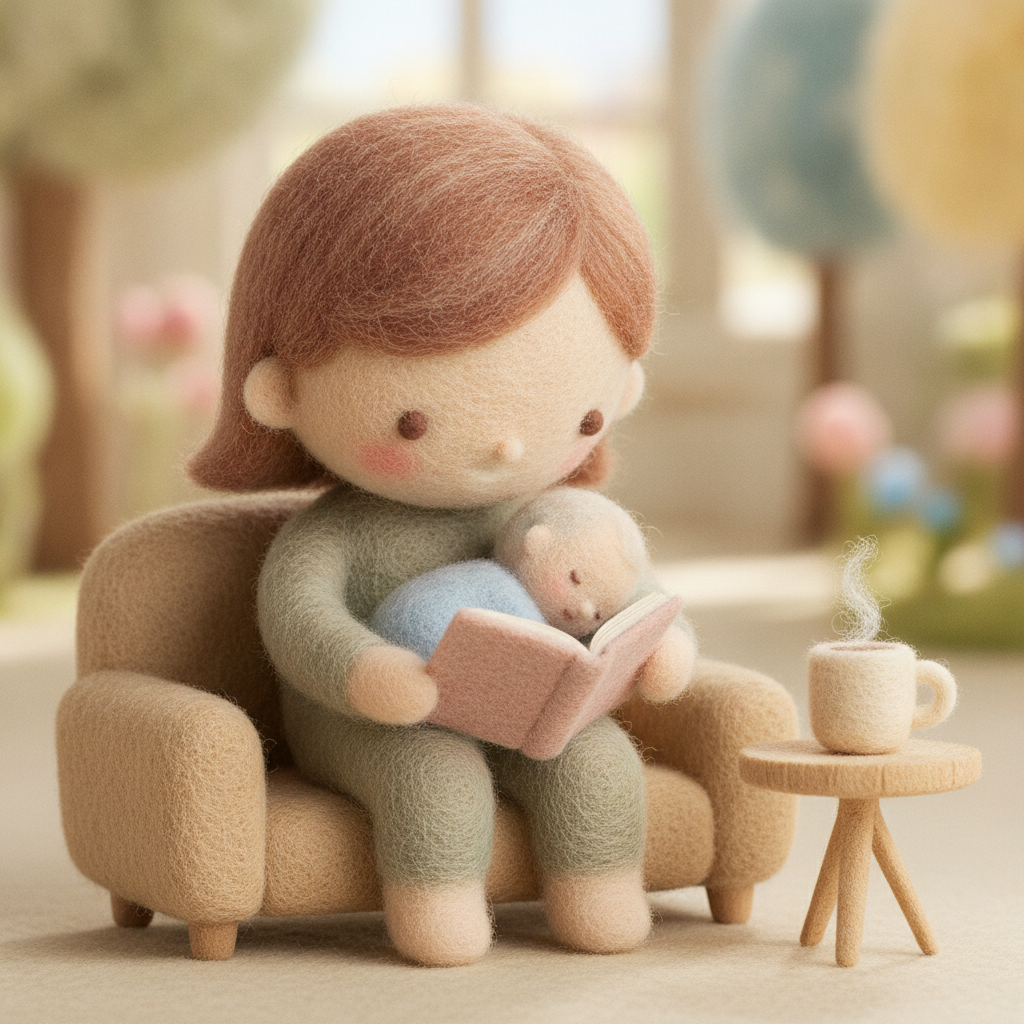
You are sitting on the sofa, trapped under a sleeping baby for the third time today. You want a glass of water. You want to use the bathroom.
Then, your mother-in-law (or a stranger on the internet) tells you: "You are making a rod for your own back. If you keep holding them for naps, they will never learn to sleep in a crib."
Panic sets in. Are you ruining your baby's sleep habits?
The short answer is: No. Contact napping is biologically normal, evolutionarily protective, and you cannot "spoil" a baby by holding them.
The Myth of the "Independent" Sleeper
The Myth: Babies should be able to fall asleep independently in a dark, quiet room from day one. If they need to be held, you have created a "sleep crutch."
The Reality: Humans are a "carrying species." Unlike baby deer that can stand within hours of birth, human infants are born incredibly immature. They rely on their parents for physical warmth, emotional regulation, and safety.
Your baby's nervous system is not fully developed. When they lie on your chest, your heartbeat, your breathing rate, and your body temperature physically regulate their heartbeat, breathing, and temperature. This is a scientific phenomenon called "co-regulation."
They do not want a contact nap because they are spoiled; they want it because your body is the only place they feel entirely safe.
Are Contact Naps Safe?
Contact naps are wonderful for bonding and co-regulation, but they must be done safely.
According to the American Academy of Pediatrics (AAP), the biggest risk of a contact nap is the adult falling asleep.
- The Sofa Rule: Never, ever fall asleep holding your baby on a sofa or an armchair. If you feel yourself drifting off, you must put the baby in a safe sleep space (like a bassinet), even if it means they wake up crying. Sofas are highly dangerous for sleeping infants due to the risk of the baby rolling into crevices and suffocating.
- Stay Awake: If you are contact napping, you must stay awake. Watch a show, listen to a podcast, or scroll on your phone.
How to Stop Contact Napping (When You Are Ready)
Eventually, you will want your arms back. You don't have to stop contact naps all at once.
- Start with the First Nap: The first nap of the morning is usually when the "sleep drive" is highest. Try putting the baby in their crib for just this one nap.
- The "Practice" Crib: Let the baby fall asleep on you, and then practice the transfer. If they wake up immediately, try to settle them in the crib for 5 minutes. If it doesn't work, pick them up and finish the nap on you.
- Accept Short Naps: A crib nap will almost always be shorter than a contact nap. A 30-minute crib nap is developmentally normal. Do not view it as a "failure" just because they would have slept for two hours on your chest.
Enjoy the snuggles if you love them. End them if you need a break. But never let anyone make you feel guilty for holding your baby.