Play as brain-building
Supporting Learning with Gentle Guidance
By Raised Editorial · ·
Discover how to give just the right amount of support to help your child's learning flourish without taking over. This approach helps them develop independence and confidence.
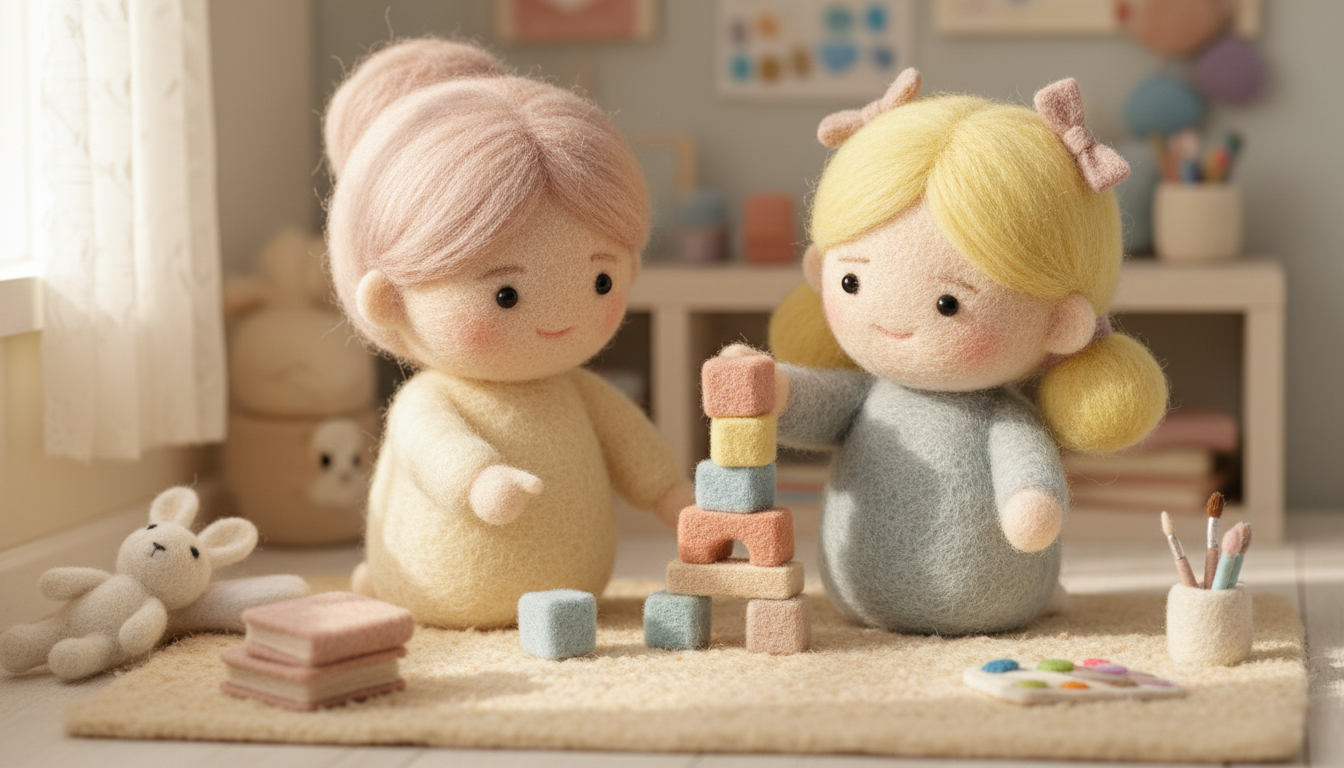
Imagine a vine climbing a trellis. The trellis doesn’t make the vine grow, nor does it do the growing for it. Instead, it provides the structure needed for the vine to reach new heights. In parenting, this concept is known as Cognitive Scaffolding.
Scaffolding for Growth
Cognitive scaffolding is about giving "just enough" assistance. Doing a task for your child prevents learning, while leaving them entirely alone might lead to frustration. The magic happens in the middle—a gentle nudge that allows them to succeed through their own effort. Behind every simple game lies an opportunity to build this scaffolding. Your aim is to be the trellis, not the vine.
Try this today: When your child struggles with a puzzle or toy, rather than showing them the answer, offer a descriptive hint. Say, "I see you're looking for a blue piece," or "I wonder what would happen if we turned this over." See if that small nudge is enough for them to find their way.
Are you doing the work, or building the trellis?
What You Can Do Today
- Offer hints instead of answers when your child is puzzled.
- Encourage problem-solving by asking open-ended questions.
- Be patient and allow your child to explore solutions independently.
- Celebrate small successes to build their confidence.
A Final Thought
Remember, your role is to guide, not to lead. By offering just the right amount of support, you help your child grow into a confident and capable learner. Each small nudge you give is a step toward their independence.