Milestones
Child Development Milestones: What to Expect and When to Ask for Help
By Raised Editorial ·
Milestones aren't a race to be won, they are a window into your child's brain. Learn what actually matters in child development, how to spot the early signs of a delay, and why early intervention is your best tool.
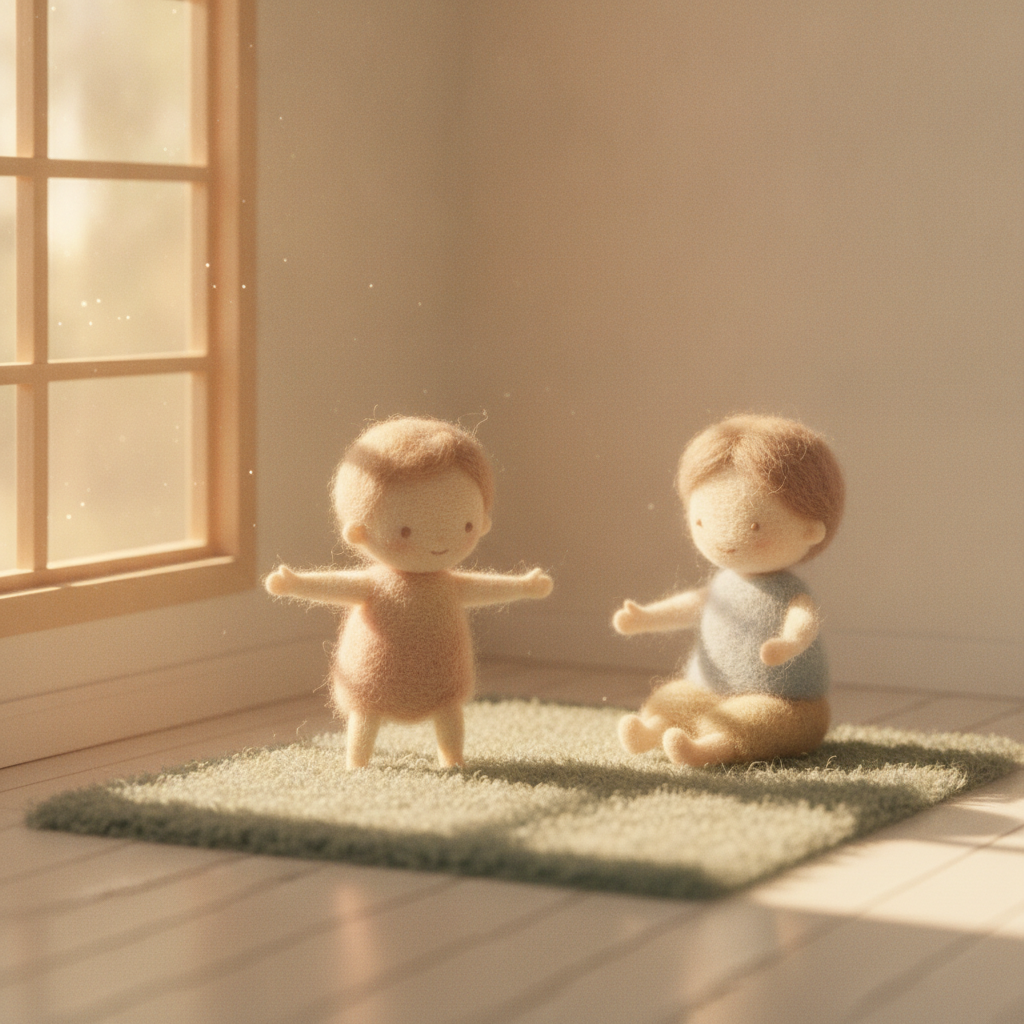
In the age of social media, it is almost impossible not to compare your child to the one on your screen. When another baby is walking at ten months, and yours is perfectly content sitting on their bottom at fourteen months, the panic sets in: Is my child behind?
Child development is a spectrum, not a rigid timetable. While milestones provide a helpful map of what to expect, children rarely travel in a straight line. Here is a practical guide to understanding milestones and knowing when to ask for help.
The Development Spectrum
Every child develops at their own pace, influenced by genetics, environment, and their unique temperament. Some children are deeply focused on motor skills—they want to move, climb, and run—but might be a little slower to speak. Others are observers who absorb language rapidly but have little interest in crawling until much later.
When pediatricians look at milestones, they are looking for a general upward trajectory across four main areas: physical (gross and fine motor), cognitive (learning and problem-solving), communication (speech and non-verbal), and social-emotional skills.
Why We Don't Just "Wait and See"
While a wide range of "normal" exists, there is a risk in adopting a strict "wait and see" approach if you have genuine concerns.
Neuroplasticity—the brain's ability to reorganize and form new connections—is at its absolute peak during the first three years of life. This means that if a child is experiencing a developmental delay, early intervention (like speech therapy, physical therapy, or occupational therapy) is incredibly effective.
Catching a delay early doesn't mean something is permanently "wrong" with your child. Often, it just means they need a different teaching method to unlock a skill.
When to Talk to Your Pediatrician
You do not need to wait for your next scheduled well-child visit if you are worried. The American Academy of Pediatrics recommends raising concerns if you notice any of the following:
- A loss of skills: If your child used to say a few words, or used to make eye contact, and has suddenly stopped doing so. Any regression in skills warrants a check-in.
- No response to their name: By 12 months, a child should consistently turn or respond when you call their name.
- No pointing or sharing interest: By 14 to 16 months, children should point to show you things they find interesting (joint attention).
- No walking by 18 months: While the average is 12-14 months, 18 months is the outer edge of the typical range.
- Your "Parent Instinct": You know your child better than anyone. If your gut says something is off, trust it enough to ask the question.
How to Support Development at Home
The best "therapy" for a developing brain is remarkably simple: play, talk, and read. You do not need expensive flashcards or educational apps. Narrating your day ("I am washing the red apple"), playing on the floor, and giving them the freedom to safely explore their environment are the strongest developmental boosters available.