School readiness & the school years
Nurturing a Child's Scientific Curiosity
By Raised Editorial · ·
Curiosity in children is about more than facts; it's a way of thinking. Encourage your child's natural wonder by observing, questioning, and exploring ideas. These moments can nurture a lifelong love for learning and resilience.
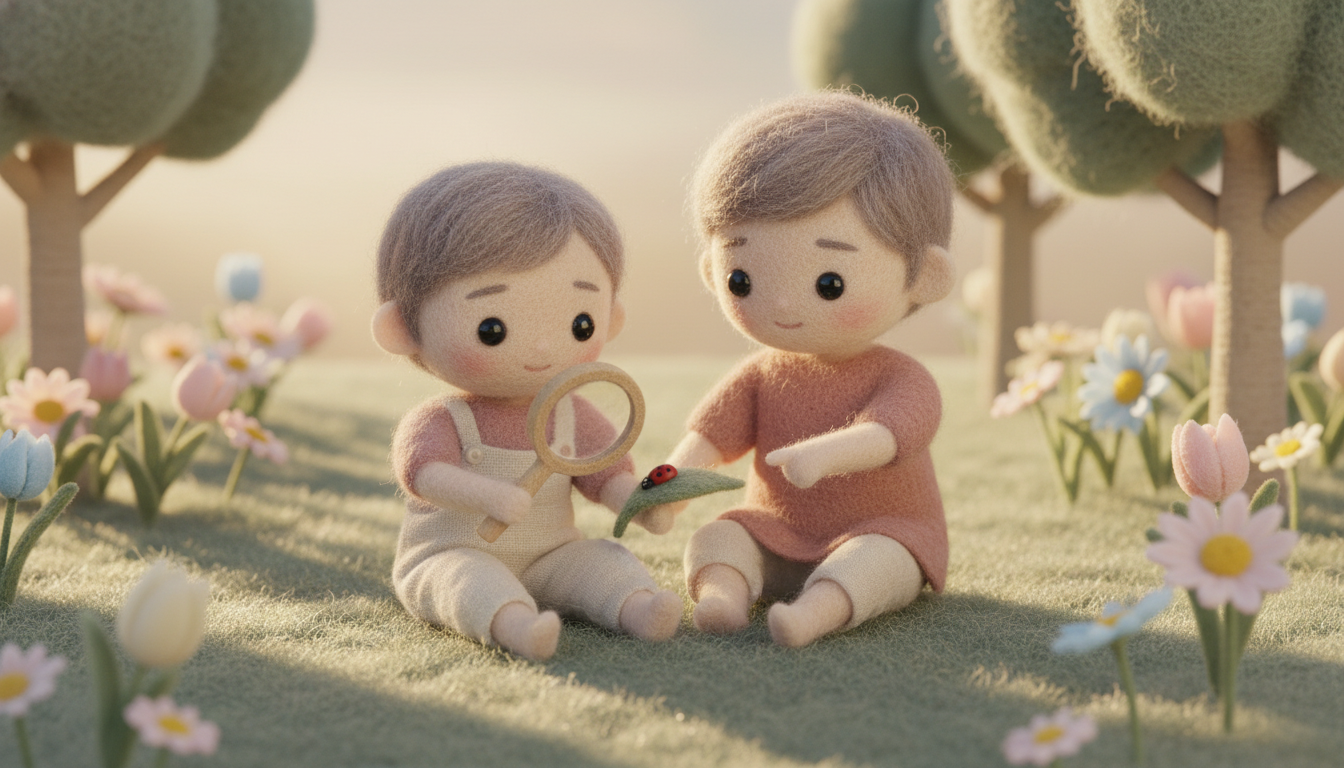
Picture the moment your child looks up at the sky and asks, "Why is the sky blue?" That spark of curiosity is the essence of scientific thinking. It's not about memorizing facts, but about observing, questioning, and exploring the world with wonder. These moments are the seeds of a scientific mindset.
The Core of Scientific Thinking
Scientific thinking is closely related to critical thinking and executive function. These mental processes help your child:
- Observe: Like a detective, noticing details and patterns.
- Hypothesize: Crafting stories about why things happen.
- Experiment: Trying new things to see what unfolds.
- Refine: Changing ideas based on new information.
How to Support Inquiry at Home
- Encourage Questions: When your child wonders about something, ask them what they notice. This helps them explore and discover answers themselves.
- Embrace the Mess: Every experiment, even a messy one, is a learning opportunity. Mixing colors or building towers teaches valuable lessons.
- Use Scientific Vocabulary: Integrate words like observe, predict, and experiment into conversations. It shows them that science is a process they're already part of.
The Long-Term Benefit
When children approach challenges as experiments rather than failures, they build resilience. This mindset fosters creativity and persistence, essential for navigating their future. As their guide, you are helping them lay the foundation for a lifetime of curiosity and learning.
What You Can Do Today
- Encourage your child to ask questions and explore their environment.
- Guide them to discover answers rather than providing them directly.
- Use scientific terms in everyday conversations to familiarize them with scientific processes.
A Final Thought
By nurturing your child's curiosity, you're not just teaching them about science; you're helping them develop a mindset that values learning and resilience. Celebrate their questions and the joy of discovery, knowing you're fostering a lifelong love for learning.