Baby
Bedtime Routine for Babies: A Simple Plan That Actually Helps
By Raised Editorial ·
A good bedtime routine is not about spa-like relaxation; it is a neurological cue that tells your baby's brain to start producing melatonin. Here is a simple, effective plan.
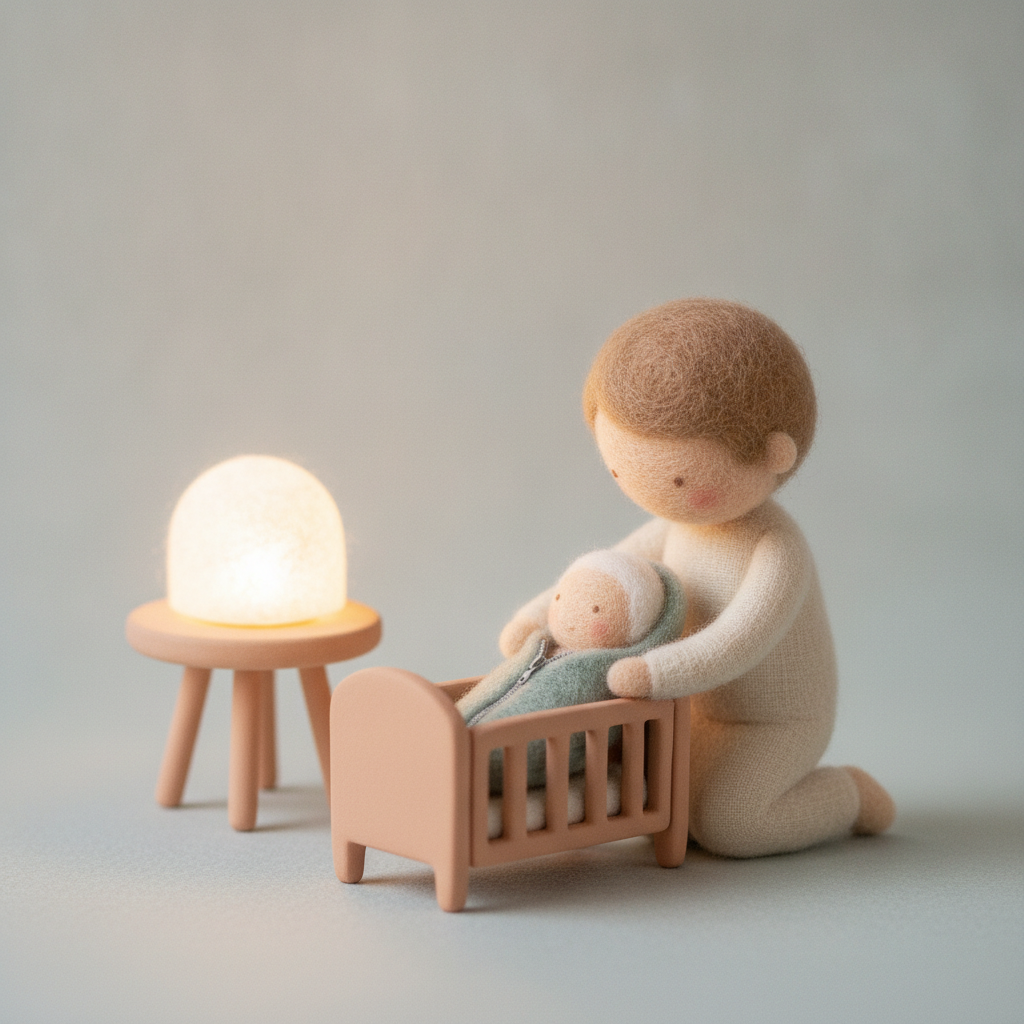
When parents hear "bedtime routine," they often picture a spa-like experience: a warm lavender bath, baby massage, soft lullabies, and peaceful rocking.
While that sounds lovely, it is often unrealistic for an exhausted parent on a Tuesday night. More importantly, it completely misses the biological purpose of a bedtime routine.
For a baby, a bedtime routine is not about "relaxation." It is a neurological cue. It is a sequence of events that tells their brain: "The day is over. It is time to stop producing adrenaline and start producing melatonin."
Here is how to build a simple, effective bedtime routine that actually helps your baby sleep, without taking an hour of your evening.
The Goal: Consistency Over Complexity
Your baby does not care if their lotion smells like lavender. They care about predictability. They thrive on knowing exactly what happens next.
A bedtime routine should take no longer than 20 to 30 minutes. If it takes longer, your baby is likely to become overtired during the routine itself, triggering a spike in cortisol that will make them fight sleep.
Step 1: The Transition (5 Minutes)
Start by signaling that daytime is ending.
- Turn off all screens in the house (blue light suppresses melatonin).
- Dim the main lights in the living room.
- Say "goodnight" to their toys or to the house. This sounds silly, but it provides closure for a busy toddler or older baby.
Step 2: Hygiene (5 to 10 Minutes)
You do not need to bathe your baby every night. In fact, daily baths can dry out their sensitive skin.
- Bath nights: Keep it brief and business-like.
- Non-bath nights: Simply wipe their face and hands with a warm washcloth.
- Put on a clean diaper and pajamas.
Step 3: Feeding (10 Minutes)
If you are feeding your baby before bed, this is the time to do it.
- Crucial Rule: To prevent a "sleep association," the feed should not be the very last thing that happens before they go in the crib.
- Feed them in a dimly lit room, but keep them awake. If they fall asleep on the breast or bottle, gently wake them up by tickling their toes or unzipping their pajamas.
Step 4: The Final Cue (2 Minutes)
This is the most important step. It is the final, predictable action that happens in their sleep environment just before they close their eyes.
- Take them into their bedroom.
- Turn on the white noise machine.
- Put on their sleep sack.
- Read one short board book or sing one short song. Keep your voice low and monotonous.
- Turn out the lights, say a consistent phrase (e.g., "It is time for sleep, I love you"), and place them in the crib drowsy but awake.
Troubleshooting the Routine
- They scream during the routine: If your baby starts crying the moment you put their pajamas on, they are likely overtired. The routine itself has become a trigger for anxiety. Try moving the entire routine 15 minutes earlier tomorrow.
- They get a "second wind": If they suddenly become hyperactive, you have missed their sleep window. They are running on an adrenaline spike. Keep the routine moving, keep the lights low, and remain incredibly boring.