Feeding
Bottle Refusal: Why It Happens and How to Help
By Raised Editorial ·
You have a freezer full of milk and you need to go back to work, but your baby is screaming at the sight of a bottle. Here is the clinical reason behind bottle refusal and how to overcome it.
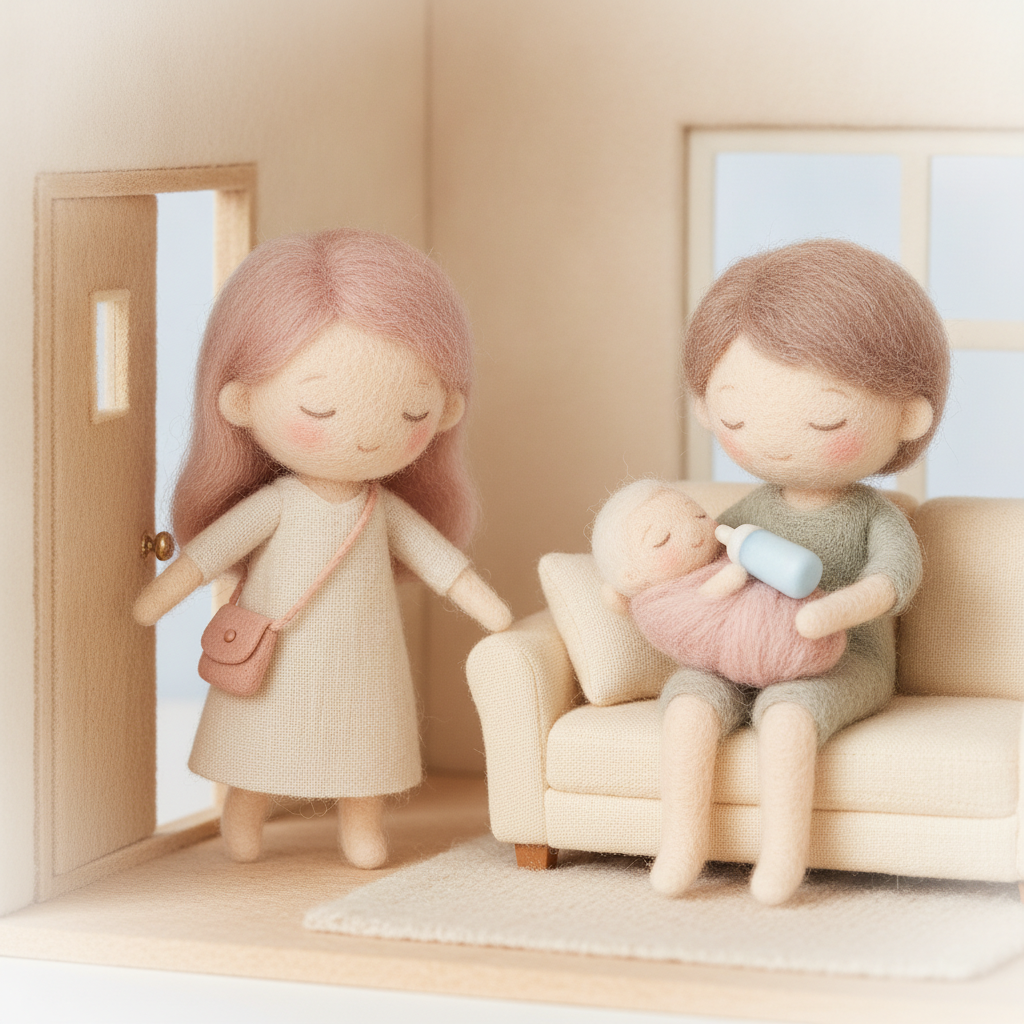
For a breastfeeding parent, the moment a baby refuses a bottle is a moment of pure panic. The looming deadline of returning to work, or simply the desperate need to leave the house for a few hours, suddenly feels impossible.
Bottle refusal is incredibly common, especially if a baby is exclusively breastfed for the first two to three months of life and is suddenly introduced to a bottle.
Parents often assume the baby simply "hates the taste" of the milk in the bottle or is being stubborn. In reality, bottle refusal is usually a mechanical issue related to the baby's developing oral reflexes, or a sensory issue related to the presence of the mother.
Here is a clinical guide to understanding why bottle refusal happens and the proven strategies to overcome it.
The Mechanics: Why Babies Reject the Bottle
Around 8 to 12 weeks of age, a baby undergoes a major neurological shift.
When they are born, sucking is an involuntary, innate reflex. If you put anything in a newborn's mouth (a breast, a bottle, a finger), their brain automatically triggers a sucking motion.
However, between 2 and 3 months of age, this involuntary reflex fades. Sucking becomes a voluntary, conscious action. If a 10-week-old baby has only ever nursed from a soft, warm breast, and you suddenly put a firm, cold silicone nipple into their mouth, they now have the cognitive ability to recognize it as a foreign object and consciously refuse to suck.
Furthermore, the mechanics of drinking from a bottle are entirely different than the breast. Breastfeeding requires a deep, wide latch and a sweeping motion of the tongue. Bottle feeding requires a narrower latch and a different tongue position. If a baby hasn't learned this secondary mechanical skill early on, they don't know how to extract milk from the bottle.
Strategy 1: The "Bait and Switch"
If the baby is violently rejecting the bottle while fully awake, you can try to bypass their conscious refusal by introducing the bottle when they are drowsy and their innate sucking reflexes are heightened.
- The Dream Feed: Wait until the baby is asleep. Gently rouse them just enough that they open their mouth, and slip the bottle in. Often, they will instinctively begin drinking before they are awake enough to realize it is not the breast.
- The Mid-Feed Switch: Begin nursing the baby at the breast. Once they trigger a let-down and are actively drinking and relaxed, break the suction with your finger and quickly slip the warm bottle nipple into their mouth.
Strategy 2: Remove the Mother from the Premises
Babies possess an incredibly acute sense of smell. They can smell their mother's milk and pheromones from across the room.
If the breastfeeding mother is the one trying to give the bottle, the baby is highly likely to refuse it. The baby's biological instinct is: "Why are you giving me this plastic thing when the real thing is right there?"
- The Fix: The mother must leave the room, and ideally, leave the house. The partner or caregiver should offer the bottle. The mother should not even be within earshot, as the baby will hold out for the breast if they know it is an option.
Strategy 3: Change the Mechanics
If the baby gags on the bottle or chews the nipple without extracting milk, it is a mechanical issue.
- Change the Nipple Shape: If you are using a standard narrow bottle, try a wide-neck bottle that mimics the slope of a breast (like a Comotomo or Lansinoh). Conversely, if you are using a wide bottle and the baby has a high palate, they may prefer a narrower, longer nipple (like Dr. Brown's).
- Warm the Nipple: Run the silicone nipple under hot water before offering it so it mimics body temperature.
- Touch the Palate: When offering the bottle, do not just shove it in. Tickle the baby's upper lip with the nipple. When they open wide, point the nipple up toward the roof of their mouth (the hard palate). Touching the palate stimulates the sucking reflex.
What NOT to Do
Never try to "starve them out." Do not withhold the breast for 12 hours under the assumption that they will eventually take the bottle if they get hungry enough. A stubborn baby will genuinely let themselves become dehydrated, which is a medical emergency.
Practice with the bottle when the baby is calm and slightly hungry, not starving and frantic. If they refuse after 10 minutes, stop, offer the breast, and try again the next day.