Feeding
9 Month Feeding Schedule: What a Full Day Can Look Like
By Raised Editorial ·
At 9 months, your baby's caloric needs begin to shift. The transition from one meal to three requires a careful balancing act to ensure milk intake does not drop prematurely. Here is a clinical scheduling framework.
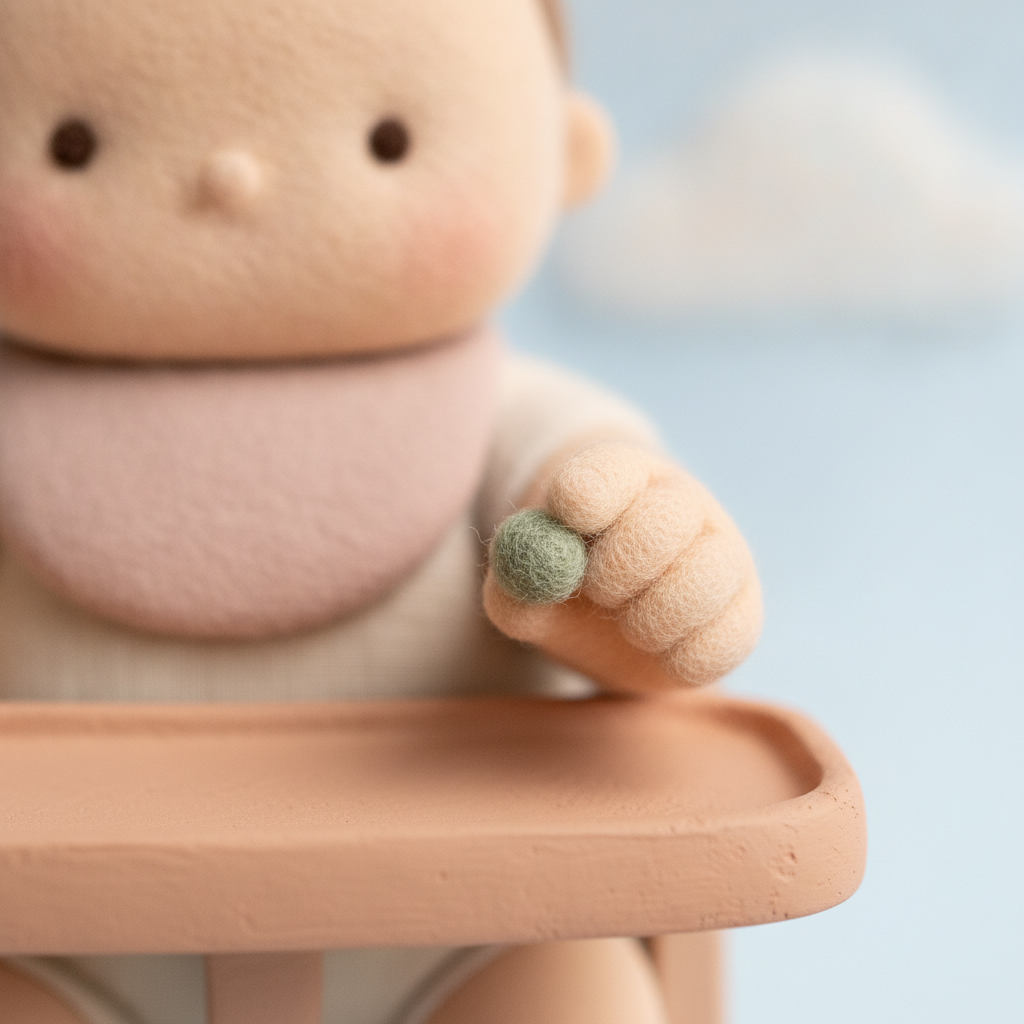
By 9 months of age, your baby has likely been practicing with solid foods for a few months. They have moved past the initial phase of simply licking purees off a spoon or throwing broccoli on the floor, and are beginning to actually swallow significant amounts of food.
This marks a crucial transition point in infant nutrition. Between 9 and 12 months, a baby must slowly shift from receiving 100% of their calories from breast milk or formula, to receiving roughly 50% of their calories from solid table foods.
To facilitate this transition, clinical feeding therapists recommend moving a 9-month-old from one meal a day up to three meals a day.
However, you must balance these three solid meals with their continuing requirement for breast milk/formula (typically 24 to 32 ounces a day) and two long naps. Here is a clinical framework for structuring a 9-month-old's day.
The "Pincer Grasp" Milestone
Around 9 months, babies develop a critical fine motor skill: the pincer grasp. This is the ability to use the thumb and index finger to pick up small objects.
If you have been feeding your baby purees, 9 months is the absolute latest deadline to introduce "finger foods." According to the American Academy of Pediatrics (AAP), delaying the introduction of lumpy textures and finger foods past 9 months is heavily linked to the development of oral-motor delays and severe picky eating later in toddlerhood.
Your 9-month meals should heavily feature small, soft pieces of food (like peas, black beans, or diced soft fruit) that the baby must pick up and feed to themselves.
The 9-Month Schedule Framework
At 9 months, most babies are awake for 3 hours at a time, take 2 naps a day, and eat 3 solid meals.
Crucially, milk must still be offered before solids. You should aim to leave roughly 60 to 90 minutes between a milk feed and a solid meal, ensuring the baby is hungry enough to eat the solids, but not so ravenous that they become frustrated.
Here is what a typical, well-structured day looks like:
- 7:00 AM – Wake Up & Milk Feed #1: Offer a full feed of breast milk or formula immediately upon waking.
- 8:30 AM – Solid Meal 1 (Breakfast): Offer foods rich in healthy fats and iron (e.g., scrambled eggs, iron-fortified oatmeal, or full-fat yogurt).
- 10:00 AM – Nap 1: (Usually lasts 1.5 hours).
- 11:30 AM – Wake Up & Milk Feed #2: Full feed upon waking.
- 1:00 PM – Solid Meal 2 (Lunch): A great time for exploring new textures and allergens.
- 2:30 PM – Nap 2: (Usually lasts 1.5 hours).
- 4:00 PM – Wake Up & Milk Feed #3: Full feed upon waking.
- 5:30 PM – Solid Meal 3 (Dinner): Dinner should be offered early enough that the baby is not overly tired. This is a great time to offer modified versions of whatever the rest of the family is eating.
- 7:00 PM – Bedtime Routine & Milk Feed #4: The final full feed of the day before sleep.
(Note: Breastfed babies may still wake 1-2 times during the night for additional feeds. If a baby drops a daytime milk feed, you may need to add a "snack" feed before a nap to maintain caloric intake).
Managing the Mess and the Frustration
Feeding a 9-month-old three times a day is exhausting for parents.
- The Mess is Mandatory: At this age, babies learn about the physics of food by smashing it, dropping it, and smearing it on their face. This tactile exposure is clinically necessary for them to accept different textures. Put a plastic mat under the highchair and embrace the chaos.
- Gagging is Normal: As they learn to manipulate finger foods with their tongue, they will gag. Gagging is a safe, noisy, forward-moving reflex. (Choking is silent). Do not panic and pull the food out of their mouth; let them work it out.
- Do Not Force It: If they throw the entire lunch on the floor after 5 minutes, do not force-feed them a puree just to get calories in. End the meal calmly. They will simply drink more milk at the next feed to compensate.