Baby
8 Month Sleep Regression: Why Sleep Falls Apart Again
By Raised Editorial ·
Just as you settle into a solid 2-nap routine, the 8-month regression hits. Triggered by crawling, pulling to stand, and fierce separation anxiety, here is how to handle the disruption.
You made it through the 4-month transition. You survived the 6-month teething phase. You finally have a baby who takes two predictable naps a day and sleeps decently at night.
Then, month 8 arrives, and the wheels completely fall off.
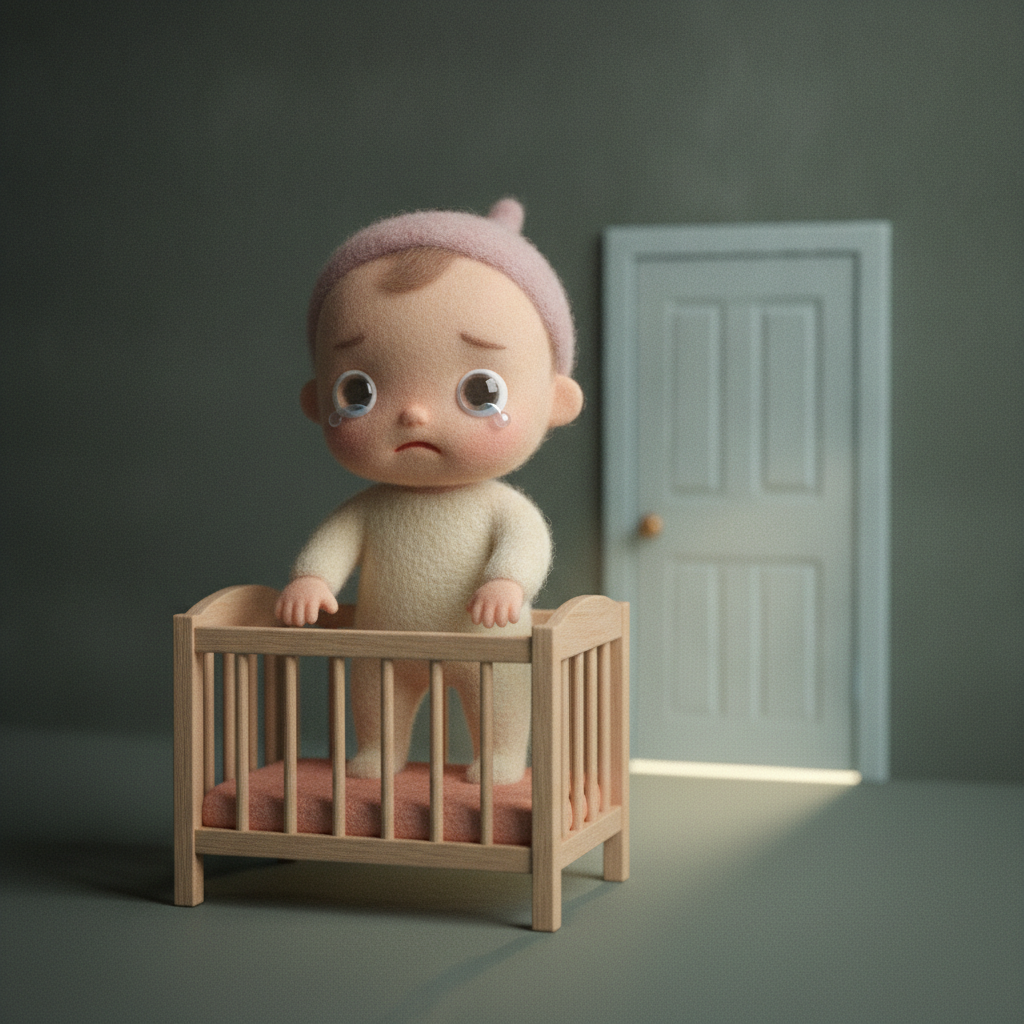
Your baby might start screaming the moment you leave the room at bedtime. They might wake up at 2 AM, pull themselves up to a standing position in the crib, and refuse to lie back down.
The 8-month sleep regression (which can happen anywhere between 8 and 10 months) is widely considered one of the most exhausting regressions. Here is why it happens and how to survive it.
Trigger 1: Major Motor Skills
Around 8 to 10 months, babies hit a cluster of massive physical milestones. They learn to crawl properly, they learn to pull themselves up to a standing position, and they might start cruising along furniture.
Their brains are heavily prioritized on practicing these skills. If they wake up between sleep cycles at night, their first instinct is to practice standing up. The problem? They often know how to pull themselves up, but they haven't yet learned how to sit back down.
- How to fix it: During the day, play the "up and down" game. Help them pull to a stand, and then gently bend their knees to show them how to safely return to the floor. If they are stuck standing in the crib at night, go in, gently pat the mattress, and help them lie down. Keep interactions brief and boring.
Trigger 2: Separation Anxiety
This is the hallmark of the 8-month regression. At this age, babies develop "object permanence"—the understanding that objects and people continue to exist even when they cannot be seen.
Previously, out of sight meant out of mind. Now, when you walk out of the nursery and close the door, your baby knows you are still out there, and they are terrified that you are not coming back.
- How to fix it: Play "Peek-a-Boo" frequently during the day to reinforce that when you disappear, you always come back. At bedtime, do not try to "sneak out" without them noticing; this breaks trust and increases anxiety. Say a cheerful, confident goodbye. If they cry, you can use a gentle sleep training method (like the Ferber method or Chair method) to reassure them of your presence without doing the sleeping for them.
Trigger 3: The 3-to-2 Nap Transition (If Not Done Yet)
If your baby is still trying to take three naps a day at 8 months, they are likely severely undertired at bedtime. This leads to "split nights," where the baby wakes up at 3 AM and is happily awake for two hours.
- How to fix it: It is time to officially drop the third nap. A typical 8-month-old needs about 3 to 4 hours of awake time before bed. Ensure they are getting enough physical activity during those wake windows so they are genuinely tired when their head hits the mattress.
Stick to Your Boundaries
Because separation anxiety is so fierce at this age, it is very easy to accidentally create new sleep crutches. If you bring them into your bed or start rocking them to sleep because you feel guilty about their anxiety, they will quickly expect this every night.
Offer extra comfort, be patient with their new physical skills, but maintain your boundaries. The regression usually lasts 3 to 6 weeks. If you stay consistent, they will return to their good sleep habits once the developmental storm passes.