Baby
4 Month Sleep Regression: What It Is and How Long It Lasts
By Raised Editorial ·
Just when you thought your baby was finally sleeping through the night, everything falls apart. Here is the biological reason the 4-month sleep regression happens, and why it is actually a good thing.
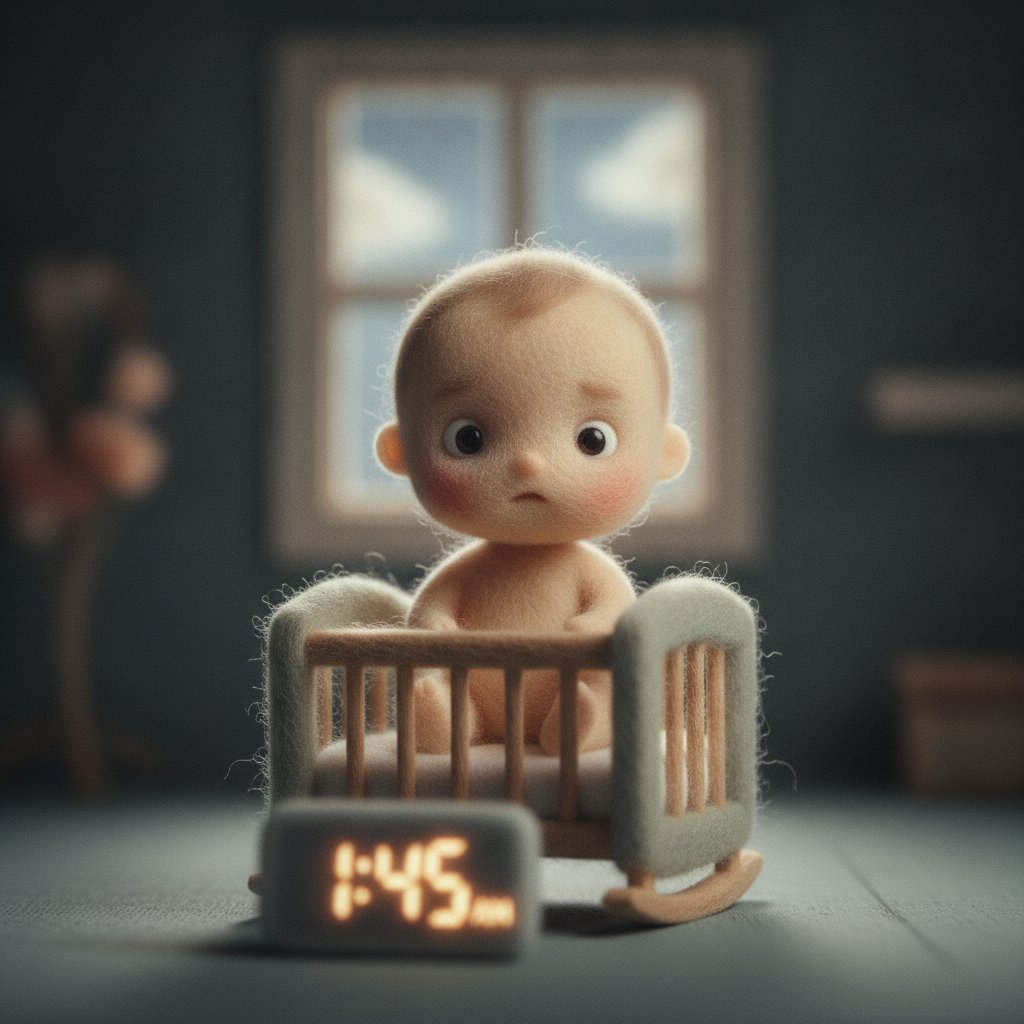
You did it. Your baby is three months old, and they are finally giving you glorious, five-hour stretches of sleep at night. You feel like a human again. You tell your friends, "I think we have a good sleeper!"
And then, right around the four-month mark, it all falls apart. Your baby starts waking up every 45 minutes, crying inconsolably, and refusing to nap.
You haven't done anything wrong. Your baby isn't broken. You have hit the infamous 4-Month Sleep Regression.
While it feels like a massive step backward, this "regression" is actually one of the most important neurological milestones in your baby's life. Here is the science behind what is happening and how to survive it.
The Biology of the Regression
To understand the 4-month regression, you have to understand how newborn sleep works.
Newborns only have two stages of sleep: deep sleep and active sleep. They spend most of their time in deep sleep, which is why a 2-month-old can sleep through a loud dinner party.
However, around 4 months of age, a massive neurological shift occurs. Your baby's brain matures, and their sleep cycle permanently changes to match an adult's sleep cycle. Instead of two stages, they now have four stages of sleep (ranging from light to deep).
The "Waking Up" Problem
Because they now have adult sleep cycles, your baby wakes up slightly between every single cycle (about every 45 to 60 minutes). Adults do this too! But adults know how to roll over, pull up the covers, and go back to sleep without remembering it.
Your 4-month-old does not know how to go back to sleep on their own.
If they fell asleep in your arms while drinking milk, and then wake up 45 minutes later alone in a cold, flat crib, they panic. From their perspective, the environment changed while they were sleeping. They cry out for you to recreate the exact conditions that put them to sleep in the first place (rocking, feeding, holding).
How Long Does It Last?
This is the hard truth: The 4-month sleep regression is permanent.
It is not a temporary phase like a growth spurt. Their sleep architecture has changed forever. The "regression" part (the constant waking and crying) lasts until the baby learns how to connect their sleep cycles independently.
For some babies, this takes 2 weeks. For others, it takes 6 weeks. For a few, it doesn't resolve until parents actively change their sleep habits.
How to Survive and Move Forward
- Practice the "Drowsy But Awake" Transfer: To stop the constant night wakings, your baby needs to learn to fall asleep in the crib. Start putting them in the crib when their eyes are drooping, but not completely closed. Let them do the final step of falling asleep on their own.
- Break the Sleep Associations: If you always feed your baby to sleep, they will demand milk every 45 minutes when they wake up. Move the feeding to the beginning of the bedtime routine, separated from sleep by a book or a song.
- Optimize the Sleep Environment: Because they now spend more time in "light sleep," they are easily woken up. Ensure the room is pitch black (use blackout curtains) and keep the white noise machine running all night.
The 4-month sleep regression is exhausting, but it is proof that your baby's brain is growing and developing perfectly. You are simply transitioning from surviving newborn sleep to establishing healthy, long-term childhood sleep habits.