Baby
12 Month Sleep Regression: Nap Trouble, Separation Anxiety, and Night Waking
By Raised Editorial ·
Just as you prepare to celebrate their first birthday, your baby might stop sleeping. The 12-month regression is characterized by nap refusals and separation anxiety. Here is how to handle it.
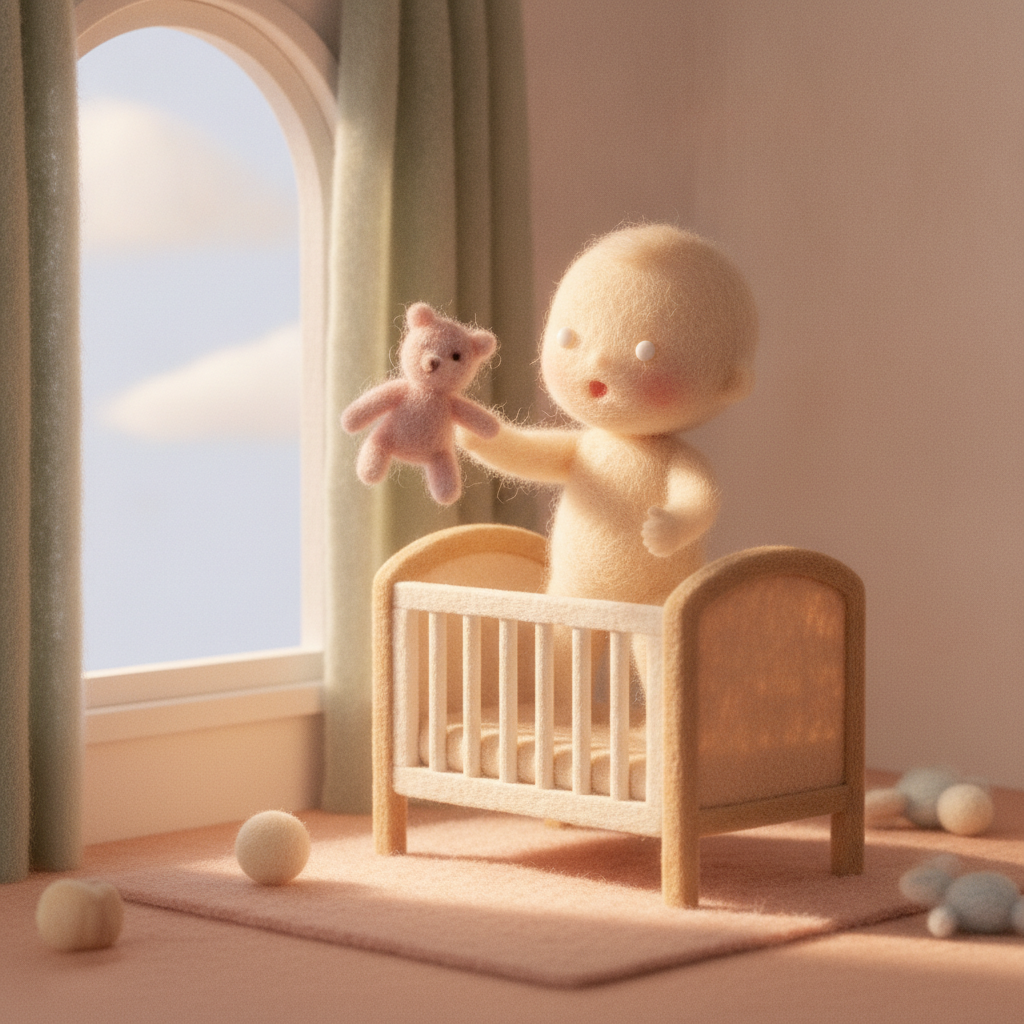
You are preparing for their first birthday. You have officially survived a year of parenting. You might even have a baby who sleeps straight through the night and takes two solid naps a day.
And then, seemingly overnight, they refuse their afternoon nap. They stand in the crib and scream when you leave the room at night. They wake up at 5:00 AM, ready to start the day.
Happy Birthday! You have hit the 12-month sleep regression.
While this regression is exhausting, it is a sign of massive neurological and physical leaps. Here is a breakdown of what is happening in your baby's brain and how to troubleshoot the disruption.
The Nap Refusal: Do Not Drop the Nap!
The most common symptom of the 12-month regression is a sudden, fierce refusal of the second nap.
Parents often assume this means the baby is ready to transition to a one-nap schedule. This is almost always a trap.
Biologically, the vast majority of 12-month-olds still need 2.5 to 3.5 hours of awake time between sleeps. If you drop the second nap, they will be awake from noon until 7 PM. This will lead to severe overtiredness, which triggers a massive adrenaline spike, causing them to wake up all night long.
- How to fix it: Hold your ground. Continue offering two naps a day for at least two weeks. Treat the crib as "quiet time." Even if they stand and babble for the entire hour, leave them there. Most babies will go back to taking two naps within a week or two. (The true transition to one nap usually happens between 14 and 18 months).
The Walking Milestone
Around their first birthday, many babies are taking their first independent steps, or are aggressively practicing walking while holding onto furniture.
Just like the rolling milestone at 6 months, their brain is obsessed with this new motor skill. They want to practice walking constantly, and lying still in a crib feels like a waste of time to their developing brain.
- How to fix it: Exhaust them physically during the day. Go to the park, let them push a walker toy, and give them maximum opportunities to use their legs. The more they practice during the day, the less the urge will strike at 3 AM.
A New Wave of Separation Anxiety
At 12 months, babies undergo a massive leap in cognitive development. They begin to understand sequence and routine.
They know that putting on pajamas and turning on the sound machine means you are about to leave them alone in the dark. Because they are more deeply attached to you than ever, this realization can trigger intense separation anxiety right at the start of the bedtime routine.
- How to fix it: Do not change your boundaries. If you bring them back out to the living room or let them sleep in your bed, you will quickly create a new, hard-to-break habit. Instead, offer extra connection before the routine starts. Spend 15 minutes of uninterrupted, phone-free floor time with them. During the bedtime routine, remain calm, confident, and boring. A quick, cheerful exit tells them that they are safe and you are not worried.
This regression usually lasts 1 to 3 weeks. It is a temporary glitch caused by the fact that your baby is rapidly transforming into a toddler. Stick to your routines, and sleep will return.